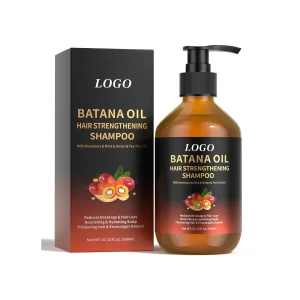
Hair Strengthening Care Manufacturer & Suppliers in Nepal

Premium OEM/ODM Biotech & Botanical Formulations Tailored for South Asian Environmental Stresses & Global Quality Mandates

24+

Years R&D Excellence

25K+ ㎡

Modern GMPC Factory Area

6000+

Validated Formulas

32+

Automated Production Lines

Analyzing the Hair Strengthening Industry in Nepal

A comprehensive examination of trichological demands, environmental stressors, and commercial development opportunities in South Asia.

1. Trichological Challenges: The Nepalese Climate & Water Matrix

Developing effective hair strengthening care for the Nepalese market requires an understanding of localized geographic and environmental variables. From the sub-tropical plains of the Terai to the high-altitude urban centers like Kathmandu and Pokhara, hair is subjected to distinct stressors:

  • High UV Index & Solar Radiation: High-altitude regions experience elevated ultraviolet radiation. UV rays degrade the disulfide bonds in hair keratin, causing dry, brittle strands and premature color fading.
  • Particulate Dust & Pollution: Rapid urbanization in the Kathmandu Valley has increased airborne dust and particulate matter (PM2.5). These micro-particles settle on the scalp, blocking follicles and generating oxidative stress that weakens the hair root.
  • Mineralized Water (Hard Water): Ground and municipal water in many parts of Nepal contains high concentrations of calcium and magnesium. Regular washing with hard water creates mineral buildup on the hair shaft, hindering moisture absorption and leading to chronic breakage.

Standard shampoos often fail to address these local factors. High-performance strengthening care must focus on chelation (to neutralize mineral buildup), antioxidant barriers (to block UV damage), and cuticular sealing (to lock in moisture under dry mountain conditions).

Scientific Insight on Hair Damage in Nepal

Hair fiber tensile strength is directly related to the integrity of the cortex's keratin structure. When exposed to hard water and UV radiation, the outer cuticle lifts, allowing proteins to leach out. Formulas enriched with hydrolyzed collagen, biotin, and micro-keratin are essential to fill these structural voids and restore hair elasticity.

2. The Rise of "Clean Botanical + Biotech" in Nepal

The Nepalese cosmetic market is undergoing a transition. Consumers are moving away from synthetic chemicals and looking for solutions that combine traditional herbal wisdom with modern bioscience. There is high demand for formulations featuring:

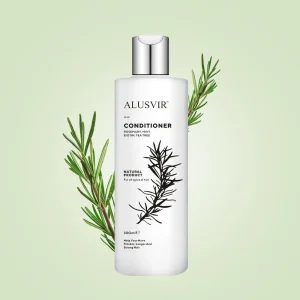
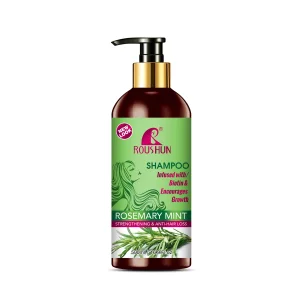
  • Rosemary and Mint Actives: Well-known for stimulating micro-circulation in the scalp to combat hair thinning caused by environmental stress.
  • Hydrolyzed Proteins (Keratin, Collagen): Plant-derived and marine proteins that rebuild damaged areas of the hair fiber.
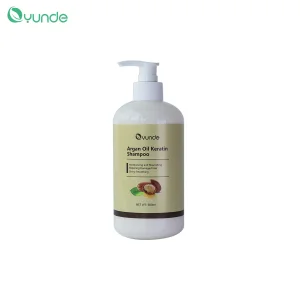
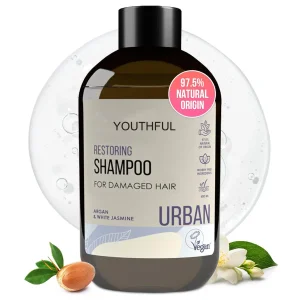
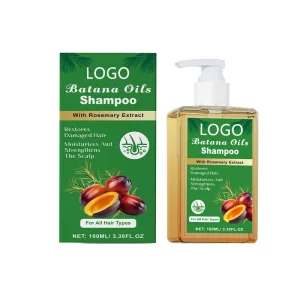
  • Exotic Oils (Argan, Batana): Rich in essential fatty acids that coat the hair shaft, providing protection against dry climates and dust.
DDA Nepal Compliant

All formulations and manufacturing standards align with Nepal's Department of Drug Administration regulatory requirements.

Cruelty-Free & Halal

Ethically manufactured formulas certified under Halal, ISO22716, and GMPC systems to suit diverse consumer demographics.

High Altitude Packaging

Custom bottles, caps, and seal materials engineered to withstand pressure fluctuations and prevent leaks during transit.

Shanghai Aura Beauty Co., Ltd.: Your Global Manufacturing Partner

With 24 years of specialization in collagen and biotech hair care, Shanghai Aura Beauty Co., Ltd. is a comprehensive cosmetic enterprise integrating research, development, high-capacity production, and global logistics.

Our manufacturing campus spans 25,000 square meters and is equipped with 32 automatic production lines. This scale ensures high efficiency, consistent quality, and scalable production for cosmetic brands, salon chains, and distributors in Nepal and across South Asia.

We operate under a strict quality management system, holding key international certifications: GMPC, ISO22716, BSCI, HALAL, CPNP, FDA, ISO9001, and ISO14001. These credentials verify that every batch we produce meets global standards for safety and performance.

Our dedicated R&D lab is staffed by over 40 experienced cosmetic chemists managing a library of more than 6,000 mature formulas. We collaborate with international research institutes to incorporate new technology, botanical extracts, and scalp-care science into our products.

Shanghai Aura Beauty Co., Ltd. Manufacturing Facility

Full-Service OEM/ODM/OBM Support

We provide end-to-end support for business owners, importers, and cosmetic brands in Nepal:

  • Custom Formulation: We modify active ingredient concentrations (e.g., boosting biotin, collagen, or adding local Nepalese botanical accents) to meet your specific target market needs.
  • Design & Packaging Sourcing: From eco-friendly PCR plastics and glass to high-end salon dispensers, our design team helps build a distinct brand identity.
  • Regulatory Documentation: We provide full COA (Certificate of Analysis), MSDS, stability data, and certification dossiers to simplify import registration with Nepal’s Department of Drug Administration.
Advanced R&D Laboratory and Quality Control

Technical Roadmap: Hair Strengthening Chemistry

How we design hair products that deliver measurable improvements in tensile strength and cuticular smoothness.

Disulfide Bond Protection

Formulated with acidic pH levels (4.5 - 5.5) to align with the hair's natural state. This helps close the cuticle scales, protecting the inner cortex from oxidative damage caused by sunlight and mineralized water.

Micro-Protein Infusion

Hydrolyzed collagen and keratin molecules are reduced to low molecular weights (under 1000 Daltons). This allows them to penetrate the hair shaft, filling structural gaps rather than just coating the surface.

Lipophilic Barrier Matrix

Natural oils like Argan, Batana, and Rosemary form a lightweight lipid barrier. This helps lock in essential moisture, shielding the hair from dry mountain air and preventing static electricity.

B2B Supply Chain & Customs Clearance to Nepal

Importing cosmetic products in volume requires a reliable shipping process. We have established logistics pathways to ensure smooth delivery from our production facilities to major trade hubs in Nepal, including Kathmandu, Lalitpur, Pokhara, Birgunj, and Bhairahawa.

Logistics & Shipping Framework

  • Sea-to-Land Route via Kolkata Port: Bulk ocean freight is shipped to Kolkata Port in India, then transported by rail or road to Nepal’s primary dry ports, such as the Birgunj Integrated Check Post (ICP).
  • Direct Overland Route: Shipments can also be routed overland via the Tatopani or Rasuwagadhi border crossings directly from China into Nepal.
  • Air Freight: For time-sensitive, high-value shipments (like scalp serums or concentrated oils), we offer direct air cargo delivery to Tribhuvan International Airport (KTM) in Kathmandu.

Regulatory Compliance & Import Requirements

We provide necessary documentation to support your compliance with Nepal's Department of Drug Administration (DDA):

  1. Certificate of Free Sale (CFS): Confirms the products are approved for sale in the manufacturing country.
  2. Ingredient Declaration & Lab analysis: Detailed quantitative breakdowns of all raw materials, certifying they are free from heavy metals, harmful bacteria, and prohibited chemicals.
  3. GMPC/ISO Certifications: Official manufacturing certificates required by Nepalese customs authorities to verify production quality.

Industrial & Salon Formulation Catalog

Standard and customizable formulations developed for professional salons, retail brands, and cosmetic distributors in Nepal.

Specialized Clinical & Organic Extensions

Frequently Asked Questions (B2B Procurement Guide)

Expert insights on regulatory registration, logistics, custom formulations, and minimum order requirements for importing to Nepal.

Q1: What is your Minimum Order Quantity (MOQ) for custom formulations shipped to Nepal?
Our standard MOQ for OEM/ODM private label hair care (such as shampoos, conditioners, and hair masks) is typically 5,000 units per formulation/bottle type. For customized formulations using premium ingredients (e.g., Batana Oil, specialized hydrolyzed collagen), MOQ requirements can be adjusted based on packaging availability.
Q2: How do you support B2B importers with registration at the Department of Drug Administration (DDA) in Nepal?
We provide a complete regulatory document package, including the Certificate of Free Sale (CFS), GMP Certificates, ISO22716 certification, Product Stability Test Reports, MSDS, and qualitative and quantitative ingredient lists. These documents help Nepalese importers secure the necessary import permits from the DDA.
Q3: Can your formulations protect hair against hard water minerals in urban Nepalese areas?
Yes. We formulate customized chelating shampoos and restorative masks containing natural citric chelators and hydrolyzed proteins. These ingredients target and bind to calcium, magnesium, and iron minerals found in hard water, allowing them to be washed away easily. This helps prevent hair dry-out and structural breakage.
Q4: What is the typical lead time from deposit payment to delivery in Kathmandu?
Production typically takes 25 to 30 days once packaging designs are approved and raw materials are prepared. Shipping time varies by route: ocean cargo to Kolkata and subsequent rail/road transit to Kathmandu takes approximately 20 to 30 days; direct overland transport through the Gyirong/Rasuwagadhi border takes about 10 to 15 days; and air cargo takes 5 to 7 days.
Q5: Can you develop customized packaging for high-altitude logistics?
Yes. Air pressure changes in high-altitude regions like Pokhara and Kathmandu can cause standard cosmetic containers to bloat or leak. We utilize thick-walled HDPE/PET bottles, secure inner caps, and foil heat-induction seals to ensure packaging remains stable throughout transport and retail distribution.