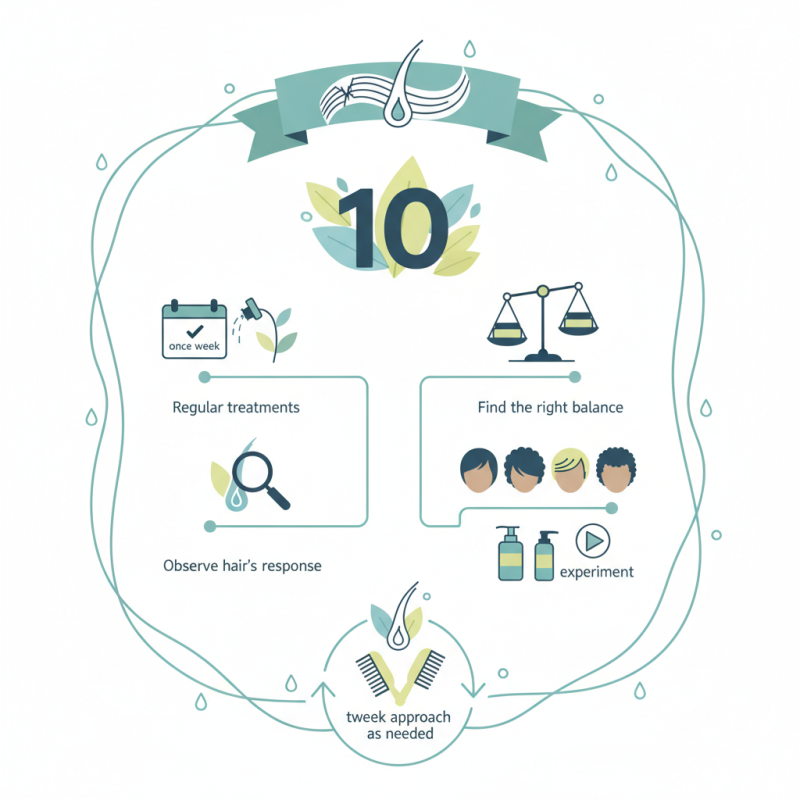
Damaged hair can be a source of frustration for many. Understanding how often should you treat damaged hair is crucial for effective recovery. Regular treatments can restore hair health, but the frequency matters. Over-treating can lead to further damage. Finding the right balance is key.
To rejuvenate your hair, consider the type and extent of the damage. For some, once a week is enough. Others may need more frequent treatments. Pay attention to how your hair responds. Each treatment should nourish and protect without overwhelming your strands. Developing a routine that suits your hair type will provide the best results.
Don’t hesitate to experiment. It’s vital to observe your hair's unique needs. Note that what works for one person may not work for another. Sometimes, simplifying your hair care routine can be just as effective. Embrace the process, and be willing to tweak your approach as needed.
Understanding Hair Damage: Causes and Effects
Hair damage can occur for various reasons. Heat styling, chemical treatments, and environmental factors are common culprits. Excessive heat can strip hair of moisture, leading to dryness and breakage. Chemical processes, like coloring and perming, can weaken the hair's structure. Environmental factors, such as sun exposure and pollution, can also contribute to the degradation of hair health.
The effects of damaged hair are visible in its texture and appearance. It may become brittle, frizzy, or dull. Split ends become more prevalent, and hair may feel rough to the touch. Regular treatment helps mitigate these effects. However, treatments can be tricky; over-treating can lead to buildup or further damage. Striking a balance is essential. Regular trims and hydrating masks can aid recovery, but frequency depends on individual hair condition. Reflecting on these factors enables better care and ultimately healthier hair.
Essential Hair Care Tips for Repairing Damaged Hair
Damaged hair can be a common problem for many. According to a study by the International Journal of Trichology, nearly 60% of individuals experience some form of hair damage. This often results from factors such as heat styling, chemical treatments, and environmental stressors. Repairing damaged hair requires a comprehensive approach to hair care.
One effective tip is to regularly use deep conditioners. These products penetrate the hair shaft, providing essential moisture and nutrients. Aim for a deep conditioning treatment once a week. Maintaining a balanced diet also plays a vital role in hair health. Incorporate protein-rich foods, such as eggs and nuts, into your meals to strengthen hair from the inside.
Another important tip is to avoid excessive washing. Washing hair too frequently strips natural oils, leading to further damage. Instead, limit washing to 2-3 times a week. For those who rely on heat tools, a heat protectant spray can significantly reduce damage. The Journal of Cosmetic Dermatology indicates that using such products can decrease temperature-induced damage by 30%. Taking these steps can help nurture and repair damaged hair effectively.
Frequency of Treatments: How Often Should You Treat Damaged Hair?
Treating damaged hair requires a thoughtful approach to frequency. Over-treatment can lead to further damage. Ideally, you should treat damaged hair once a week. This allows essential nutrients to repair the strands without overwhelming them.
Consider using a deep conditioning mask. Apply it liberally to damp hair, focusing on the ends. Leave it on for 20 to 30 minutes to let it penetrate effectively. For daily care, incorporate a lightweight leave-in conditioner. It protects and hydrates throughout the day.
Also, reflect on your styling habits. Using heat tools too often can exacerbate damage. If you can't avoid them, use a heat protectant. Opt for air drying when possible. This encourages healthier hair growth without excess heat exposure. Remember, it's all about striking a balance. Listen to your hair and adjust your routine as needed.
Top 10 Tips for Treating Damaged Hair
| Tip Number |
Tip |
Frequency of Treatment |
Recommended Duration |
| 1 |
Use a deep conditioning treatment |
Once a week |
30 minutes |
| 2 |
Apply hair oils |
2-3 times a week |
Overnight |
| 3 |
Limit heat styling |
As needed |
N/A |
| 4 |
Trim hair regularly |
Every 6-8 weeks |
N/A |
| 5 |
Use a wide-tooth comb |
Daily |
N/A |
| 6 |
Avoid chemical treatments |
As much as possible |
N/A |
| 7 |
Hydrate and nourish with masks |
Once every two weeks |
20 minutes |
| 8 |
Use sulfate-free shampoo |
Every wash |
N/A |
| 9 |
Protect hair from sun damage |
Daily |
N/A |
| 10 |
Eat a balanced diet |
Daily |
N/A |
Products and Ingredients to Look for in Hair Treatments
When treating damaged hair, choosing the right products is crucial. Look for treatments that contain nourishing ingredients like argan oil. It's known for its hydrating properties and can help restore shine. Proteins such as keratin can also be beneficial for strengthening hair strands. These ingredients work together to repair damage and improve overall health.
Avoid products with harsh chemicals, as they can worsen the condition of your hair. Sulfates and parabens are common culprits. Instead, opt for gentle, sulfate-free shampoos and conditioners. Natural ingredients, like aloe vera and shea butter, are gentler and provide moisture. They calm frizz and protect against future damage.
Consider using a deep-conditioning mask once a week. This allows for intense hydration, giving your hair a break from heat and styling. Remember, not all treatments work the same for everyone. It may take time to find what suits your hair type. Patience is key in this journey to recovery.
Creating a Customized Hair Care Routine for Optimal Recovery
Establishing a customized hair care routine is vital for damaged hair recovery. Each individual’s hair needs can differ greatly. Tailoring your routine based on specific hair type and damage level can lead to better results. It may require some trial and error to find what works best.
One tip is to assess your hair's condition regularly. Look for signs such as dryness or brittleness. Adjust your products accordingly. Use nourishing masks and gentle shampoos. Regularly trimming split ends also aids recovery. Schedule trims every six to eight weeks.
Another important aspect is how often to treat your hair. Hair masks can be applied once a week, while conditioning treatments may be needed more frequently. Don’t hesitate to give your hair a break from heat styling. Intentionally reducing heat exposure lets your hair breathe and recover. Creating this balanced routine may not be perfect, yet it’s a step toward healthier hair. Focus on consistency and observation for optimal results.
FAQS
: Hair damage can result from heat styling, chemical treatments, and environmental factors like pollution.
Damaged hair may appear dull, frizzy, and brittle. It can also feel rough, and split ends become common.
Ideally, treat damaged hair once a week for optimal recovery without overloading it.
Deep conditioning masks are effective. Apply them to damp hair and leave for 20 to 30 minutes.
Use heat protectants and air dry whenever possible. This avoids additional damage from styling tools.
Assess your hair's condition regularly. Tailor products and treatments based on specific needs and damage level.
It may require some trial and error. Reflect on your products and adjust your routine as necessary.
Listen to your hair. If it feels dry or damaged, you might need to adjust treatment frequency or products.
Yes, trimming split ends every six to eight weeks aids in recovery and prevents further damage.
It's best to prioritize once a week. Over-treating may lead to buildup and more damage.
Conclusion
Treating damaged hair requires a comprehensive understanding of its causes and effects, ranging from environmental factors to excessive styling. Essential hair care tips include minimizing heat exposure, using protective hairstyles, and regularly moisturizing. A crucial aspect of hair care is determining how often should you treat damaged hair; experts generally recommend treatments once a week, adjusting based on the severity of the damage and individual hair types.
In addition to frequency, selecting the right products and ingredients is vital for effective recovery. Look for treatments that contain nourishing elements such as proteins, vitamins, and natural oils. Finally, creating a customized hair care routine tailored to your specific needs can significantly enhance the healing process and restore your hair's health and vitality over time.

 Aura Beauty