In recent years, the demand for skin whitening serums has surged. According to a market research report, the global skin lightening products market is projected to reach USD 24.5 billion by 2029. The popularity of these products is driven by a desire for even skin tone and reduced pigmentation. However, the efficacy of skin whitening serum varies significantly among brands.
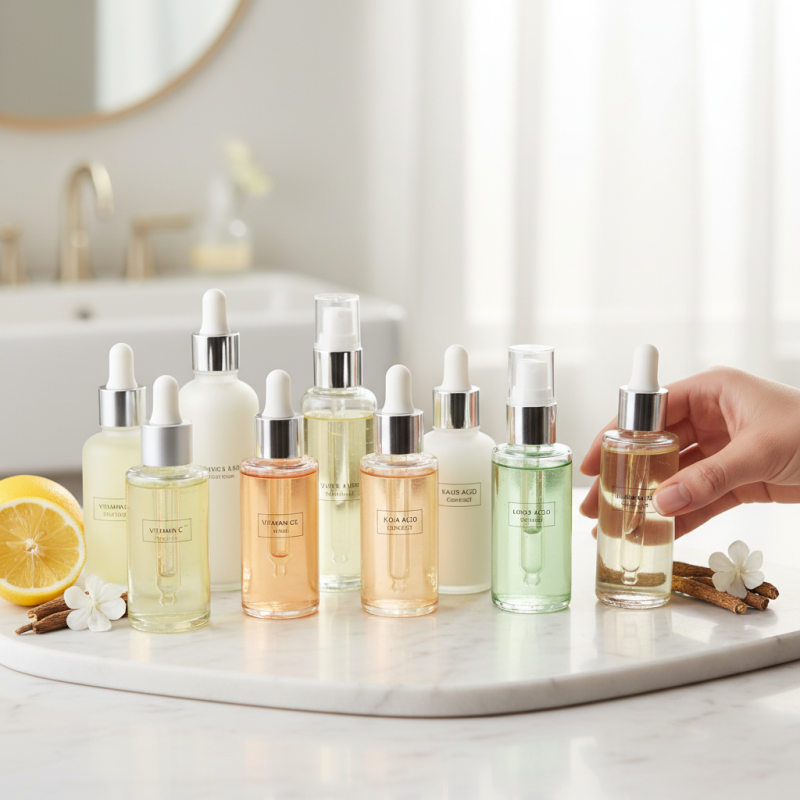
Consumers often seek serums that promise bright, flawless skin. Ingredients such as vitamin C, kojic acid, and licorice extract are popular for their skin-lightening properties. Emotional and psychological factors also play a role in this trend. The pressure to conform to beauty standards can lead to overuse of these products, sometimes resulting in skin damage.
While many serums claim remarkable results, not all deliver on their promises. Some may cause irritation or worsen skin conditions. It’s crucial for users to research ingredients and possible side effects. Understanding the right product for individual skin types can lead to better outcomes. This journey toward brighter skin requires careful consideration and reflection on personal choices.
Understanding Skin Whitening Serums: An Overview
Skin whitening serums have gained significant popularity in recent years. According to a report by the Market Research Future, the global skin whitening market is expected to reach $8.9 billion by 2027. This surge is attributed to a growing demand for brighter skin and even skin tone. Many consumers believe that lighter skin is linked to beauty and success. This perception exists across various cultures.
However, understanding these serums is crucial. Many formulations contain active ingredients like hydroquinone, kojic acid, and vitamin C. These agents work to inhibit melanin production in the skin. Despite their popularity, some ingredients may raise concerns. For example, prolonged use of certain agents can lead to side effects like skin irritation or increased sensitivity. This is a critical aspect that potential users often overlook.
Moreover, not all products deliver effective results. A study published in the Journal of Cosmetic Dermatology found that about 30% of over-the-counter products were ineffective. Users should approach these serums with caution. It's essential to conduct a patch test first. This helps to identify any adverse reactions. Awareness and informed choices can lead to healthier skin care practices.
Key Ingredients to Look for in Skin Whitening Serums
When selecting a skin whitening serum, the key ingredients play a crucial role. Look for vitamin C, known for its brightening properties. It reduces dark spots and evens skin tone. Niacinamide is also effective; it can lighten pigmentation and enhance skin brightness. Arbutin helps inhibit melanin production, making your skin look more radiant.
Some serums contain natural extracts like licorice and mulberry. These ingredients are gentle yet powerful. They can lighten dark areas without irritation. Another important ingredient is alpha arbutin, which is a more stable form of arbutin. It provides similar benefits while being less likely to cause sensitivity.
Tips: Always patch-test new products. This step ensures your skin won’t react negatively. Choose serums with stable formulations to maximize results. Remember, results take time. Consistency is key, so don’t expect overnight changes. It can be frustrating, but patience is essential. Adjust your routine based on how your skin responds.
Top 10 Skin Whitening Serums for Radiant Complexion
Achieving a radiant complexion requires more than just good skincare habits. The right serums play a pivotal role in brightening the skin. According to a 2022 market research report by Grand View Research, the global skin whitening products market was valued at over $8 billion. This indicates a rising demand for effective solutions among consumers.
When considering serums, look for key ingredients like vitamin C, niacinamide, and licorice extract. These compounds are widely recognized for their abilities to inhibit melanin production, leading to a more luminous appearance. A study in the Journal of Dermatological Treatment noted that 67% of participants reported noticeable skin brightening after using serums with these ingredients consistently over eight weeks.
However, not all products deliver promising results. Some may irritate sensitive skin or lead to adverse reactions, emphasizing the need for a patch test. Users often face a journey of trial and error. In fact, a 2021 survey found that around 40% of consumers didn’t see immediate results, prompting them to reconsider their choices. This highlights the importance of patience in the pursuit of brighter skin.
Top 10 Skin Whitening Serums for Brighter Skin
| No. |
Ingredient |
Key Benefit |
Best For |
Price |
| 1 |
Vitamin C |
Brightening and Anti-Aging |
Dull Skin |
$25 |
| 2 |
Niacinamide |
Reduces Hyperpigmentation |
Sensitive Skin |
$30 |
| 3 |
Kojic Acid |
Lightens Dark Spots |
Acne Scars |
$20 |
| 4 |
Arbutin |
Natural Skin Lightener |
All Skin Types |
$28 |
| 5 |
Licorice Extract |
Soothes and Brightens |
Irritated Skin |
$32 |
| 6 |
Mulberry Extract |
Reduces Melanin Production |
Hyperpigmentation |
$22 |
| 7 |
Salicylic Acid |
Exfoliates and Brightens |
Oily Skin |
$27 |
| 8 |
Peptides |
Promotes Even Skin Tone |
Aging Skin |
$35 |
| 9 |
Glycolic Acid |
Exfoliating Brightener |
Sun-Damaged Skin |
$26 |
| 10 |
Hyaluronic Acid |
Hydrates and Plumps |
Dry Skin |
$30 |
How to Choose the Right Skin Whitening Serum for Your Skin Type
Choosing the right skin whitening serum can be daunting. Different skin types have unique needs. For oily skin, look for lightweight serums. Ingredients like salicylic acid can help control oil and brighten skin. Avoid heavy creams that clog pores.
If you have dry skin, opt for serums rich in hydration. Ingredients such as hyaluronic acid can provide moisture while offering brightening benefits. Consider formulas that are free of alcohol to prevent further dryness.
Sensitive skin requires special attention. Look for serums with soothing ingredients like chamomile or aloe vera. Always perform a patch test before using a new product. Remember, not every serum works for everyone. Overuse of products can lead to irritation. Balance is key.
Top 10 Skin Whitening Serums for Brighter Skin
This chart represents the effectiveness ratings of the top 10 skin whitening serums based on user feedback. Each serum is rated on a scale from 1 to 10, indicating its effectiveness in promoting brighter skin.
Application Tips for Maximizing Results from Skin Whitening Serums
When using skin whitening serums, the application technique plays a vital role in achieving visible results. Start with a clean face. Gently cleanse your skin to remove impurities and prepare it for better absorption. A cotton pad can help you apply the serum evenly, but your fingers work just as well. Patting it in allows for deeper penetration. Remember, less is often more; a few drops are sufficient.
Timing is crucial for effectiveness. Apply the serum during your nighttime routine. This allows your skin to repair and regenerate while you sleep. Also, use the serum consistently for several weeks. It’s easy to become impatient and expect quick results, but improvement takes time. On some days, you may not notice any change. Reflect on your progress and adjust your routine if necessary. If you experience irritation, consider reducing the frequency of use.
Layering products can enhance results. After the serum, follow with a moisturizer to lock in hydration. Consider a sunscreen during the day to protect your skin from further damage. Your skin needs care from all angles. Remember, the journey to brighter skin is ongoing. Embrace every small win and learn from setbacks.
Conclusion
Skin whitening serums have gained popularity for their ability to create a brighter and more even complexion. Understanding these products is crucial for selecting the right one for your needs. Key ingredients to look for include vitamin C, niacinamide, and licorice extract, which are known for their skin-lightening properties.
When choosing a skin whitening serum, consider your skin type and any specific concerns you may have. It's also important to follow application tips to maximize the effectiveness of the serum, such as using it consistently and pairing it with sunscreen to protect your skin from UV damage. By understanding these elements, you can find the ideal skin whitening serum to achieve the radiant skin you desire.

 Aura Beauty