Top 10 Causes of Skin Sensitivity and Irritation Explained

Time:2026-06-13 Author:Isabella
0%

Skin sensitivity and irritation can be quite troublesome for many individuals. Understanding what causes skin sensitivity and irritation is essential for effective management. Various elements in our environment can trigger these reactions.

Common factors include harsh skincare products and allergens. Chemical irritants in cosmetics can lead to redness and discomfort. Additionally, environmental changes such as temperature fluctuations might worsen skin reactions. Certain fabrics can also exacerbate sensitivity.

Lifestyle choices play a significant role too. Stress and diet can influence skin health. Reflecting on our habits can help us identify triggers. Seeking expert advice ensures we make informed choices. Overall, awareness can empower us to take better care of our skin.
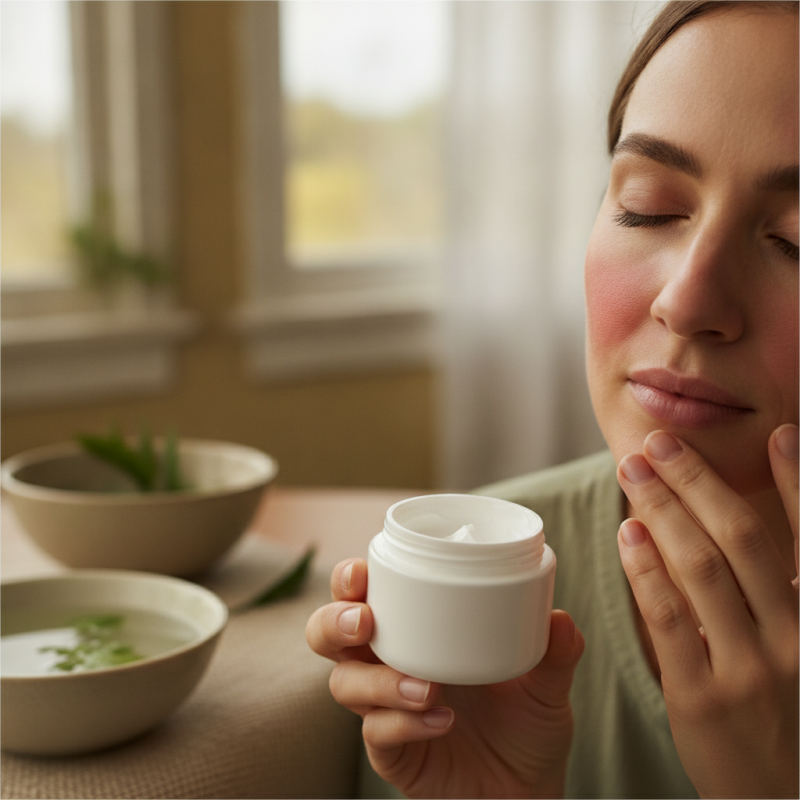
Top 10 Causes of Skin Sensitivity and Irritation Explained

Understanding Skin Sensitivity: A Comprehensive Overview

Skin sensitivity can deeply affect daily life. Understanding its causes is crucial for effective management. Common triggers include environmental factors like harsh weather and pollution. These elements can cause immediate irritation or long-term sensitivity. In many cases, excessive sun exposure leads to redness and discomfort. Proper skin protection is essential.

Another major factor is the use of certain skincare products. Ingredients such as alcohol, fragrances, and dyes can irritate sensitive skin. People often overlook the importance of patch testing new products. This small step can prevent larger issues later. Moreover, stress plays a significant role in skin health. Psychological factors can exacerbate existing conditions. Recognizing your triggers is a vital part of self-care.

Diet can also influence skin sensitivity. Foods high in sugar and processed ingredients may worsen symptoms. However, incorporating vitamins and antioxidants can improve skin health. It's not always easy to identify these connections. Keeping a journal of your skin's reactions might provide clearer insights. Many individuals find that small lifestyle changes lead to significant improvements.

Common Irritants That Trigger Skin Sensitivity

Skin sensitivity can be a significant issue for many. Common irritants often trigger reactions. Fragrances found in products can cause irritation. Many people may not realize their favorite lotion could be the culprit. These scents may mask other ingredients, concealing potential allergens.

Another common irritant is certain fabrics. Synthetic materials can trap moisture and heat, leading to discomfort. Cotton, while breathable, may also retain detergent residues that irritate the skin. People with sensitive skin might notice redness after wearing certain clothing. It’s vital to pay attention to how different fabrics affect your skin.

Environmental factors also play a role. Pollution and harsh weather conditions can aggravate sensitive skin. Sun exposure without protection may cause irritation. Additionally, contact with household cleaners can lead to rashes or dryness. Awareness of these triggers can improve skin comfort and overall health. It's essential to listen to your body and adjust habits accordingly.

The Role of Allergens in Skin Irritation

Skin sensitivity can often be traced back to allergens. These irritants trigger reactions that vary from mild redness to intense itching. Common allergens include pollen, pet dander, and certain foods. It's essential to know your triggers. Some may cause immediate reactions, while others could take time to manifest.


Understanding how these allergens affect your skin is crucial. They can disrupt the skin barrier, leading to dryness and irritation. In some cases, even seemingly harmless substances like fragrance can provoke responses. Environmental factors, including pollution, can also worsen sensitivity. Adapting a cautious approach helps minimize exposure.


Monitoring your environment and products is necessary for managing skin issues. Keeping a diary might help in recognizing patterns. Learning to identify the allergens at play is a step towards finding relief. Consulting with a dermatologist can provide tailored solutions. Awareness and proactive measures contribute significantly to healthier skin.

Environmental Factors Contributing to Skin Sensitivity

Environmental factors play a significant role in skin sensitivity and irritation. According to a study published in the Journal of Investigative Dermatology, nearly 50% of individuals report increased skin sensitivity due to environmental irritants. Pollution, for example, can have detrimental effects on the skin barrier, causing redness and inflammation. Exposure to particulate matter and toxins can lead to oxidative stress, further aggravating sensitive skin.

Climate conditions also contribute to irritation. A report from the American Academy of Dermatology highlights that changes in temperature and humidity can disrupt skin homeostasis. Winter months can leave skin dry and more prone to irritation. Conversely, high humidity can increase sweat production, leading to clogged pores and breakouts. Furthermore, common habits such as frequent handwashing have been linked to skin sensitivity, particularly when using alcohol-based sanitizers.

Other environmental triggers include UV radiation and household chemicals. The World Health Organization suggests that 90% of skin aging is due to UV exposure. These irritants can compromise the skin barrier and enhance sensitivity over time. Individuals often overlook how these factors affect their skin health, necessitating a reevaluation of daily routines to mitigate irritation.

Top 10 Causes of Skin Sensitivity and Irritation Explained

Cause Description Environmental Factor Prevention Tips
Allergies A sensitivity to substances like pollen, dust mites, or pet dander. High pollen counts, humidity levels Use air purifiers and keep windows closed during high pollen seasons.
Harsh Weather Extreme temperatures can dry out or irritate the skin. Cold winds, intense sunlight Wear protective clothing and apply moisturizer regularly.
Pollution Chemicals and toxins in the air can lead to skin reactions. Urban areas, industrial emissions Cleanse your skin thoroughly after being outdoors.
Skin Care Products Certain ingredients can cause irritations or allergic reactions. Harsh chemicals, fragrances Choose products labeled as hypoallergenic or fragrance-free.
Food Sensitivities Certain foods can cause skin reactions in sensitive individuals. Processed foods, allergens Keep a food diary to identify triggers and avoid them.
Stress Emotional and mental stress can exacerbate skin conditions. High-pressure environments Practice relaxation techniques such as yoga and meditation.
Humidity Levels Too much or too little humidity can affect skin moisture. Dry climates, humid environments Use humidifiers in dry areas and moisturizers in humid conditions.
Microbial Infections Bacteria or fungi can cause skin irritations or infections. Poor hygiene, crowded environments Maintain good hygiene and avoid close contact with infected individuals.
Hormonal Changes Hormones can affect skin sensitivity and cause fluctuations. Menstrual cycles, pregnancy Stay hydrated and maintain a balanced diet to combat changes.

Impact of Lifestyle Choices on Skin Health

Lifestyle choices significantly influence skin health. Poor diet, for example, can lead to increased sensitivity. A study published in the Journal of Investigative Dermatology reported that diets high in sugar and processed foods exacerbate inflammation. This inflammation can manifest as redness, irritation, or a rash. Moreover, dehydration is often overlooked. Without adequate water intake, skin loses its natural barrier function.

Environmental factors also play a critical role in skin sensitivity. Exposure to pollution can damage skin cells. The American Academy of Dermatology emphasizes that pollutants can disrupt the skin's protective layer, leading to increased irritation. Even stress impacts skin health. Cortisol, a stress hormone, can trigger various skin issues, including eczema flares and acne.

Daily habits contribute to skin conditions too. Sleep deprivation not only affects appearance but also the skin's ability to repair itself overnight. A 2020 study found that people with chronic sleep issues often experience heightened sensitivity. It is essential to take a reflective approach. Are lifestyle habits undermining your skin's health? Small changes can lead to significant improvements.

FAQS

: What are common allergens that can irritate skin?

: Common allergens include pollen, pet dander, and certain foods. They can trigger various reactions.

How do allergens affect the skin?

Allergens can disrupt the skin barrier, causing dryness and irritation. Some may lead to redness or itching.

Can environmental factors worsen skin sensitivity?

Yes, pollution and other irritants can harm the skin barrier, leading to inflammation and irritation.

How does climate impact skin sensitivity?

Changes in temperature and humidity can disrupt skin balance. Dry, cold air can exacerbate skin problems.

What habits can contribute to skin irritation?

Frequent handwashing with alcohol-based sanitizers can increase skin sensitivity and irritation over time.

Is UV radiation harmful to the skin?

Yes, UV exposure is a major cause of skin aging and can degrade the skin barrier, increasing sensitivity.

How can one manage skin sensitivity effectively?

Monitoring your environment and products helps. Keeping a diary can identify potential allergens and triggers.

When should I consult a dermatologist?

If skin reactions persist or worsen, consulting a dermatologist can provide tailored solutions for your skin issues.

Why is awareness of allergens important?

Being aware of allergens helps in minimizing exposure and finding relief from skin irritation.

Can seemingly harmless substances irritate the skin?

Yes, even mild fragrances can provoke skin responses in sensitive individuals, highlighting the need for caution.

Conclusion

Skin sensitivity and irritation can significantly affect an individual's quality of life, leading to discomfort and distress. Understanding what causes skin sensitivity and irritation is essential for effective management. Common irritants such as harsh chemicals, friction, and extreme weather conditions often trigger these reactions. Additionally, allergens from various sources, including certain foods and pollens, can exacerbate skin issues.

Environmental factors, such as pollution and UV exposure, further contribute to skin sensitivity, while lifestyle choices like diet, stress, and skincare routines play a crucial role in overall skin health. By recognizing these various components, individuals can make informed decisions to minimize skin irritation and enhance their skin's resilience.

Isabella

Isabella

Isabella is a dedicated marketing professional with a sharp focus on driving brand growth and engagement through strategic content creation. With an extensive background in digital marketing, she combines her passion for storytelling with her keen understanding of industry trends to deliver......