In 2026, stress continues to emerge as a significant factor affecting skin health. Many people wonder, "why does stress affect skin condition?" This relationship is complex and multifaceted. Stress triggers hormonal changes in the body, leading to inflammation and skin issues like acne and eczema.
Understanding this connection is essential for maintaining healthy skin in a stressful world. High levels of stress can disrupt skin barrier function, leaving it vulnerable to irritants. Many individuals may notice increased sensitivity or breakouts during high-pressure times, highlighting the need for stress management techniques.
The journey of caring for your skin must consider emotional well-being. While some might overlook it, recognizing the impact of stress can empower better skin care choices. Taking small steps toward stress relief can pave the way for healthier skin. Reflection on personal stressors is vital, as these insights lead to greater self-awareness and improved skin health.
Impact of Stress on Skin Health in 2026
Stress can significantly impact skin health, particularly in 2026. Many people report skin issues during stressful times. The connection between stress and skin conditions is well-documented. Stress triggers hormone release, which can lead to various skin problems. Acne, eczema, and psoriasis symptoms often worsen during stressful periods.
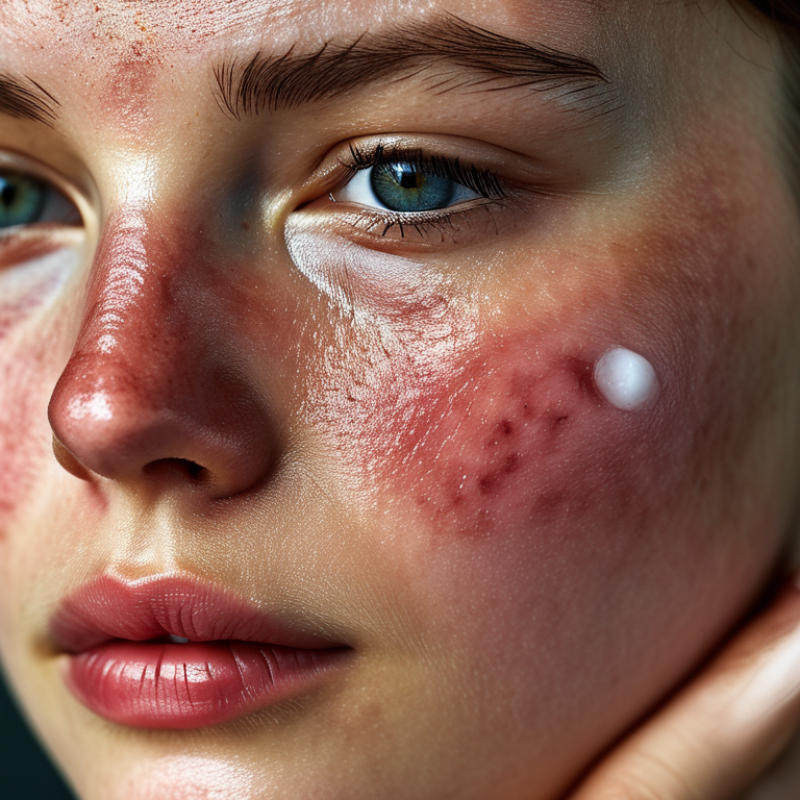
Visibly, stress can cause inflammation. This may lead to redness and irritation on the skin. Many individuals notice these changes after a challenging week. It’s a reminder that mental health and skin health are intertwined. Regular stress management techniques can help mitigate these effects. Yoga, meditation, and simple breathing exercises can reduce stress levels.
Moreover, the skin's healing process may slow down under stress. Cuts and blemishes can take longer to heal. This delayed recovery is frustrating for many. Acknowledging this relationship between stress and skin is crucial. It encourages people to prioritize both mental and skin health, raising awareness of self-care practices.
Psychological Mechanisms Linking Stress and Skin Issues
Stress has a profound impact on our skin. When we experience stress, our body produces cortisol, a hormone that can aggravate skin issues. This can lead to inflammation, acne, and premature aging. The connection between psychological stress and skin conditions is more than just physical. It involves complex psychological mechanisms that intertwine our emotional state with our skin's health.
When we stress, we often neglect self-care routines. Skipping hydration or proper skincare can exacerbate existing conditions. We may also notice increased sensitivity and redness on our skin. The mind-skin connection is evident; anxiety can trigger flare-ups. Many people overlook this link, focusing only on external treatments. A deeper understanding requires introspection and awareness of emotional triggers.
In 2026, awareness of these mechanisms is crucial. Educating ourselves about stress management can help protect our skin. Mindfulness and relaxation techniques can significantly improve our skin's condition. By addressing stress holistically, we support both mental health and skin health. It’s important to remember that healing is a journey, one requiring patience and care.
Impact of Stress on Skin Conditions in 2026
This chart illustrates the severity index of various skin conditions affected by stress in 2026. Higher scores indicate greater severity of skin issues such as acne and eczema that are linked to stress levels.
Common Skin Conditions Exacerbated by Stress
Stress can have a profound impact on the skin. Common skin conditions often worsen during times of high stress. Conditions like acne, eczema, and psoriasis are particularly sensitive to stress levels. When you are stressed, your body releases cortisol. This hormone leads to increased oil production, resulting in clogged pores and breakouts.
Eczema flares can also be triggered by stress. The skin may become red and itchy, causing discomfort. Stress can disturb the skin's barrier function, making it more vulnerable to irritants. Psoriasis, which is an autoimmune condition, can see increased plaque formation when an individual experiences stress. The cycle of stress and skin issues can feel overwhelming.
Even if we know these effects, it’s hard to manage stress effectively. Life doesn't always allow for calmness. Some days, simply taking a moment feels impossible. Mindfulness practices can help, but consistency is key. It's vital to recognize how stress manifests in our bodies. Listening to your skin can lead to better management strategies.
Preventive Measures for Stress-Induced Skin Problems
Stress has a profound impact on skin health, and experts are increasingly recognizing this connection. According to a 2023 report from the American Academy of Dermatology, nearly 70% of dermatologists have noticed a rise in stress-related skin conditions. Issues such as acne, eczema, and psoriasis often flare up during stressful periods. The body's hormonal response to stress can exacerbate inflammation, leading to skin problems.
Preventive measures can be effective in managing stress-induced skin issues. Regular skincare routines with nourishing products are crucial. Ingredients like hyaluronic acid and ceramides help retain moisture and soothe irritated skin. Mindfulness practices, such as meditation and yoga, show promise in lowering stress. A study found that yoga can decrease cortisol levels by up to 25%.
Additionally, maintaining a balanced diet can support skin health. Foods rich in antioxidants, like berries and leafy greens, can combat oxidative stress. Staying hydrated is equally essential, as dehydration worsens skin conditions. Tracking stressors helps identify triggers, empowering individuals to take control of their skin health. Understanding the link between stress and skin is vital for better management.
Future Research Directions on Stress and Dermatological Effects
Stress significantly impacts skin health. In 2026, researchers focus on understanding this connection. Studies indicate stress triggers inflammatory skin conditions. Data shows that over 60% of individuals with acne report high stress levels. The dermatological effects of stress are profound and multifaceted.
Future research aims to explore biological pathways linking stress and skin conditions. Cortisol, a stress hormone, may disrupt skin barrier function. Enhanced inflammation can worsen conditions like psoriasis and eczema. Ongoing studies prioritize mental health approaches alongside traditional treatments. Adopting stress management techniques could be pivotal for skin health.
Tips: Practice mindfulness daily. Deep breathing can lower cortisol levels. Incorporate skin-friendly foods into your diet. Aim for a balanced routine to reduce stress's impact on your skin. Use social support networks for emotional well-being. Embrace imperfections, as they are part of the healing journey.
How Does Stress Affect Your Skin Condition in 2026? - Future Research Directions on Stress and Dermatological Effects
| Skin Condition |
Stress Impact (%) |
Possible Symptoms |
Future Research Directions |
| Acne |
70% |
Breakouts, Inflammation |
Investigating hormonal responses to stress |
| Eczema |
65% |
Redness, Itching, Scaling |
Understanding immune system modulation |
| Psoriasis |
50% |
Thickened Patches, Pain |
Exploring psychological triggers for flare-ups |
| Skin Aging |
80% |
Wrinkles, Loss of Elasticity |
Examining the impact of stress on skin elasticity |
| Rosacea |
60% |
Flushing, Visible Blood Vessels |
Studying emotional triggers and flare prevention |
FAQS
: Stress can worsen skin conditions like acne, eczema, and psoriasis. Cortisol increases oil production, leading to breakouts.
Common conditions include acne, eczema, and psoriasis. Stress can trigger flares and worsen symptoms.
Yes, managing stress can improve skin health. Mindfulness practices and regular routines are important.
Meditation and yoga can lower cortisol levels. These practices can help your skin feel better.
Staying hydrated is essential. Dehydration can worsen skin conditions, making hydration a key factor.
Use nourishing products with hyaluronic acid and ceramides. They help retain moisture and soothe irritation.
Yes, a balanced diet rich in antioxidants supports skin health. Foods like berries and leafy greens are beneficial.
It's okay to struggle. Acknowledging stress is a step. Track your stressors to better manage skin reactions.
If issues persist, consider seeking professional advice. Sometimes more guidance is necessary for effective management.
Conclusion
In 2026, the intricate relationship between stress and skin health has garnered significant attention, prompting an exploration of why does stress affect skin condition. Stress triggers various psychological mechanisms that can lead to skin problems, including inflammation and hormonal fluctuations. These biological responses often result in common skin conditions such as acne, eczema, and psoriasis being exacerbated.
To mitigate stress-induced skin issues, preventive measures such as mindfulness practices, proper skincare routines, and stress management techniques are essential. Furthermore, future research is poised to delve deeper into the dermatological effects of stress, aiming to uncover innovative solutions to enhance skin health and overall well-being. Understanding this dynamic not only aids in treating existing conditions but also emphasizes the importance of mental health in maintaining healthy skin.

 Aura Beauty