Strengthening your skin barrier is essential for overall skin health. Experts emphasize this hardly discussed aspect of skincare. Dr. Lisa Chipps, a renowned dermatologist, notes, "A robust skin barrier is vital for preventing moisture loss and shielding against irritants." Her insight highlights the importance of understanding how to strengthen the skin barrier effectively.
Our skin acts as a protective shield against environmental stressors. However, many people overlook the fragility of this barrier. Factors like pollution, harsh skincare products, and even stress can weaken it. This results in issues such as dryness and sensitivity. Recognizing the signs of a compromised barrier is the first step towards healing.
Implementing simple yet effective strategies can have a transformative impact. Incorporating hydrating ingredients into your routine is crucial. Moreover, reducing the use of harsh exfoliants may help maintain its integrity. It’s a journey that requires patience and consistent effort. Reflect on your current habits and consider adjustments that can enhance your skin’s resilience.
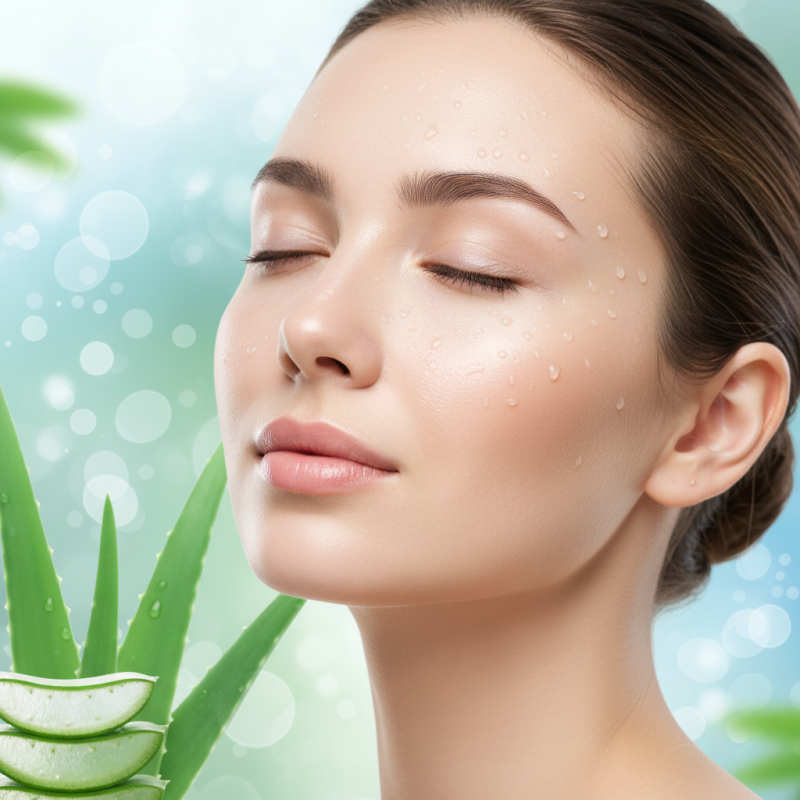
The skin barrier is the body's first line of defense. It protects against environmental aggressors, allergens, and pathogens. This barrier is crucial for maintaining skin hydration and overall health. A compromised skin barrier can lead to dryness, irritation, and even infections. Many factors impact its integrity, including pollution, UV exposure, and stress.
Understanding how to nurture this barrier is essential. A balanced diet rich in antioxidants supports skin health from within. Drinking plenty of water aids hydration. Additionally, using gentle skincare products without harsh chemicals is vital. Awareness of how skin reacts to different ingredients can elevate your skincare routine. It’s a learning journey that often requires trial and error.
Remember, everyone’s skin is unique. What works for one person may not work for another. Pay attention to the signs your skin gives you. It may take time to identify factors that harm or help your barrier. Embrace this process, and be open to adjustments along the way.
The skin barrier plays a crucial role in overall health. Several common factors can weaken it. Environmental pollutants, harsh weather, and over-exfoliation can lead to increased sensitivity. Skincare products with strong ingredients may strip natural oils. Stress and poor diet can also contribute.
Tips: Always choose mild cleansers. Look for hydrating ingredients like hyaluronic acid to replenish moisture. Avoid abrasive scrubs. Ensure your skincare routine is gentle to prevent damage.
Sun exposure can severely compromise the skin barrier. Ultraviolet rays break down collagen and elastin. This results in premature aging and increased dryness. Wearing sunscreen daily is essential for protection.
Tips: Use broad-spectrum SPF. Reapply every two hours, especially when outdoors. Stay hydrated to maintain skin elasticity. A balanced diet rich in antioxidants aids resilience against environmental stressors.
A strong skin barrier is essential for overall skin health. Incorporating the right ingredients can make a significant difference. Key ingredients to look for include ceramides, fatty acids, and antioxidants. These compounds help repair and protect the skin. They enhance moisture retention and shield against irritants.
Tips: Always read product labels. Not all formulations are created equal. Choose products with a higher concentration of active ingredients. Stay hydrated and maintain a balanced diet to support skin health from within.
Also, remember that not every ingredient works for everyone. Experimentation may be necessary to find what suits your skin type. Be patient; it can take time to observe visible changes. Testing on a small area before full application can prevent adverse reactions.
| Ingredient | Benefits | Recommended Usage | Skin Type |
|---|---|---|---|
| Ceramides | Restores skin barrier, retains moisture | Use in creams or serums | All skin types |
| Fatty Acids | Enhances barrier function, anti-inflammatory | Incorporate in oils or moisturizers | Dry and sensitive skin |
| Hyaluronic Acid | Boosts hydration, plumps skin | Apply as a serum before moisturizer | All skin types |
| Niacinamide | Improves skin texture, reduces redness | Use in serums or moisturizers | All skin types |
| Squalane | Locks in moisture, softens skin | Use as a facial oil or in creams | All skin types, especially dry |
To maintain a healthy skin barrier, it is essential to adopt daily habits that provide consistent support and protection. Research indicates that over 30% of people suffer from skin barrier dysfunction, which can lead to irritation and dryness. One effective practice is to keep skin hydration levels high. Using a gentle, hydrating cleanser can help, as harsh soaps often strip natural oils. In fact, a study found that cleansing with mild products reduces transepidermal water loss by up to 25%.
Another important habit is boosting your skin's lipid levels. Including products with ceramides in your routine can significantly aid in restoring the barrier. A recent survey showed that 70% of dermatologists recommend ceramides for patients with compromised skin barriers. These ingredients act like glue that holds skin cells together. Moreover, incorporating foods rich in omega-3 fatty acids can also provide internal support. Fatty fish or flaxseeds can boost skin health from within, making your barrier stronger.
Sun protection is non-negotiable. Daily application of broad-spectrum sunscreen minimizes damage from UV rays. A troubling statistic reveals that skin cancers caused by UV exposure are on the rise in young adults. Furthermore, avoid excessive exfoliation, which may create micro-tears in the skin. Reflect on your current habits. Are they truly protecting your skin? Building a robust skin barrier is an ongoing journey that requires attention to these daily practices.
Strenghtening your skin barrier can significantly enhance overall skin health. Professional treatments offer targeted solutions to improve barrier function. Dermatologists recommend options like microneedling and chemical peels. These treatments can stimulate collagen production, which helps repair the skin barrier.
According to a recent study from the Journal of Dermatological Science, nearly 60% of individuals experiencing dry skin showed marked improvement after undergoing microneedling. This treatment encourages skin cell turnover and boosts moisture retention. Chemical peels can also be effective, as they remove dead skin cells and promote the growth of healthy skin. However, they may cause temporary redness and peeling.
Incorporating hydrating serums and moisturizers after professional treatments is essential. Research indicates that humectants like hyaluronic acid can enhance moisture retention by up to 30%. Regular maintenance with these products can prevent the barrier from breaking down again. However, over-reliance on treatments without adequate home care may lead to setbacks. It's crucial to find a balance between professional care and self-care.
This chart illustrates the relative impact of various factors on skin barrier health. The five key factors include hydration, moisturization, diet, sun protection, sleep quality, and stress management. A higher score indicates a greater positive influence on skin barrier function.
: The skin barrier protects the body from environmental aggressors and maintains skin hydration.
It may lead to dryness, irritation, and infections, impacting overall skin health.
Pollution, UV exposure, stress, and harsh skincare products can compromise the barrier.
Use gentle cleansers, stay hydrated, and include ceramides in your skincare routine.
UV rays damage collagen and elastin, leading to premature aging and dryness.
Drink plenty of water and use hydrating ingredients like hyaluronic acid.
No, everyone's skin is unique. What works for one may not work for another.
Consider if your habits are truly protecting your skin and making necessary adjustments.
A balanced diet rich in antioxidants and omega-3 fatty acids supports skin health from within.
No, excessive exfoliation can create micro-tears and weaken the skin barrier.
To understand how to strengthen the skin barrier, it's essential to recognize its critical role in maintaining overall health. The skin barrier acts as the first line of defense against environmental pollutants, pathogens, and moisture loss. Various factors, such as harsh weather conditions, excessive cleansing, and certain skin conditions, can compromise its integrity.
To effectively strengthen the skin barrier, incorporating specific beneficial ingredients such as ceramides, fatty acids, and hyaluronic acid into your skincare routine is vital. Additionally, adopting daily habits like gentle cleansing, hydration, and proper sun protection can significantly support this function. For those seeking enhanced results, professional treatments such as laser therapy or microneedling may also improve skin barrier function. By understanding these elements, you can take proactive steps toward how to strengthen the skin barrier and promote healthier skin.

Aura Beauty