How Do Skincare Needs Change With Age and Why Is It Important?

Time:2026-03-25 Author:Sophia
0%

As we age, our skin undergoes significant changes. These transformations are influenced by various factors, including hormonal shifts and environmental exposure. Understanding why do skincare needs change with age is crucial for maintaining healthy skin.

In our twenties, skin is typically resilient, with a natural glow. As we transition into our thirties and forties, dryness and fine lines appear. Aging skin may not absorb products as effectively, requiring adjustments in our skincare routine. It's essential to incorporate moisturizers and serums rich in vitamins and antioxidants.

For many, this evolution can be frustrating. Some may choose to ignore the signs or resort to quick fixes. However, being proactive about our skincare can make a substantial difference. Recognizing these needs at every age can enhance both our appearance and confidence. Adapting to these changes is an ongoing process that invites both reflection and growth.
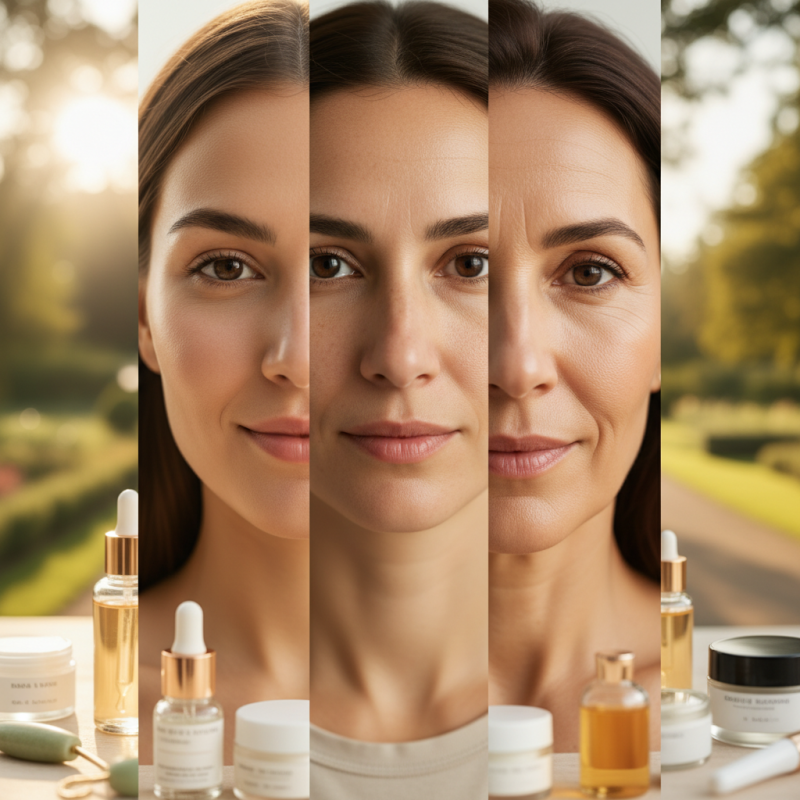
How Do Skincare Needs Change With Age and Why Is It Important?

Understanding the Aging Process: How Skin Changes Over Time

As we age, our skin undergoes significant changes. The production of collagen and elastin decreases. This leads to wrinkles and sagging skin. In our twenties, skin is usually smooth and firm. However, by our forties, things start to shift. Hydration becomes a challenge. Dry skin can become a constant issue.

Tip: Stay hydrated. Drink plenty of water daily. This helps maintain skin moisture and elasticity.

Additionally, the skin’s ability to regenerate slows down. Dead skin cells linger longer. This results in a dull, uneven complexion. Sun exposure over the years also worsens skin texture. Pigmentation spots may start appearing as well. These changes can be disheartening. It's important to adapt our skincare routine accordingly.

Tip: Exfoliate regularly to promote new skin growth. Choose gentle methods that don’t irritate the skin.

Understanding these changes is crucial. Our skincare needs evolve as we age. This knowledge can guide us to choose the right products and methods. By being proactive, we can manage the signs of aging with more confidence. Embracing our skin’s journey is vital for self-acceptance.

Key Factors Influencing Skin Aging: Genetics, Environment, and Lifestyle

As we age, our skin undergoes significant changes. Genetics play a crucial role in how our skin behaves over time. Some people may experience wrinkles early, while others maintain youthful skin longer. Understanding this hereditary influence helps us anticipate our skincare needs.

The environment also affects skin aging. Sun exposure, pollution, and climate can accelerate wrinkles and dryness. Urban dwellers might notice more skin issues due to pollution compared to those in rural areas. Lifestyle choices are equally important. Poor diet, lack of sleep, and smoking contribute to dull skin.

Reflection is necessary. Are we doing enough to protect our skin from environmental hazards? Making small changes can have a positive impact. It’s essential to adapt our skincare routine as we grow older. Ignoring these factors can lead to premature aging and skin concerns.

The Importance of Adjusting Skincare Routines as We Age

As we age, our skin undergoes significant changes. These changes affect hydration, texture, and elasticity. Thus, adjusting skincare routines becomes crucial. A well-tailored routine can address specific needs and enhance overall skin health.

**Tips:** Consider incorporating a richer moisturizer. This can help fight dryness often seen with aging skin. Also, look for products with antioxidants. They help combat free radical damage and improve skin texture. A gentle exfoliant can also be beneficial, but don’t overdo it.

Another important factor is sun protection. The skin becomes more susceptible to sun damage as it ages. Daily SPF usage is essential, no matter the season. Regular sunscreen application shields against harmful UV rays. It helps maintain skin integrity and even tone.

**Tips:** Reapply sunscreen every two hours. Consider using a broad-spectrum product for maximum protection. Also, hydration should be a priority. Drink plenty of water and incorporate hydrating ingredients into your routine. Small adjustments can lead to noticeable improvements in how your skin looks and feels.

How Do Skincare Needs Change With Age and Why Is It Important?

Age Group Common Skin Concerns Recommended Products Adjustment in Routine
Teens (13-19) Acne, Oily Skin Salicylic Acid Cleaners, Lightweight Moisturizers Focus on cleansing and oil control
20s Oily Skin, Early Signs of Aging Hydrating Serums, SPF Introduce anti-aging ingredients
30s Fine Lines, Dryness Retinol, Richer Creams Enhance hydration and anti-aging
40s Loss of Elasticity, Age Spots Peptides, Antioxidants Adjust for firmness and pigmentation
50s and Beyond Sagging Skin, Increased Sensitivity Moisturizing Oils, Calming Creams Focus on nourishment and skin barrier repair

Effective Ingredients and Treatments for Mature Skin Concerns

As we age, our skin undergoes significant changes. The loss of collagen and elasticity leads to wrinkles and sagging. Dryness becomes more prevalent too, as oil production decreases. Hydration is key for mature skin. It becomes essential to incorporate effective ingredients that target these concerns.

Retinoids are often recommended. They encourage cell turnover and boost collagen. Hyaluronic acid is another vital ingredient. It deeply hydrates, plumping the skin and reducing the appearance of fine lines. Antioxidants, such as vitamin C, help combat free radical damage from environmental stressors. These ingredients are not just a trend; they represent a genuine need for more resilient skin.

However, it's important to note the potential for irritation. Mature skin can be sensitive. Gradual introduction of new products is crucial. Patch testing is vital to avoid adverse reactions. Additionally, consistency in routines matters. Skipping even a few days can lead to visible changes. Ageing is a natural process; adapting our skincare can enhance our natural beauty.

Statistics on Skincare Product Usage Among Different Age Demographics

As people age, their skincare needs evolve significantly. Young adults often focus on prevention, using products that address acne or oily skin. By their thirties, many begin to incorporate anti-aging ingredients. Statistics reveal that over 65% of individuals aged 30 to 40 use serums and moisturizers aimed at enhancing skin elasticity. Yet, some still underestimate the importance of sunscreen.

Entering middle age, skincare routines shift again. Those in their forties and fifties often prioritize hydration. Surveys indicate that nearly 70% of this demographic rely on rich creams and oils. This age group faces unique skin challenges, such as dryness and fine lines. Unfortunately, not everyone addresses these issues effectively, leading to frustration and disappointment.

Older adults, often in their sixties and beyond, tend to embrace simplicity. Many prefer fewer products, sometimes overlooking essential steps. Despite this, 80% report using hydrating solutions regularly. This stage is crucial for maintaining skin health. A lack of awareness about tailored skincare can hinder positive aging. Individuals need to reflect on their routines and embrace what truly benefits their skin at every age.

Skincare Product Usage by Age Group

FAQS

: What factors influence skin aging?

: Genetics, environment, and lifestyle all play significant roles in skin aging.

How does genetics affect skin aging?

Genetics determine how quickly wrinkles form and how long skin remains youthful.

What environmental factors contribute to skin aging?

Sun exposure, pollution, and climate can accelerate skin issues like dryness and wrinkles.

Does living in a city affect my skin?

Yes, urban areas often have more pollution, which can lead to more skin problems.

Why is hydration important for mature skin?

Mature skin loses oil production, leading to dryness. Hydration helps maintain plumpness.

What ingredients can help with mature skin concerns?

Retinoids, hyaluronic acid, and antioxidants like vitamin C are effective for mature skin.

How should I introduce new skincare products?

Introduce them gradually and do patch tests to prevent irritation.

Why is it important to be consistent with skincare routines?

Skipping even a few days can result in visible changes to your skin.

What should I reflect on regarding my skincare routine?

Consider if you are adequately protecting your skin from environmental hazards.

What happens if I ignore skin aging factors?

Ignoring these factors can lead to premature aging and other skin concerns.

Conclusion

As we age, our skin undergoes significant changes that necessitate a reevaluation of our skincare routines. Understanding the aging process is crucial, as factors such as genetics, environmental exposure, and lifestyle choices all influence how our skin ages. This leads to the question of why do skincare needs change with age. The decline in collagen production, increased dryness, and loss of elasticity become prominent concerns for mature skin, requiring tailored skincare approaches.

Adjusting skincare routines is essential to effectively address these aging signs. Incorporating specific ingredients and treatments designed for mature skin can help combat issues like fine lines, uneven texture, and pigmentation. Statistics indicate varying skincare product usage among different age groups, highlighting the importance of recognizing and adapting to the evolving needs of our skin over time. By understanding these aspects, individuals can maintain healthier skin throughout their lives.

Sophia

Sophia

Sophia is a dedicated marketing professional with an exceptional depth of knowledge about her company's products and services. With a keen understanding of market trends and customer needs, she crafts insightful blog posts that not only inform but also engage readers, enriching the company’s online......