When it comes to achieving vibrant hair growth, the journey begins at the scalp. "How to improve scalp health naturally" is more than a trend; it is a fundamental aspect of hair care. Dr. Sarah Kaplan, a renowned trichologist, emphasizes, “A healthy scalp is the foundation for strong hair.”
Understanding the intricate relationship between scalp health and hair growth is crucial. The scalp is often overlooked. It requires attention, just like the hair itself. Natural remedies can significantly enhance scalp health. Ingredients like tea tree oil and aloe vera have shown promise. They soothe irritation and promote a balanced environment for hair follicles.
However, improving scalp health is not always straightforward. Many face challenges like buildup from products or sensitivity to environmental factors. Reflection and patience are essential in this process. Embracing natural methods takes time, but the rewards can be profound. Healthy hair starts with a healthy scalp, making it worth every effort.
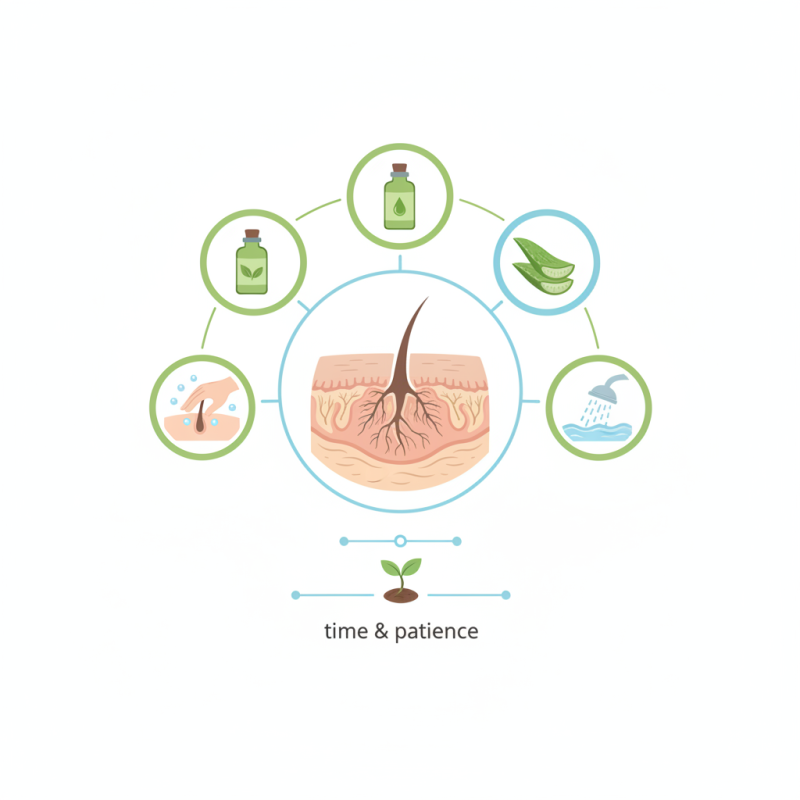
Understanding Scalp Health and Its Impact on Hair Growth
Scalp health plays a crucial role in hair growth. A healthy scalp creates an optimal environment for hair follicles to thrive. Poor scalp health can lead to issues like dryness, dandruff, and inflammation, all of which can hinder hair growth. Understanding the factors affecting scalp health is essential for achieving better hair.
One tip for improving your scalp health naturally is to incorporate regular scalp massages. Massaging increases blood flow to the scalp, enhancing nutrient delivery to hair follicles. Use your fingertips to gently massage your scalp in circular motions for a few minutes daily. This simple practice can stimulate hair growth and improve overall scalp health.
Another helpful approach is to maintain proper hydration. A hydrated scalp is less prone to dryness and irritation. Drink plenty of water throughout the day. Additionally, consider using natural oils like coconut or tea tree oil. These oils have moisturizing and anti-inflammatory properties that can nourish the scalp. Apply them sparingly, and ensure you don’t overload your scalp with products.
Pay attention to your diet as well. Nutrient-rich foods contribute significantly to scalp and hair health. Include vitamins A, C, D, and E in your meals. Foods rich in omega-3 fatty acids can also support scalp hydration. Focus on your overall well-being and how it reflects on your scalp. It’s a journey worth taking.
How Scalp Health Affects Hair Growth
Natural Ingredients for Scalp Care: Oils, Herbs, and More
Natural ingredients hold great potential for enhancing scalp health and promoting hair growth. Various studies indicate that oils like jojoba, coconut, and castor have beneficial properties. Jojoba oil closely resembles the scalp's natural sebum. This helps in moisturizing without clogging pores. According to a 2017 study published in the *Journal of Dermatology*, coconut oil can reduce protein loss in hair, making it stronger and less prone to damage.
Herbs also play a crucial role in scalp care. Rosemary and peppermint have gained attention for their stimulating effects. Research from the *International Journal of Biotechnology* shows that rosemary oil can promote hair growth due to its ability to improve blood circulation to the scalp. Applying these natural remedies can lead to a more balanced scalp environment. However, not all individuals may respond positively. Personal experiences vary, and some may find certain oils or herbs ineffective or irritating. It’s essential to patch-test any new ingredient.
Incorporating these natural ingredients requires consistency and patience. Maintaining a healthy scalp is a process, and results might not be immediate. It's important to remain mindful of how different ingredients affect your scalp. Evaluating your scalp's response over time can lead to better choices. Adjusting your routine as needed helps build a foundation for healthy hair growth.
How to Improve Scalp Health Naturally for Better Hair Growth
| Natural Ingredient |
Benefits for Scalp Health |
Usage Method |
| Coconut Oil |
Moisturizes scalp and reduces dandruff |
Massage into scalp and leave for 30 min before washing |
| Tea Tree Oil |
Antimicrobial properties that fight scalp infections |
Dilute with carrier oil and apply to scalp |
| Aloe Vera |
Soothes irritation and hydrates skin |
Apply fresh gel directly to scalp |
| Rosemary Oil |
Stimulates hair follicles and promotes growth |
Mix with carrier oil and massage into scalp |
| Peppermint Oil |
Improves blood circulation to follicles |
Dilute and apply to scalp for 20 min |
Effective Scalp Massage Techniques to Stimulate Blood Flow
Scalp health is crucial for vibrant hair growth. One of the best ways to enhance it is through effective scalp massage techniques. These techniques not only stimulate blood flow but also promote relaxation, contributing to overall well-being.
To begin, find a comfortable spot where you can focus on your scalp. Use your fingertips to apply gentle pressure in circular motions. This method enhances circulation, delivering essential nutrients to hair follicles. You can also vary the pressure. Softer strokes can be soothing, while firmer ones provide invigorating stimulation. Pay special attention to areas that feel tense; this can help release stubborn knots.
Incorporating essential oils, like rosemary or peppermint, can elevate your massage experience. These oils may also support hair growth. However, everyone’s scalp responds differently, so listen to your body. Not all techniques will feel right for you. Experimenting is key. If discomfort arises, adjust your pressure or technique. Reflect on your experience, and find what resonates with your scalp.
Dietary Changes to Promote Scalp Health and Hair Growth
Eating a balanced diet is essential for scalp health and hair growth.
Foods rich in vitamins and minerals support the body’s natural processes. Include green leafy vegetables in your meals.
Spinach and kale are fantastic choices. They provide iron and vitamins A and C, which help your scalp remain healthy.
Additionally, incorporate healthy fats into your diet.
Avocados, nuts, and seeds offer omega-3 fatty acids, which nourish the hair follicles.
These nutrients promote circulation to the scalp. Staying hydrated is also important.
Drink plenty of water to keep your scalp moisturized. Dehydration can lead to dryness and itchiness, affecting hair growth.
Tips: Consider adding eggs to your breakfast.
They are an excellent source of protein and biotin. This combination strengthens hair strands.
Moreover, try herbal teas like nettle or peppermint.
These can improve circulation and support hair health.
Small dietary changes can significantly impact your overall scalp condition.
Reflect on your current habits and make adjustments as necessary.
Preventive Measures for Common Scalp Issues Affecting Hair Growth
Maintaining a healthy scalp is essential for promoting hair growth. According to the American Academy of Dermatology, about 50 million men and 30 million women experience hair loss in the U.S. This evident statistic highlights the significance of scalp health. A common issue is scalp dryness. Dryness can lead to flakiness and irritation, making hair appear dull and lifeless. Regularly moisturizing the scalp with natural oils, like jojoba or coconut oil, can help. These oils nourish the scalp and maintain hydration levels.
Another prevalent condition is scalp inflammation. Studies show that inflammation can disrupt hair follicles, ultimately leading to hair thinning. Anti-inflammatory ingredients, such as aloe vera, can soothe the scalp. However, individuals should be cautious as unnecessary scrubbing can worsen the situation. Exfoliating the scalp once every month can remove dead skin cells without overdoing it. Listening to your scalp’s needs is crucial here; what works for one individual may not work for another.
Additionally, a balanced diet plays a vital role in scalp health. Foods rich in omega-3 fatty acids, such as flaxseeds and walnuts, support scalp circulation. A deficiency in essential nutrients can result in an unhealthy scalp, which might affect hair growth negatively. Reflecting on dietary habits can reveal gaps that need addressing. Thoughtful adjustments can pave the way for healthier hair flourishing from a nurtured scalp.
FAQS
: Oils like jojoba, coconut, and castor promote scalp health. They hydrate without clogging pores.
Coconut oil reduces protein loss in hair. This strengthens strands and minimizes damage.
Herbs like rosemary and peppermint stimulate blood circulation. They can promote hair growth effectively.
Individual responses to oils or herbs can vary. Patch testing helps avoid irritation and adverse reactions.
Consistency is key for best results. Regular use can improve scalp health over time.
Scalp massages with circular motions enhance circulation. Use gentle or firm pressure based on personal comfort.
Essential oils may elevate the massage experience. They can also support hair growth when used consistently.
If discomfort occurs, adjust your pressure or technique. It's vital to listen to your body's responses.
Results may not be immediate. Patience is crucial when working towards healthier scalp and hair.
Reflect on your scalp's response over time. Adjusting routines based on observations can improve outcomes.
Conclusion
Improving scalp health naturally is essential for promoting better hair growth. A clear understanding of how scalp health directly impacts hair vitality is crucial. By incorporating natural ingredients such as oils and herbs into scalp care routines, individuals can nourish their hair follicles effectively. Additionally, effective scalp massage techniques can significantly stimulate blood flow, enhancing nutrient delivery to the scalp.
Moreover, making dietary changes that include nutrient-rich foods can further support scalp health and encourage hair growth. It’s also important to adopt preventive measures to address common scalp issues that may hinder hair development. By following these guidelines on how to improve scalp health naturally, individuals can create a holistic approach to achieving healthier hair.

 Aura Beauty