Dry hair after washing can be frustrating. Many people ask, "why does my hair feel dry after washing?" Understanding the root causes helps in addressing this issue effectively. Factors such as excessive heat, harsh shampoos, and environmental conditions play significant roles.
Overwashing can strip natural oils. When this happens, hair becomes brittle and unmanageable. Lack of moisture is often to blame. Additionally, using high-temperature water can worsen the problem. Hot water opens hair cuticles, leading to moisture loss.
Consider your hair type and adjust your routine accordingly. For instance, fine hair may need lighter products, while thick hair often benefits from richer oils. Reflecting on past habits is vital. Are your hair care products suitable for your needs? Making some adjustments can greatly improve your hair's texture and health.
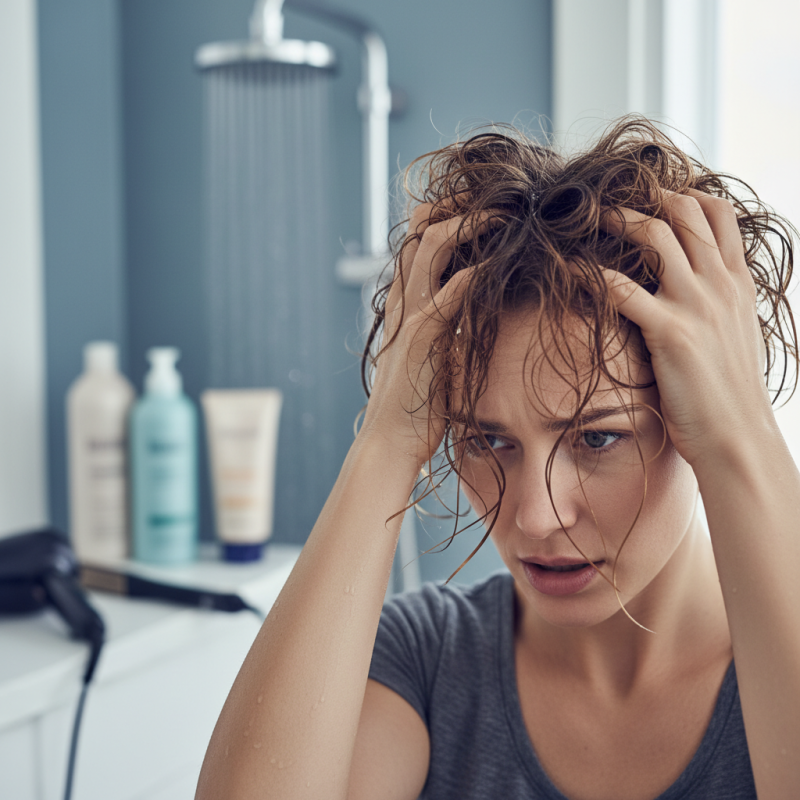
Dry hair after washing is a common issue. Identifying the causes is crucial for effective solutions. Studies indicate that about 60% of people experience dryness at some point. This can stem from various factors, including the type of shampoo used. Sulfates, for instance, are known to strip hair of its natural oils. A report from the American Academy of Dermatology highlights that frequent washing can also exacerbate dryness.
Environmental influences play a significant role. Exposure to sun, wind, and low humidity can lead to moisture loss. A survey by the International Journal of Cosmetic Science shows that 80% of participants noted increased dryness in harsh conditions. Additionally, improper drying techniques contribute to the problem. Rubbing hair vigorously with a towel can cause damage. Instead, consider patting gently to reduce friction.
Understanding your hair type is essential. Curly and textured hair often requires more moisture. Many people overlook this and use products meant for straight hair. A survey found that 70% of respondents did not adjust their hair care routine based on their hair type. Recognizing these details can guide better care practices. It’s worth reflecting on what works for your hair specifically.
Understanding the impact of shampoo and hair products is crucial for maintaining healthy hair. According to a report by the American Academy of Dermatology, shampoo ingredients can significantly influence hair moisture retention. Many commercial shampoos contain sulfates, which effectively remove dirt but can strip away natural oils. This can result in dry, brittle hair post-wash.
The type of products you use matters. A study published in the Journal of Cosmetic Science highlights that certain conditioners can help seal in moisture. Those containing silicone or natural oils provide a protective layer. However, over-reliance on heavy products can lead to buildup. This can leave your hair looking lifeless and dull, counteracting the benefits of conditioning.
Finding the right routine requires trial and error. Not every product works for everyone. Individual hair types react differently based on porosity and thickness. Sometimes, eliminating certain ingredients from your regimen reveals previously masked issues. Therefore, understanding how each component affects your hair is key to nurturing its health.
Dry hair can be a persistent issue, especially after washing. A study from the American Academy of Dermatology indicates that over 40% of individuals experience dry hair due to environmental factors and improper care. Restoring moisture is essential for hair health. Effective hydration techniques can make a significant difference.
One popular method is deep conditioning. Incorporating a deep conditioner into your routine can enhance moisture retention. Aim for products with natural oils, such as argan or coconut oil. These oils penetrate the hair shaft, improving elasticity. Studies show that hair retains more moisture when treated with natural oils. A weekly mask can also provide long-lasting hydration.
Another important technique is maintaining proper washing habits. Over-washing hair can strip away natural oils, leading to dryness. Professionals recommend washing hair only two to three times a week. Also, using lukewarm water instead of hot can help avoid excess dryness. A survey by a hair care brand revealed that 70% of users noticed better moisture retention with cooler water. Focusing on these hydration techniques can significantly restore moisture levels in hair.
Choosing the right conditioners and treatments is essential for dry hair recovery. Focus on products that provide deep hydration. Look for ingredients like shea butter, argan oil, and aloe vera. These substances penetrate the hair shaft and offer moisture where it's needed most.
Conditioners should be used after every wash. Leave them on for at least three to five minutes. This simple step can drastically improve hair texture. For extra care, incorporate a weekly deep conditioning mask. Apply it generously and cover your hair with a shower cap. Allow the treatment to sit longer, ideally overnight, if possible.
Be mindful of your hair's reaction to different products. Sometimes, a highly advertised conditioner might not suit your hair type. Listening to your hair's needs is vital. Dry hair recovery takes time and patience. Keep experimenting until you find the right balance.
Maintaining healthy and hydrated hair requires attention and care. Dry hair often results from environmental factors, heat styling, and improper washing techniques. Implementing simple preventive measures can greatly improve hair health. Regularly trimming your hair helps eliminate split ends, which can cause further dryness. Incorporating a nourishing conditioner after every wash is equally vital. This ensures that moisture is locked in, protecting your hair from becoming brittle.
Another effective practice is to choose the right hair washing frequency. Overwashing can strip your hair of its natural oils, leading to dryness. Pay attention to your hair type. If your hair feels greasy quickly, consider washing it every other day. If it tends to be dry, stretching your washes to two or three times a week may help. Additionally, using a silk pillowcase can minimize friction, reducing breakage and dehydration while you sleep.
Hydration extends beyond the shower. Drinking plenty of water is crucial for overall hair health. A balanced diet rich in vitamins and minerals supports hair growth and moisture retention. Sometimes, even with all these efforts, hair can still feel dry. In those moments, consider deeper treatments like masks or oils. Experimenting with various techniques may reveal what specifically works best for you.
| Preventive Measures | Description | Benefits |
|---|---|---|
| Use a Moisturizing Shampoo | Choose a shampoo that adds moisture to the hair. | Helps to restore hydration and prevents dryness. |
| Regular Conditioning | Apply conditioner after each wash to lock in moisture. | Keeps hair soft and reduces frizz. |
| Limit Heat Styling | Reduce the use of hair dryers, curling irons, and straighteners. | Prevents further damage and dryness. |
| Use a Humidifier | Add moisture to the air in your home, particularly in winter. | Helps maintain hydration in the hair. |
| Regular Trims | Trim the ends of your hair every 6-8 weeks. | Eliminates split ends and promotes healthier hair growth. |
| Drink Plenty of Water | Stay hydrated by drinking water throughout the day. | Keeps hair hydrated from the inside out. |
: Dry hair can result from types of shampoo, frequent washing, and environmental factors like sun and wind.
It's best to wash your hair two to three times a week to maintain natural oils.
Instead of rubbing hair with a towel, gently pat it dry to minimize friction and damage.
Knowing your hair type helps select appropriate products, particularly if you have curly or textured hair.
Deep conditioning with natural oils and using lukewarm water during washing can enhance moisture retention.
Leave conditioner on for at least three to five minutes after each wash for better results.
Look for shea butter, argan oil, and aloe vera for deep hydration and moisture retention.
Yes, hot water can strip natural oils, leading to increased dryness in hair.
Pay attention to how your hair responds to different products; it may take time to find the right one.
No, it takes time and patience to recover from dry hair; keep experimenting with care routines.
Dry hair after washing can be a frustrating issue that many encounter, leading to the common question, "why does my hair feel dry after washing?" This dryness can be caused by various factors, including over-washing, harsh shampoos, or environmental influences. Understanding the role of your shampoo and the products you use is crucial in maintaining hair health, as certain ingredients can strip natural moisture from your hair.
To restore hydration, it's essential to adopt effective techniques such as using deep conditioning treatments and hydrating masks. Selecting the right conditioners tailored to your hair type also plays a significant role in reviving lost moisture. Additionally, implementing preventive measures, such as reducing heat exposure and using protective styling, can help maintain healthy and hydrated hair in the long run. With the right approach, you can effectively combat dryness and achieve well-nourished locks.

Aura Beauty