What Is Dull Skin and Why Does It Look Tired?

Time:2026-10-16 Author:Henry
0%

Why does skin look dull and tired? The answer is rarely one dramatic cause. More often, several small changes overlap: accumulated dead skin cells, dehydration, uneven pigmentation, environmental stress, and reduced circulation. Skin can lose its smooth, light-reflecting surface, making the face look flat under office lighting or harsh morning sunlight.

The American Academy of Dermatology notes that dry skin may appear rough, flaky, and less radiant. Sleep loss can also affect the skin barrier and visible recovery, although individual responses vary. Grand View Research valued the global skincare market at approximately $155.7 billion in 2022, showing how strongly consumers pursue healthier-looking skin. However, market size does not prove that every brightening product works. That distinction matters.

Dermatologist and skin-health researcher Dr. Howard Murad has said, “Your skin is a reflection of your overall health.” His statement offers useful perspective, but it should not become an oversimplified diagnosis. Dullness may reflect dry air, daily sun exposure, pollution, or simply normal skin variation. It can also appear when cleansing is too aggressive. Sometimes, the routine is the problem.

This guide examines what dull skin means, why it can look tired, and which explanations have stronger scientific support. It will separate temporary surface changes from signs requiring professional attention. The evidence is not perfect. Neither is every complexion. Still, close observation can reveal practical clues: tightness after washing, rough texture near the cheeks, or shadows beneath the eyes.
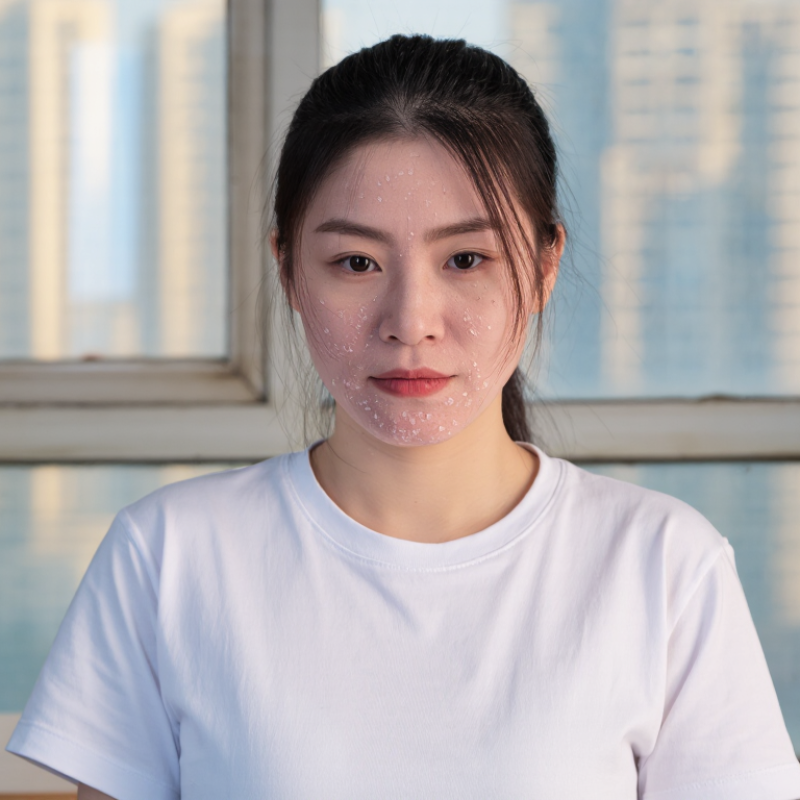
What Is Dull Skin and Why Does It Look Tired?

What Dull Skin Is and How It Differs from Healthy Skin

Dull skin often looks flat, rough, or unusually tired. Healthy skin usually reflects light more evenly. It may feel soft, comfortable, and flexible after cleansing. Dullness can appear when dead skin cells build up, dehydration creates fine lines, or sleep becomes irregular. Pollution, stress, and harsh cleansing may also affect the skin barrier. However, dull skin is not always unhealthy skin. Natural texture, pores, and uneven tone are normal.

Look closely in daylight. Dull skin may show flaky areas around the nose, grayness on the cheeks, or makeup sitting unevenly. Healthy skin can still have redness, blemishes, or visible pores. It does not need to look perfectly smooth. From practical skincare experience, people often mistake temporary dryness for permanent dullness. I used to assume more exfoliation would help, but that can increase sensitivity and make the surface look worse.

Tips: Use a gentle cleanser and apply moisturizer while skin is slightly damp. Wear broad-spectrum sunscreen during daylight hours. Exfoliate sparingly, especially if your skin stings or feels tight. Drink enough fluids, but remember that water alone cannot repair a damaged barrier. Track changes for several weeks instead of judging your face under harsh bathroom lighting. If dullness continues with itching, scaling, pain, or sudden color changes, seek advice from a qualified dermatologist.

The Main Signs and Visual Characteristics of Dull Skin

Dull skin is skin that reflects less light evenly. It can look flat, gray, or persistently tired. The main visual signs include rough patches, uneven tone, visible dryness, and reduced natural radiance. Fine lines may also appear deeper when the surface lacks water. In daylight, the cheeks can look muted rather than softly reflective. Under indoor lighting, the forehead may seem slightly dusty or shadowed.

The International Dermal Institute’s 2023 skin-health report identifies uneven tone, rough texture, and dehydration as recurring concerns linked with reduced radiance. A 2020 study in Skin Research and Technology also connected perceived radiance with surface smoothness and light reflection. These findings explain why dullness is not simply “dark skin.” It is often a combination of dead-cell buildup, dehydration, environmental exposure, and irregular pigmentation.

Texture offers useful clues. Skin may feel less smooth around the nose, chin, or cheekbones. Makeup can catch on those areas. I have also noticed that dullness looks stronger after poor sleep, although that observation is not a clinical diagnosis. A mirror can mislead, too. Warm bulbs, camera filters, and heavy indoor lighting change how tone appears. Persistent grayness, sudden discoloration, or irritation deserves professional assessment rather than aggressive exfoliation.

Common Causes Behind a Tired-Looking Complexion

Dull skin often looks flat, gray, or less reflective than usual. The surface may feel rough, tight, or uneven. It can make the face appear tired, even after enough sleep. However, dullness is not a medical diagnosis. It describes an appearance with several possible causes.

Common causes include dehydration, accumulated dead skin cells, and reduced skin renewal. Cold air, indoor heating, and harsh cleansers can weaken the skin barrier. Daily ultraviolet exposure may also create uneven pigmentation and a less luminous tone. Stress and poor sleep can increase dryness and inflammation, although these factors do not affect everyone equally. It is easy to blame dehydration, but that explanation is incomplete. Sometimes, over-exfoliating causes the very roughness people try to remove.

Tips: Use a gentle cleanser and apply moisturizer while skin is slightly damp. Wear broad-spectrum sunscreen every day, even during cloudy weather. Exfoliate carefully, not aggressively, and stop if stinging develops. Fresh fruit, vegetables, water, and consistent sleep support overall skin health, but they cannot replace treatment for a skin condition. If dullness continues, or if you notice itching, scaling, sudden color changes, or persistent redness, seek advice from a qualified dermatologist. A professional can check for eczema, irritation, anemia-related concerns, or other causes that skincare alone may not address.

How Skin Structure and Cell Turnover Affect Radiance

What Is Dull Skin and Why Does It Look Tired?

How Skin Structure and Cell Turnover Affect Radiance

Dull skin often reflects how light moves across its surface. A healthy stratum corneum has closely arranged cells and balanced natural lipids. This smooth structure helps light bounce back evenly. When the surface becomes rough, light scatters in several directions. The face can then appear flat, gray, or tired.

Cell turnover matters here. New epidermal cells gradually move upward, while older corneocytes shed from the surface. This process is continuous, not instant. When shedding becomes uneven, small dry patches and compacted cells may remain visible. Dehydration can deepen fine lines and reduce surface smoothness. Sun exposure, irritation, pollution, and harsh cleansing may also disturb the barrier. The result is less consistent reflection.

Skin is not a glass window. It changes daily. Sleep loss or temporary inflammation can alter its color and texture, although these signs do not diagnose poor health. I once assumed dullness always meant “dead skin,” but that explanation was too simple. Barrier damage can create a similar appearance. Gentle cleansing, regular moisturizing, and daily broad-spectrum sun protection support the barrier. Exfoliation may help some people, but more is not always better. Overuse can cause redness and sensitivity, making radiance look worse. A dermatologist can assess persistent changes, especially when dullness appears with itching, scaling, or sudden discoloration.

Ways to Assess and Improve Dull, Tired-Looking Skin

Dull skin often appears flat, rough, or uneven in tone. It may also reflect light poorly, making the face look tired. Dehydration, dead skin buildup, stress, poor sleep, and excessive sun exposure can contribute. Assess your skin in natural daylight, not under harsh bathroom lighting. Notice texture, tightness, redness, and changes over several weeks. A mirror can mislead.

Tips: Cleanse gently, then apply a fragrance-free moisturizer while skin is slightly damp. Use broad-spectrum sunscreen every morning, even on cloudy days. Introduce exfoliation slowly, perhaps once weekly, and stop if burning or persistent redness appears. Drinking water helps overall health, but it cannot replace topical care or sleep. Patch-test new products first.

Professional experience suggests that simple routines are easier to maintain than complicated ones. A dermatologist can assess persistent dullness, scaling, itching, or sudden color changes. These signs may have causes beyond skincare. Results are rarely immediate. Skin does not always improve on schedule, and I think that expectation deserves more honesty. Track progress with monthly photos in consistent lighting, rather than judging your face every morning.

What Is Dull Skin and Why Does It Look Tired? - Ways to Assess and Improve Dull, Tired-Looking Skin

A practical, evidence-informed guide to recognizing common signs of dull-looking skin and supporting a healthier, more radiant appearance.

Assessment Dimension What You May Notice Common Contributing Factors Practical Improvement Strategy Typical Observation Period Priority
Surface radiance Skin appears flat, grayish, or less reflective than usual. Accumulated dead skin cells, dehydration, environmental exposure, and uneven texture. Use a gentle cleanser, moisturize consistently, and consider a mild exfoliating product once or twice weekly if the skin tolerates it. Texture may look smoother within several weeks; stronger changes often take longer. High
Hydration level Tightness, fine dry lines, rough patches, or makeup that settles unevenly. Low humidity, hot showers, harsh cleansing, over-exfoliation, and insufficient barrier support. Apply a fragrance-free moisturizer to slightly damp skin, use lukewarm water, and avoid scrubbing or very hot showers. Comfort and tightness can improve within days; barrier recovery may require several weeks. High
Skin barrier condition Stinging, increased sensitivity, redness, flaking, or poor tolerance of normally comfortable products. Overuse of exfoliating acids, retinoids, abrasive tools, fragranced products, or frequent product changes. Simplify the routine temporarily: gentle cleanser, bland moisturizer, and daily broad-spectrum sunscreen. Reintroduce active products gradually. Minor irritation may settle in days to weeks; persistent symptoms require professional assessment. High
Uneven tone Brown spots, post-blemish marks, or areas that appear darker or less even. Ultraviolet exposure, visible-light exposure in some pigment conditions, inflammation, and hormonal influences. Apply broad-spectrum sunscreen with SPF 30 or higher every day and avoid picking at blemishes. Use tone-evening ingredients cautiously. Prevention begins immediately; visible fading commonly takes several weeks to months. High
Texture and smoothness Small bumps, roughness, enlarged-looking pores, or patchy makeup application. Dead-cell buildup, excess oil, clogged pores, dehydration, and inconsistent cleansing. Cleanse gently, choose non-comedogenic products when prone to congestion, and avoid aggressive physical exfoliation. Texture may gradually improve over four to eight weeks, depending on the cause. Medium
Daily sun exposure Persistent dullness, uneven pigmentation, freckles, or a rougher appearance over time. Repeated ultraviolet exposure can contribute to premature skin aging and uneven tone. Use broad-spectrum SPF 30 or higher, reapply during extended outdoor exposure, and add shade, clothing, or a hat. Protection is immediate; reducing cumulative visible effects is a long-term process. Essential
Sleep and recovery A temporarily tired appearance, under-eye darkness, puffiness, or less vibrant-looking skin. Short or disrupted sleep, stress, dehydration, and temporary fluid retention. Aim for a consistent sleep schedule, maintain regular hydration, and address ongoing stress where possible. Some temporary changes may improve after several nights of better rest; persistent darkness may have other causes. Medium
Diet and hydration habits Dryness or a less healthy appearance, especially when meals and fluid intake are inconsistent. Insufficient overall fluid intake, restrictive eating patterns, or low intake of nutrient-dense foods. Eat a varied diet containing vegetables, fruits, protein, whole grains, and healthy fats; drink according to thirst and activity level. General energy and comfort may change over days to weeks; skin changes vary widely. Medium
Product compatibility New dullness accompanied by burning, itching, breakouts, redness, or peeling after starting a product. Irritation, allergic contact dermatitis, incompatible combinations, or use of too many active ingredients. Stop the suspected irritant, return to a simple routine, patch-test new products, and add only one new active at a time. Improvement depends on the reaction; worsening or persistent symptoms should be evaluated. High
When to seek professional advice Sudden or persistent color change, severe dryness, pain, swelling, spreading rash, bleeding, or rapidly changing spots. Possible inflammatory, allergic, infectious, medication-related, or other medical conditions. Arrange an evaluation with a qualified healthcare professional instead of relying solely on cosmetic products. Seek prompt advice when symptoms are severe, sudden, worsening, or do not improve with gentle care. Important

Important: Dull-looking skin is a cosmetic description rather than a diagnosis. Introduce one new product at a time, patch-test when appropriate, and stop any product that causes significant burning, swelling, or irritation.

FAQS

What makes skin look dull or tired?

Uneven texture scatters light instead of reflecting it evenly. Dry patches, compacted surface cells, and dehydration can create a flat appearance. It is not always “dead skin.”

How does cell turnover affect radiance?

New epidermal cells move upward while older cells shed gradually. If shedding becomes uneven, rough patches may remain visible. The process is continuous.

Can dehydration make fine lines look deeper?

Yes, reduced surface moisture can emphasize fine lines and roughness. Apply moisturizer while your skin is slightly damp. Drink water, but do not expect it to replace topical care.

What daily habits can support brighter-looking skin?

Cleanse gently, moisturize regularly, and use broad-spectrum sun protection each morning. These habits help support the skin barrier. Simple routines are easier to maintain.

How should I check whether my skin looks dull?

Look in natural daylight rather than harsh bathroom lighting. Notice texture, tightness, redness, and tone changes over several weeks. A mirror can mislead.

How often should I exfoliate dull-looking skin?

Start slowly, perhaps once weekly. Stop if burning or lasting redness appears. More exfoliation is not automatically better.

Why might my skin look dull after poor sleep or stress?

Sleep loss and temporary inflammation can change skin color and texture. These signs do not diagnose poor health. The effect may fade gradually.

When should persistent dullness be professionally assessed?

Seek professional advice for ongoing dullness with itching, scaling, or sudden discoloration. Those signs may have causes beyond skincare. Do not ignore sudden changes.

How long does it take to notice improvement?

Results are rarely immediate. Track monthly photos in consistent lighting instead of judging your face every morning. Skin does not always improve on schedule.

Conclusion

Dull skin is skin that appears flat, uneven, rough, or lacking in natural radiance, while healthy skin usually looks smoother, more balanced, and softly reflective. Common signs include a gray or tired-looking tone, dry patches, uneven texture, visible buildup, and reduced freshness. Understanding why does skin look dull and tired often begins with examining daily habits, environmental exposure, dehydration, stress, poor sleep, and an inconsistent skincare routine.

Skin structure and cell turnover also influence brightness. As older surface cells accumulate and natural renewal slows, light may scatter unevenly, making the complexion look less vibrant. A practical approach includes observing changes in tone, texture, moisture, and sensitivity, then supporting the skin with gentle cleansing, regular hydration, sun protection, and carefully chosen exfoliation. Consistency is more important than using harsh methods. If dullness persists or is accompanied by irritation, sudden changes, or other concerns, professional guidance can help identify underlying factors and create a suitable care plan.

Henry

Henry

Henry is a dedicated marketing professional with a profound expertise in the company's offerings. With years of experience in the industry, he possesses an impressive understanding of the market dynamics and consumer behaviors that drive success. Henry is committed to sharing his insights through......