Understanding the feeling of dryness in your hair after a wash is crucial for effective care. Renowned trichologist Dr. Lisa Smith states, "Dry hair often signals that your scalp is struggling to retain moisture." Numerous individuals wonder, "why does my hair feel dry after washing?" This common concern can stem from various factors, including the choice of shampoo and water quality.
When we wash our hair, the cleansing process can strip natural oils. Over-washing or using harsh shampoos can exacerbate this issue. Furthermore, factors such as hard water or excessive heat styling contribute to dryness. Your hair may feel brittle and difficult to manage after a wash. It’s essential to recognize the signs of damaged hair and seek appropriate solutions.
Repairing damaged hair requires a tailored approach. Consider incorporating hydrating conditioners and leave-in treatments. Regular trims can also help manage split ends. It's vital to reflect on your hair care routine to identify what may be causing dryness. By addressing these aspects, you can restore moisture and improve overall hair health.
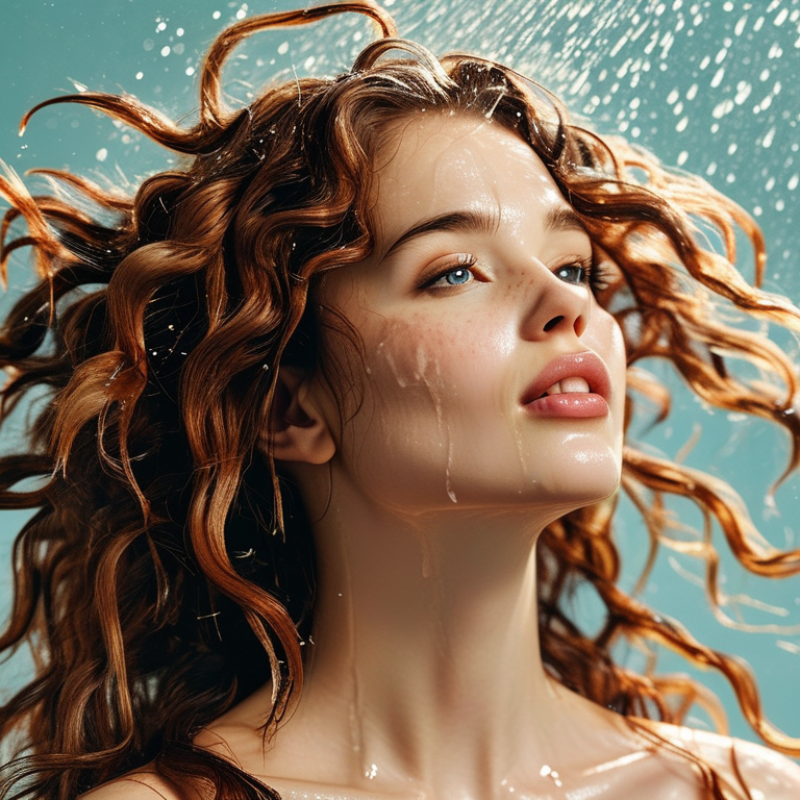
Dry hair after washing can be a common issue, often linked to several factors. According to the American Academy of Dermatology, approximately 40% of women report issues with dry or brittle hair. This can result from the overuse of shampoo, which strips natural oils from the scalp. Harsh cleaning agents, often found in everyday shampoos, can exacerbate this problem.
Environmental conditions also contribute significantly to hair dryness. For example, low humidity and cold weather can lead to moisture loss. The Journal of Investigative Dermatology highlights how ultraviolet (UV) exposure can damage hair's protein structure, increasing brittleness. Many people overlook the damage caused by UV rays and heating tools, leading to compromised hair health.
Inadequate conditioning is another key factor. A study published in the International Journal of Cosmetic Science found that 80% of individuals do not use conditioner regularly or apply it correctly. Lack of hydration and nutrients can cause hair to lose its softness and shine. Addressing these issues can be a gradual process, requiring consistent care and mindful product choices.
Hair damage often stems from common mistakes made during everyday care. One frequent error is using hot water to wash hair. Hot water strips natural oils, leading to dryness and frizz. Opting for lukewarm or cool water helps retain moisture.
Another mistake is over-washing. Washing hair too frequently can deplete its natural oils, causing it to feel brittle. For most, two to three washes per week is ideal. If you feel the need to wash daily, try rinsing with water instead of shampoo.
Choosing the wrong products can also be detrimental. Many shampoos contain harsh sulfates that can aggravate dryness. Gentle, sulfate-free formulas can cleanse without stripping essential nutrients. Pay attention to ingredients and avoid those with high alcohol content. These real-life changes can greatly improve hair health over time.
Dry hair after washing can be frustrating. Many people struggle with this issue. It often results from over-washing, using harsh products, or environmental factors. Knowing this, it’s essential to address these problems to improve hair health.
One effective tip is to use a gentle, sulfate-free shampoo. This helps maintain your hair’s natural oils. Washing less frequently can also assist in retaining moisture. After washing, consider a nourishing conditioner. Look for ingredients like shea butter or coconut oil, which help hydrate and repair.
Incorporating regular deep conditioning treatments into your routine can make a significant difference. Leave-in conditioners or hair masks can restore moisture effectively. Try to avoid heat styling tools, as they can worsen dryness. Embrace your hair's natural texture. Remember, perfection isn’t the goal; healthy hair should be your focus. Look beyond aesthetics to cultivate better hair habits.
| Tip | Description | Frequency |
|---|---|---|
| Use a Sulfate-Free Shampoo | Sulfates can strip moisture from hair, choose a gentle, moisturizing shampoo. | Every wash |
| Deep Conditioning Treatments | Apply a deep conditioner once a week to restore hydration. | Weekly |
| Avoid Heat Styling | Reduce the use of blow dryers, straighteners, and curling irons to minimize damage. | As much as possible |
| Use Leave-In Conditioner | Apply a leave-in conditioner to provide ongoing moisture and protection. | After every wash |
| Trim Regularly | Get regular trims to remove split ends and prevent further damage. | Every 6-8 weeks |
Dry hair after washing can be frustrating. Many people face this issue, often due to environmental factors and product choices. According to a study by the American Academy of Dermatology, nearly half of adults complain about hair dryness. It’s essential to understand how to replenish moisture effectively.
Using the right products is crucial. Look for shampoos and conditioners that contain elements like hyaluronic acid and natural oils. Ingredients like argan oil are known to penetrate hair shafts, providing deep hydration. A report from the International Journal of Cosmetic Science noted that products with shear spikes in emollients can significantly reduce frizz and improve texture. Incorporating leave-in conditioners that contain humectants can also aid in moisture retention throughout the day.
Remember, not all treatments work the same for everyone. Trial and error may be necessary. Some may find that excessive use of heat styling tools exacerbates dryness. Be mindful of your routine; regularly rotating products may prevent build-up and increased dryness. It's a journey of finding that perfect balance between nourishment and maintaining a healthy scalp.
This chart illustrates the factors contributing to hair dryness post-washing, based on a survey of hair care habits.
Maintaining healthy hair after washing is crucial for preventing dryness. Experts recommend a few preventive measures to keep hair moisturized. According to a survey by the Amercian Academy of Dermatology, around 60% of individuals experience some dryness after washing. This indicates a widespread issue that many people face.
One effective method is choosing the right shampoo. Sulfate-free options can help retain natural oils. Additionally, incorporating a moisturizing conditioner can counteract the drying effects of washing. Look for ingredients like shea butter or argan oil. These components provide hydration. The right products can significantly improve hair health.
Another tip is to avoid hot water. Research shows that hot water strips away natural oils, leading to dryness. Washing hair with lukewarm or cold water helps lock in moisture. Also, limiting washes to 2-3 times a week can be beneficial. Over-washing can lead to further damage. It’s important to listen to your hair's needs. Sometimes, it requires less frequent washing to maintain its natural luster.
: Dry hair often results from environmental factors and product choices. Many people face this common issue.
Look for shampoos and conditioners with hyaluronic acid and natural oils for effective hydration.
Yes, excessive heat styling can exacerbate dryness and damage. It's important to be mindful of your routine.
Limiting washes to 2-3 times a week can help maintain moisture and prevent dryness.
Use lukewarm or cold water. Hot water can strip away natural oils and cause dryness.
Not necessarily. Different products work for different people. Trial and error may be needed.
Regularly rotating products can prevent build-up and maintain a healthy scalp. It helps balance nourishment.
Leave-in conditioners with humectants can aid in moisture retention throughout the day, keeping hair hydrated.
Yes, sulfate-free shampoos are recommended. They help retain natural oils and reduce dryness after washing.
Extremely important. The right products can significantly improve hair health and hydration levels.
If you've ever wondered "why does my hair feel dry after washing," you're not alone. Dry hair can result from a variety of causes, including over-washing, using harsh shampoos, or exposure to heat styling. Common mistakes, such as towel-drying aggressively or skipping conditioner, can further exacerbate damage.
To repair dry and damaged hair, it is essential to adopt effective tips, like using sulfate-free shampoos, deep conditioning treatments, and minimizing heat exposure. Incorporating nourishing hair products into your routine can provide much-needed hydration. Additionally, preventive measures, such as limiting washing frequency and using a wide-tooth comb, can help maintain healthy hair post-wash. By understanding these factors and implementing the right strategies, you can achieve softer, more manageable hair.

Aura Beauty