Hair breakage and thinning are common concerns for many individuals. Renowned trichologist Dr. Amy D. Roberts says, "Understanding what causes hair breakage and thinning is crucial for effective treatment." Her expertise sheds light on the underlying factors leading to these issues.
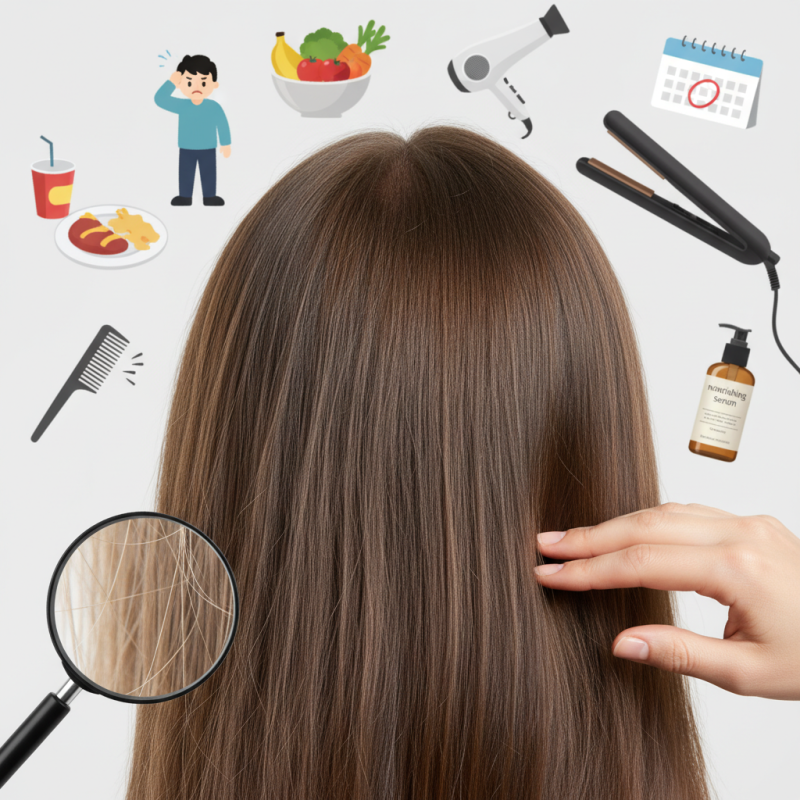
Factors such as stress, poor nutrition, and excessive styling all contribute to hair's fragile state. When hair lacks essential vitamins, it becomes thin and prone to breakage. Many people overlook the impact of their daily routines. Neglecting scalp health can also exacerbate these problems.
Finding a solution requires a closer look at both lifestyle habits and hair care practices. Simple changes, like maintaining a balanced diet and minimizing heat exposure, can make a difference. However, it is essential to reflect on personal habits that may be damaging. Creating a nurturing environment for hair growth can lead to healthier, stronger hair over time.
Understanding Hair Structure and Growth Cycle
Understanding hair structure and the growth cycle is vital for addressing hair breakage and thinning. Human hair consists of three main layers: the cuticle, cortex, and medulla. The cuticle protects the inner layers, while the cortex provides strength and elasticity. When the cuticle is damaged, hair becomes brittle and prone to breakage. Factors such as heat styling, chemical treatments, and environmental stress can compromise hair health.
To support healthy hair, consider these tips: limit the use of heat styling tools. When styling, use a lower heat setting. Also, incorporate hydrating products into your routine. Look for those with natural oils to nourish the hair.
The hair growth cycle consists of three phases: anagen, catagen, and telogen. During the anagen phase, hair actively grows. The duration of this phase varies among individuals. Factors like stress, nutrition, and hormonal changes can impact this cycle. Thin hair may indicate issues during these phases. Reflect on your lifestyle, as it plays a significant role in hair health. Maintaining a balanced diet rich in vitamins can lead to improvements over time.
Hair Breakage Causes and Thinning Solutions
Common Causes of Hair Breakage and Thinning
Hair breakage and thinning can be frustrating experiences for many people. Understanding the common causes can help address the issue effectively. One primary reason for hair breakage is excessive heat styling. Tools like straighteners and curling irons can damage the hair's protein structure. When used frequently, they lead to dryness and brittleness. This makes hair more prone to breaking.
Another significant factor is nutritional deficiencies. A lack of essential vitamins and minerals, like biotin and iron, can weaken hair strands. Stress also plays a crucial role. It can disrupt the natural hair cycle, leading to increased shedding. Poor hair care practices, such as tight hairstyles, can cause stress on roots. This can contribute to thinning over time.
Environmental factors are often overlooked. UV rays, pollution, and humidity can all impact hair health. Regular exposure to these elements can cause damage, making hair more fragile. Increased awareness of these factors is vital. Reflecting on daily habits can lead to better hair care choices.
Nutritional Factors Affecting Hair Health
Nutritional factors play a critical role in hair health. A balanced diet rich in vitamins and minerals can strengthen and nourish hair follicles. Key nutrients include proteins, omega-3 fatty acids, iron, and zinc. These elements support hair growth and reduce breakage. When your diet lacks these nutrients, hair can become weak and brittle.
Fruits and vegetables are vital for maintaining healthy hair. Biotin, often found in avocados and bananas, promotes hair strength. Leafy greens, rich in iron, contribute to healthy blood circulation to the scalp. However, many people overlook these simple food choices. Processed foods can lead to deficiencies, making hair care more complex than expected.
It's essential to recognize personal dietary habits. Are you eating enough of the right foods? Reflect on your routine and assess areas for improvement. A focus on whole, nutrient-dense foods can noticeably impact hair quality. Small changes, such as increasing water intake, can also promote hydration and elasticity. Embrace a holistic approach to nourish your hair from within.
Effective Treatments and Remedies for Hair Breakage
Hair breakage is a common issue that affects many individuals. Factors contributing to this problem include excessive heat styling, chemical treatments, and environmental stressors. Studies show that nearly 50% of women experience hair thinning at some point in their lives due to these factors. Understanding effective treatments for hair breakage can help restore health and vitality.
One effective remedy is incorporating proteins into your hair care routine. Hair is primarily composed of a protein called keratin. Using protein-rich masks and conditioners can strengthen hair strands, reducing breakage. In addition, essential oils like rosemary and peppermint can improve scalp circulation, promoting hair growth. Regular scalp massages contribute to improved health, making hair more resilient.
Tips: Limit the use of heat styling tools. This practice can greatly reduce the chances of breakage. Avoid tight hairstyles that pull on the hair. Such methods can lead to irreversible damage over time. Lastly, ensure a balanced diet rich in vitamins A, C, D, and E to support hair health. Adopting these habits does not guarantee instant results, but consistent care can yield positive changes over time.
What Causes Hair Breakage and Thinning Solutions Explained - Effective Treatments and Remedies for Hair Breakage
| Causes of Hair Breakage |
Symptoms |
Effective Treatments |
Home Remedies |
| Excessive Heat Styling |
Dryness and Split Ends |
Use Heat Protectants |
Coconut Oil Treatment |
| Chemical Treatments |
Thinning Hair |
Protein Treatments |
Avocado Mask |
| Poor Nutrition |
Brittle Strands |
Supplements (Biotin) |
Olive Oil Massage |
| Lack of Moisture |
Frizz and Breakage |
Deep Conditioning |
Honey and Yogurt Blend |
| Environmental Factors |
Lifeless Appearance |
Leave-in Conditioners |
Aloe Vera Application |
Preventive Measures to Maintain Healthy Hair
Maintaining healthy hair involves consistent care and understanding the factors that lead to breakage. One key preventive measure is proper hydration. Drinking enough water keeps your hair and scalp moisturized. Dry hair is more prone to brittleness and breakage.
Another important aspect is the choice of hair care products. Opt for sulfate-free shampoos. These help to maintain natural oils. Also, use a gentle conditioner after every wash. This protects your hair from damage and makes it easier to manage.
Tips to consider: Use a wide-toothed comb to detangle your hair gently. This reduces pull and stress on the strands. Avoid using heat styling tools often; they can weaken hair over time.
Regular trims help to remove split ends. This keeps your hair looking healthy and vibrant. Lastly, consider a balanced diet rich in vitamins and minerals. Foods like spinach and nuts can promote hair strength, providing the necessary nutrients for growth. Reflecting on your hair care routine can lead to healthier, more resilient hair.
FAQS
: Excessive heat styling is a primary reason. It damages hair's protein structure and increases brittleness.
Nutritional deficiencies can weaken hair. Essential vitamins and minerals are critical for strong, healthy hair.
Yes, stress disrupts the natural hair cycle. This can lead to increased shedding and contribute to thinning.
UV rays, pollution, and humidity can damage hair. Regular exposure makes it more fragile over time.
Focus on a balanced diet with proteins, omega-3s, iron, and zinc. These nutrients nourish and strengthen hair.
Protein-rich masks and conditioners can help. They strengthen hair strands and reduce breakage effectively.
Oils like rosemary and peppermint can improve scalp circulation. This promotes hair growth and overall health.
Yes, reducing their use can significantly minimize breakage. It’s a critical part of hair care.
Tight hairstyles create stress on roots. This can lead to irreversible damage and thinning over time.
Absolutely! Increasing water intake and eating nutrient-dense foods can significantly impact hair quality over time.
Conclusion
Hair breakage and thinning can be attributed to various factors, which we will explore to understand what causes hair breakage and thinning. The hair structure and growth cycle play a crucial role in overall hair health, as any disruption can lead to weakened strands. Common causes of hair breakage include physical damage from styling tools, environmental stressors, and medical conditions. Additionally, nutritional factors, such as deficiencies in vitamins and minerals, can significantly affect hair vitality.
To combat hair breakage, effective treatments range from topical solutions to dietary adjustments that support hair growth. Preventive measures are equally important; maintaining a healthy routine that includes gentle hair care practices and a balanced diet can help preserve hair quality. By understanding the underlying causes and implementing suitable remedies, individuals can work towards healthier, stronger hair.

 Aura Beauty