Eczema can be a challenging condition, affecting many people worldwide. It often leads to dry, itchy, and inflamed skin. Finding the right Eczema Care Lotion can make a significant difference in managing symptoms. Such lotions vary widely in ingredients and effectiveness.
Some contain corticosteroids, which can provide quick relief. Others focus on natural ingredients for a gentler approach. However, not every lotion works the same for everyone. Personal experiences with Eczema Care Lotion can be deeply individual. It’s essential to understand your skin needs and preferences. Trial and error may be part of the journey.
While a lotion may promise relief, results aren't guaranteed. The formulation matters as much as application methods. Investigating user reviews can offer insight but may not reflect your experience. In the quest for the best Eczema Care Lotion, careful consideration and personal reflection are vital.
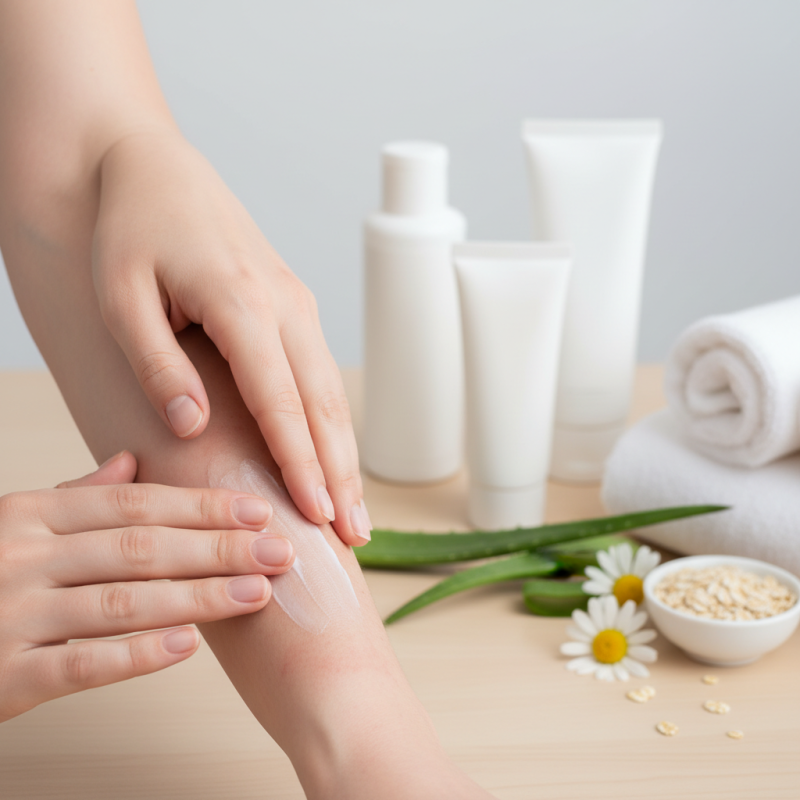
Eczema is a common skin condition that many people face. It can cause dry, itchy, and inflamed skin. Understanding the causes helps in managing it effectively. Eczema often results from a combination of genetic and environmental factors. For some, it starts in childhood. Others may experience it later in life.
Common triggers include allergens like dust mites or pet dander. Weather changes can also worsen symptoms. Sometimes, stress plays a role too. Many people don’t realize how much their emotional well-being impacts their skin. Even minor irritants, such as certain fabrics or soaps, can trigger flare-ups.
Recognizing these triggers is key to managing eczema. Keeping a journal can help identify what worsens your condition. Noticing patterns is crucial. This reflection often leads to better awareness. However, everyone’s experience is unique. What works for one person might not work for another. Finding effective solutions can take time and persistence.
When choosing the best eczema care lotion, it's essential to look for key ingredients. Natural moisturizers like shea butter and coconut oil are excellent. They provide hydration without irritation. Seek out lotions with ceramides, too. These help restore the skin barrier, making it less prone to flare-ups.
Another critical ingredient is colloidal oatmeal. It soothes itching and provides a protective layer on the skin. Lotions fortified with vitamins, such as vitamin E, can also aid healing. They nourish the skin and enhance its resilience. Always test a small amount first. Skin reactions can vary greatly.
Tip: Remember that what works for one may not work for another. Keep a journal of your experiences with different lotions. It can help you track what promotes comfort. Also, consider consulting a dermatologist. They can provide guidance tailored to your specific skin needs.
| Ingredient | Benefits | Common Sources |
|---|---|---|
| Ceramides | Help restore the skin barrier and retain moisture | Sphingolipids, wheat germ, rice bran |
| Colloidal Oatmeal | Provides soothing relief from itching and irritation | Processed oats |
| Shea Butter | Moisturizes and promotes healing of the skin | Karite tree nuts |
| Glycerin | Attracts moisture to the skin and helps with hydration | Vegetable oils, synthetic sources |
| Aloe Vera | Soothes inflammation and provides moisture | Aloe plant |
| Zinc Oxide | Protects and promotes healing of the skin | Mineral sources |
When dealing with eczema, choosing the right lotion is crucial. Look for creams rich in natural ingredients like shea butter or aloe vera. These components provide hydration and soothe irritation. Many lotions also contain essential oils, which can further enhance their calming effects. However, some people may have sensitivities to certain ingredients. Always patch test before applying widely.
Another important aspect is the lotion's consistency. Thicker creams often provide a stronger barrier against environmental factors. They may lock in moisture effectively. However, they can feel greasy and uncomfortable for some users. It's a trade-off that requires consideration. Lightweight lotions can absorb quickly but may need to be reapplied often.
In terms of fragrance, many lotions avoid artificial scents. Scented products may trigger allergies or worsen symptoms for sensitive skin. Be cautious about ingredients listed as "fragrance" or "parfum." Ultimately, the best eczema care lotion differs for everyone. Experimentation and patience are key. Tracking your skin’s reactions can help you find the most suitable option for your needs.
When treating eczema, the application of lotion is crucial. Start by washing your hands before applying any product. Clean, even skin helps the lotion absorb better. Squeeze out a small amount. Too much product can feel greasy, while too little may not provide enough relief.
Apply the lotion gently. Use circular motions to cover affected areas. Don't rush; take the time to massage it in. It might take a bit longer, but thorough application can enhance results. Remember to apply it after bathing, when skin is still damp. This helps lock in moisture effectively.
Evaluate your routine regularly. If you notice that a lotion isn't working, don't hesitate to switch. Use a patch test on small areas if trying new products. This will help prevent any adverse reactions. Finding the best lotion can be a journey. Keep notes on how different products affect your skin. Adjusting your technique can also aid in better results. Each skin type is unique; what works for one may not work for another.
When dealing with eczema, choosing the right treatment is crucial. Natural treatments often emphasize herbal ingredients. They can be gentle on the skin and less likely to cause irritation. Common natural remedies include coconut oil and aloe vera. Many people appreciate the soothing properties of these ingredients. However, natural options may not work for everyone. Some individuals may find they need stronger interventions.
On the other hand, medicinal treatments are designed for deeper issues. They often contain corticosteroids or other active compounds. These can quickly reduce inflammation and itching. But, they can also come with side effects, such as skin thinning. Regular use might lead to dependency. This is something to consider. Some people might find it hard to stop using them.
Eczema care is personal. It requires trial and error to discover what works best. You might experience phases of relief followed by flare-ups. This can be frustrating. Finding a balance between natural and medicinal solutions might take time. A consistent skincare routine is often key. Tracking your skin's response can bring insights over time. It's important to listen to your body and reflect on your choices.
: Eczema is a common skin condition causing dry, itchy, and inflamed skin.
Eczema results from genetic and environmental factors. Triggers vary for each person.
Keep a journal to track flare-ups. Noticing patterns helps in understanding your triggers.
Wash your hands first. Apply a small amount using gentle, circular motions.
Apply lotion after bathing when your skin is still damp. It locks in moisture effectively.
Natural remedies, like coconut oil, can be soothing. However, they may not work for everyone.
Medicinal treatments can reduce inflammation quickly, but they may thin the skin over time.
Regularly assess products and techniques. If something isn’t working, consider making adjustments.
Noting how your skin reacts to treatments helps identify what is effective for you.
Eczema management is personal and may require trial and error. Stay patient and reflective.
Eczema Care Lotion is essential for managing the discomfort associated with eczema, a chronic skin condition characterized by inflammation, itching, and irritation. Understanding the causes and symptoms of eczema is crucial for effective treatment; common triggers include allergens, stress, and environmental factors. When selecting an Eczema Care Lotion, it’s important to look for key ingredients like ceramides, hyaluronic acid, and colloidal oatmeal, which help restore the skin barrier and provide soothing relief.
In addition to choosing the right product, application techniques significantly impact the effectiveness of eczema treatments. For optimal results, it's advisable to apply the lotion immediately after bathing and reapply it throughout the day. Furthermore, individuals may choose between natural and medicinal treatments, each offering unique benefits. Incorporating a well-formulated Eczema Care Lotion into a skincare routine can provide significant relief and improve the quality of life for those dealing with this condition.

Aura Beauty