In the quest for vibrant skin, many wonder, "why does skin look dull and tired?" Renowned dermatologist Dr. Sarah Johnson explains, "Dull skin often results from a combination of environmental factors and lifestyle choices." Her insights resonate deeply with those seeking answers.
Several reasons contribute to the lackluster appearance of skin. Poor hydration plays a crucial role. When the skin lacks moisture, it can appear dry and lifeless. Additionally, insufficient sleep affects skin regeneration. Environmental stressors, like pollution, can damage skin cells, making them appear tired and worn out.
Another factor is diet. A lack of essential vitamins can lead to a dull complexion. It’s easy to overlook the impact of daily habits. Neglecting skincare routines can also exacerbate this issue. Reflecting on these points may encourage individuals to reassess their daily practices, leading to healthier, more vibrant skin.
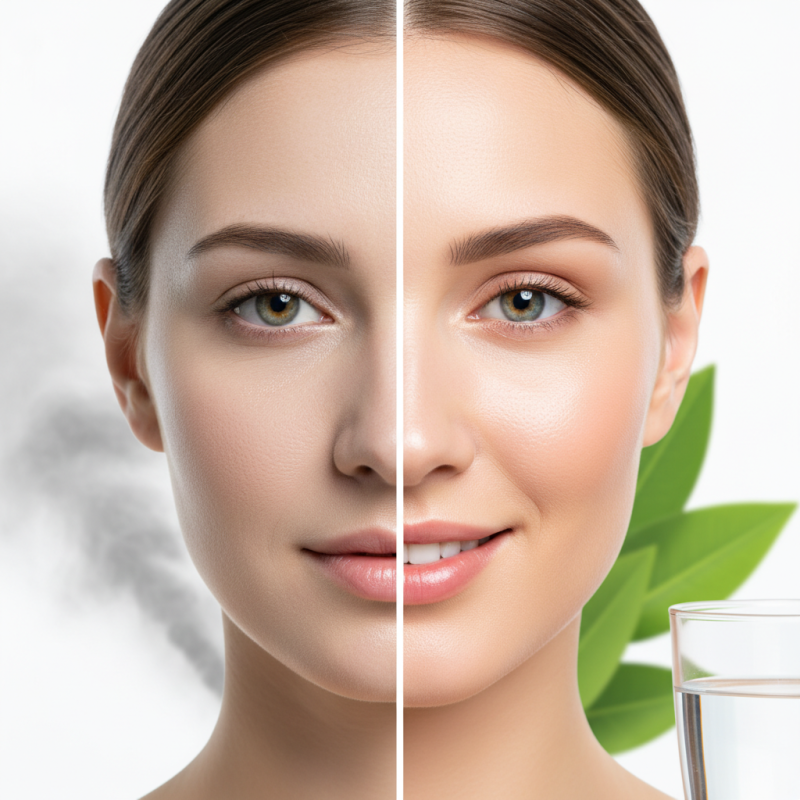
Dull and tired skin can be disheartening. Several factors contribute to this common issue. Lack of hydration plays a major role. When skin is dehydrated, it appears lackluster. Ensure you drink enough water daily. This simple change can brighten your complexion.
Stress is another culprit. It affects your skin's health. High stress levels can lead to breakouts and dullness. Incorporating relaxation techniques like yoga or meditation can help manage stress. Take a few minutes each day to breathe and unwind.
Poor diet also impacts your skin. Foods high in sugar and processed ingredients can lead to a tired appearance. Instead, focus on nutritious meals rich in antioxidants. Incorporate fruits and vegetables. They nourish your skin from within. Remember, small dietary adjustments can lead to noticeable improvements.
Dehydration plays a significant role in skin health. When your body lacks water, skin may become dry and lose its natural glow. This can make skin look dull and tired. Cellular processes slow down without proper hydration. Consequently, your skin may not shed dead cells as efficiently.
Tips: Drink at least eight glasses of water daily. This simple step can improve hydration. Consider incorporating hydrating foods like cucumbers and watermelon into your diet. Moisturizers with hyaluronic acid can also help. These products attract and hold moisture in your skin.
Dehydrated skin often feels rough to the touch. You might notice increased flakiness and tightness. Regularly applying a gentle exfoliant can assist in sloughing away dead skin. However, be cautious not to over-exfoliate. Balance is key.
Tips: Use a humidifier at home, especially during dry seasons. It can maintain moisture levels in the air. Also, avoid hot showers, as they can strip skin of natural oils. Instead, opt for lukewarm water to protect your skin's barrier. Remember, consistent hydration is crucial for vibrant skin.
Stress and lack of sleep can severely impact your skin's appearance. Research shows that stress triggers the release of cortisol, a hormone that can lead to increased oil production. This may result in acne and an uneven skin tone. Moreover, prolonged stress can lead to dehydration, making the skin appear dull and lifeless.
Sleep deprivation also plays a crucial role. According to studies, people who consistently get less than seven hours of sleep show 30% more signs of skin aging. Under-eye bags, puffiness, and a lackluster complexion often follow. When your body does not rest, it struggles to repair skin during the night. This lack of rejuvenation can lead to inflammation and poor circulation, further amplifying the tired appearance.
Think about your daily habits. How often do you sacrifice sleep for other activities? It's an easy habit to fall into, but the long-term effects can be visibly damaging. Stress management techniques, such as mindfulness and physical activity, can be beneficial, but they require consistent effort. Reflecting on how stress affects your skin may help motivate you to make necessary changes. Your skin deserves better.
A poor diet can severely affect your skin brightness. Research indicates that a lack of essential nutrients leads to dull and tired skin. For instance, deficiencies in vitamins A, C, and E can hinder your skin's natural glow. These vitamins are critical for cell regeneration and maintaining hydration. When you neglect these nutrients, your skin may appear sallow and lifeless.
Hydration is another key factor. According to dermatology studies, dehydrated skin shows signs of fatigue. Drinking enough water helps flush toxins and maintains elasticity. It's easy to overlook hydration in busy lives. Aim for at least eight glasses of water daily. Incorporate more fruits and vegetables to boost your vitamin intake. Citrus fruits, leafy greens, and nuts can significantly enhance your skin's vitality.
Tips: Consider adding a multivitamin to your routine if your diet falls short. A balanced intake of omega-3 fatty acids can also improve your skin texture. Small dietary changes can yield visible results, reflecting in your skin.
Environmental factors play a significant role in dulling your skin's glow. Pollutants in the air can lead to a buildup of toxins. This buildup clogs your pores and dulls skin texture. Exposure to UV rays is another culprit. It damages skin cells and depletes natural radiance.
Weather changes can also affect your skin. Cold winds can strip moisture, making it look lifeless. On the other hand, heat and humidity can lead to excess oil production, resulting in dullness and breakouts. Stress is often overlooked but can cause your skin to appear sallow. A lack of sleep further contributes to this tired look.
In addition to these external factors, poor diet plays its part. A lack of vitamins and antioxidants can lead to a tired complexion. Hydration is often neglected, leading to dry, lifeless skin. Addressing these factors may take time and reflection. Recognizing their impact on your skin can guide you toward healthier habits. Prioritizing skin health is essential for restoring your natural glow.
This chart illustrates the environmental factors affecting skin dullness and tiredness. The data represents the percentage contribution of each factor to skin health.
: Dehydration can make skin look dull and tired. It slows cellular processes and affects dead cell shedding.
Drink at least eight glasses of water daily. Include hydrating foods like cucumbers and watermelon in your diet.
Dehydrated skin may feel rough, appear flaky, and feel tight. These signs indicate a lack of moisture.
Stress triggers cortisol, which increases oil production. This can lead to acne and uneven skin tone.
Sleep deprivation can cause aging signs. Dark circles, puffiness, and a dull complexion often result from poor sleep.
A poor diet can lead to dull skin. Lack of vitamins A, C, and E results in a sallow appearance.
Yes, drinking more water and eating fruits can help. Adding a multivitamin may also improve skin texture.
Practice mindfulness and engage in physical activities. These techniques can require consistent effort but are beneficial.
Avoid hot showers as they strip natural oils. Over-exfoliating can also damage the skin's barrier.
Essential nutrients support cell regeneration. Deficiencies can hinder hydration and result in lifeless skin.
The article "10 Reasons Your Skin Looks Dull and Tired Why Is That?" explores various factors that contribute to the lackluster appearance of our skin. One major reason why does skin look dull and tired is dehydration, which can lead to a less plump and radiant complexion. Additionally, stress and insufficient sleep play a crucial role in diminishing skin vibrancy, as they can disrupt the skin’s natural repair processes.
Furthermore, poor nutrition can impact skin brightness; a diet lacking in essential vitamins and minerals may leave the skin appearing less lively. Lastly, environmental factors such as pollution and UV exposure can also rob the skin of its natural glow. By understanding these contributors, we can take proactive measures to revitalize our skin and restore its healthy appearance.

Aura Beauty