After washing, your cheeks may feel stretched, rough, or strangely “squeaky.” This common sensation raises an important question: why does my skin feel tight after cleansing? Usually, cleansing has removed more than visible dirt. It may also reduce surface lipids, natural moisturizing factors, and water from the outer skin layer.
The American Academy of Dermatology Association recommends gentle, fragrance-free cleansers for dry or sensitive skin. It also advises using lukewarm water and applying moisturizer immediately after washing. These details matter because hot water and aggressive rubbing can increase dryness. DermNet NZ similarly identifies harsh soaps, detergents, and frequent washing as common causes of irritant contact dermatitis. Your cleanser may be the problem. Or your routine may be too intense.
This guide explores seven practical reasons behind post-cleansing tightness. These include a disrupted skin barrier, high cleanser pH, strong surfactants, hot water, over-cleansing, dehydration, and underlying sensitivity. Research published in the International Journal of Cosmetic Science also shows that cleanser formulation affects barrier comfort, not merely cleanliness. Still, one explanation rarely fits everyone. Tightness can sometimes signal eczema, irritation, or an allergy rather than simple dryness.
Notice the timing. Does tightness appear within minutes? Are there flakes, redness, burning, or itching? Those clues can reveal more than product labels. A softer towel and a smaller amount of cleanser may help. Not always.
The goal is not perfectly “squeaky-clean” skin. Healthy skin should feel comfortable, flexible, and calm after cleansing.
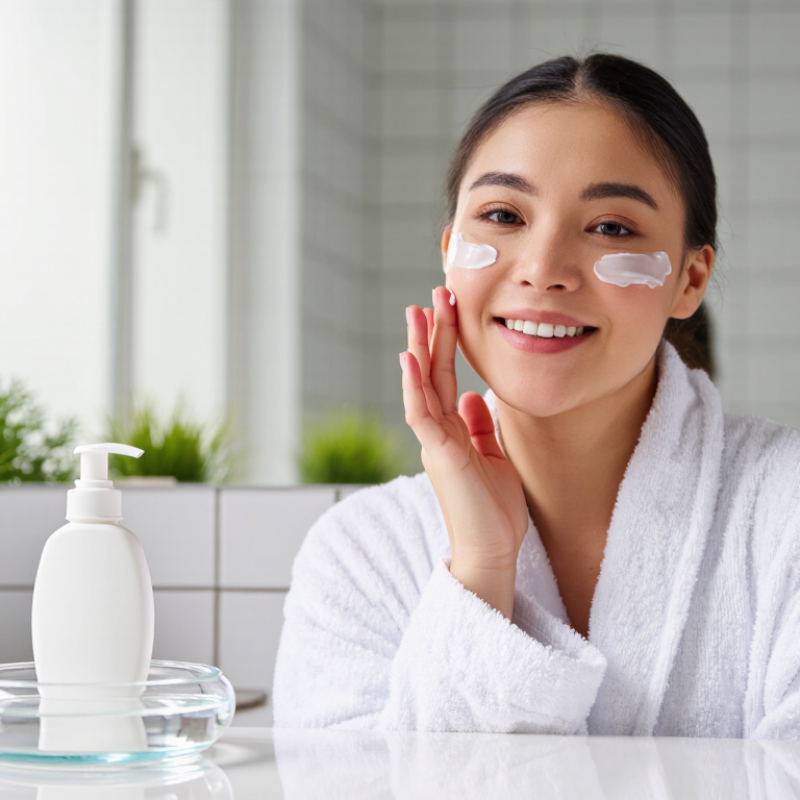
That tight, polished feeling after cleansing often signals temporary barrier stress. Many people mistake it for extra cleanliness. Healthy skin contains lipids, water, and protective proteins that reduce moisture loss. Its surface pH commonly remains mildly acidic, around 4.7–5.5. This is sometimes called the acid mantle. When cleansing raises pH or removes too many surface oils, the skin can feel dry, stretched, or unusually sensitive.
Water temperature matters. Hot water can increase discomfort. Strong surfactants may wash away protective lipids, especially after repeated cleansing. A tight feeling does not always mean damage, though. Skin type, climate, cleansing time, and existing conditions can change the experience. A useful limitation is that pH is only one piece of the explanation. Tightness can also reflect dehydration, irritation, or an impaired barrier. The science is clear, but individual responses are not perfectly predictable.
Use lukewarm water and cleanse gently for a short period. Avoid scrubbing with rough cloths. Pat the face dry, leaving slight moisture behind. Apply a fragrance-free moisturizer soon afterward to support the barrier. If possible, check whether tightness lasts longer than several minutes. Persistent burning, redness, scaling, or itching deserves professional assessment. Sometimes the cleanser is not the only issue. Over-cleansing may be the overlooked habit.
| Reason | What May Be Happening | Common Clues | Practical Response |
|---|---|---|---|
| 1. Cleansing removes too much surface oil | Surfactants can remove sebum and some of the lipid mixture that helps reduce water loss from the outermost skin layer. A clean feeling can therefore become a dry, stretched feeling. | Tightness appears within minutes, especially on the cheeks or around the mouth. The skin may feel rough but show little visible redness. | Use a gentle, fragrance-free cleanser and avoid washing until the skin feels “squeaky.” Apply a moisturizer while the skin is still slightly damp. |
| 2. The cleanser is too alkaline or irritating | Healthy skin commonly has a mildly acidic surface pH of approximately 4.7–5.5. A high-pH soap or irritating formula may temporarily disturb the acid mantle and increase discomfort. | Stinging, burning, redness, or persistent tightness may occur after rinsing. Symptoms can be stronger with traditional soap or heavily fragranced products. | Choose a mild cleanser formulated near the skin’s naturally acidic range. Stop products that repeatedly sting, burn, or cause redness. |
| 3. Water is too hot | Hot water can increase evaporation and may worsen dryness or irritation by removing surface lipids more aggressively than lukewarm water. | The face feels flushed or tight after rinsing, and dryness is more noticeable in cold or dry weather. | Wash with lukewarm water, keep cleansing brief, and pat rather than rub. Apply a barrier-supportive moisturizer promptly afterward. |
| 4. Cleansing is too frequent or too vigorous | Repeated washing, scrubbing, cleansing brushes, or rough towels can create cumulative irritation and interfere with the outer skin barrier. | Tightness becomes more frequent over time and may be accompanied by flaking, sensitivity, or small areas of redness. | Limit cleansing to the level your skin needs, usually once or twice daily. Use fingertips and avoid abrasive tools or vigorous towel drying. |
| 5. Low humidity or dry environmental conditions | Dry air increases transepidermal water loss, meaning more water moves from the skin through the outer barrier into the atmosphere. | Tightness is worse during winter, air-conditioned travel, indoor heating, or exposure to windy conditions. Fine flaking may appear. | Use a richer moisturizer when needed, reduce exposure to very dry air, and consider a humidifier maintained with regular cleaning. |
| 6. The skin barrier is already stressed | Eczema, irritant dermatitis, acne treatments, exfoliating acids, retinoids, or overuse of active products can make the barrier more vulnerable to water loss and irritation. | Products that were previously comfortable may sting. There may be peeling, persistent redness, itchiness, or increased sensitivity. | Temporarily simplify the routine: gentle cleansing, moisturizer, and daytime sun protection. Reintroduce active ingredients gradually after comfort returns. |
| 7. The product leaves a temporary film or “shrink-wrap” sensation | Some cleansers contain ingredients that create a strong after-feel as water evaporates or as the product’s film dries. This sensation does not always indicate improved cleanliness. | The skin feels pulled or unusually smooth immediately after drying, even without visible flaking or inflammation. | Compare the sensation with a gentler cleanser for several days. Judge the product by comfort, lack of irritation, and skin condition—not by squeakiness. |
Surfactants can remove sebum and protective lipids from the skin surface. Water then escapes more easily.
Not necessarily. It may indicate excessive lipid removal and a disturbed skin barrier.
Transepidermal water loss, or TEWL, describes moisture escaping through the skin barrier. Higher TEWL often feels dry or tight.
Yes. Hot water can soften surface lipids and increase moisture loss. Lukewarm water is usually gentler.
Keep it brief. Longer washing gives surfactants more time to disturb the protective barrier.
Place your hand under the stream first. If it feels hot there, it may be too hot for your face.
No. Scrubbing may increase irritation. Pat your face gently with a towel instead.
Use lukewarm water, cleanse briefly, and consider a low-irritant, fragrance-free formula. Reduce washing if needed.
The cleanser may not be the only cause. Water temperature, washing time, humidity, skin conditions, and pH can also matter.
Persistent burning, scaling, cracking, or unusual sensitivity deserves professional assessment. My earlier assumptions were too simple.
If you often wonder, “why does my skin feel tight after cleansing,” the sensation usually points to temporary disruption of the skin barrier rather than effective cleansing. A healthy barrier helps retain moisture and typically has a mildly acidic pH of about 4.7–5.5. Strong surfactants may remove both dirt and protective lipids, increasing transepidermal water loss and leaving the skin feeling dry, stretched, or uncomfortable.
Hot water and long cleansing sessions can intensify this effect by weakening barrier function. Products containing fragrance, drying alcohol, or harsh preservatives may also cause irritation, especially for sensitive skin. Existing dry-skin conditions can make cleansing-related tightness more noticeable and persistent. To reduce discomfort, cleanse with lukewarm water, keep washing brief, choose a gentle formula, and apply a moisturizer soon afterward. If tightness continues, becomes painful, or is accompanied by redness, flaking, or itching, professional advice may help identify an underlying skin concern.

 Aura Beauty