A strong skin barrier helps skin retain moisture and defend against everyday irritants. When it is weakened, the face may feel tight, sting after cleansing, or develop rough, flaky patches. These signs are easy to dismiss, especially during cold weather or after using a new active product.
This guide explores how to strengthen the skin barrier through gentle, evidence-informed habits. Dermatologists commonly recommend lukewarm water, mild fragrance-free cleansers, and moisturizers containing ceramides, glycerin, or petrolatum. Applying moisturizer while skin is still slightly damp can make the routine feel more comfortable. Daily sunscreen also helps reduce environmental stress from ultraviolet exposure.
Keep it simple.
I used to assume that more exfoliation meant smoother skin. That approach often caused more redness instead. Many popular skincare tips sound convincing, but not every viral ingredient suits every face. Barrier care usually depends on consistency, not an aggressive product rotation. Sleep, indoor humidity, stress, and climate may also influence how skin feels, although their effects differ between individuals.
The following sections will compare practical routines, useful ingredients, common mistakes, and signs that professional advice may be needed. Persistent burning, swelling, cracking, or worsening rashes deserve attention from a qualified dermatologist. A careful routine can support healthier-looking skin, but it cannot replace diagnosis or treatment for an underlying condition.
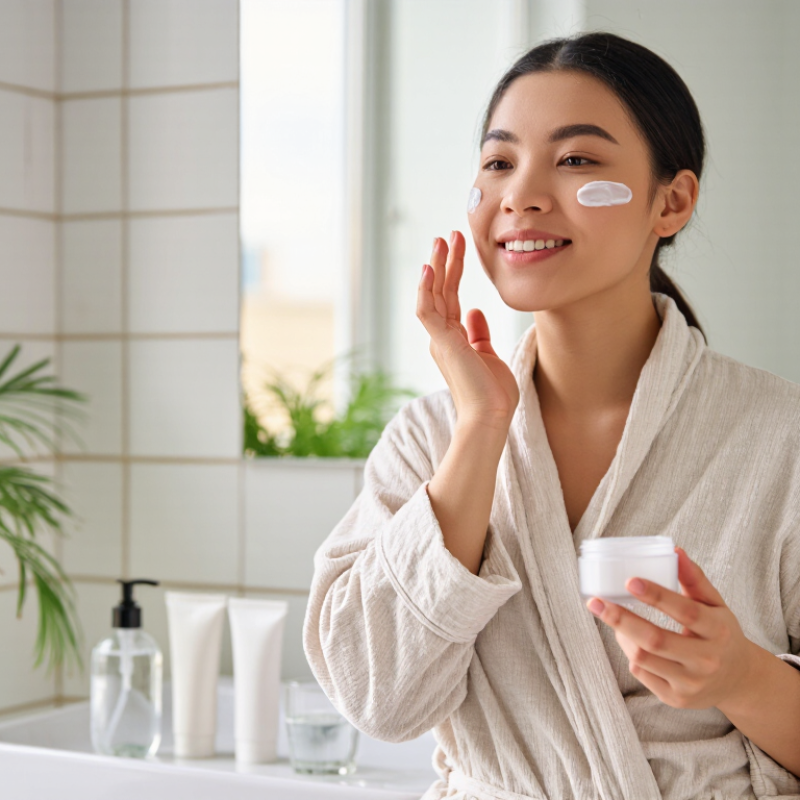
Top Ways to Strengthen Your Skin Barrier Naturally?
The skin barrier is the outer defense system of your skin. It is mainly formed by corneocytes, lipids, and natural moisturizing factors. Think of it as a carefully built brick wall. The cells are bricks, while fats help seal the gaps. This structure limits water loss and blocks irritants, allergens, and some microbes. When the barrier weakens, skin may feel tight, rough, itchy, or unusually sensitive. Redness can appear too. Water loss is often the hidden problem.
A gentle routine can support barrier function. Wash with lukewarm water, not steaming water, and use a mild, fragrance-free cleanser. Pat your face dry. Do not rub it like a wet glass. Apply moisturizer while the skin is still slightly damp. Ingredients such as glycerin, colloidal oatmeal, squalane, and ceramides may help reduce dryness. A balanced diet, adequate sleep, and enough water also support overall skin health, although drinking extra water cannot repair every barrier problem.
I used to think stronger cleansing meant cleaner skin. That belief was wrong. Frequent scrubbing, harsh acids, and very hot showers can remove protective oils. Introduce one new product at a time, and test it on a small area first. Natural ingredients are not automatically gentle; essential oils can still irritate sensitive skin. If burning, swelling, cracking, or persistent redness continues, consult a qualified dermatologist. Sometimes, less care is better care.
| Natural or Gentle Approach | How It Supports the Skin Barrier | Practical Use | Recommended Frequency | Evidence Strength | Important Considerations |
|---|---|---|---|---|---|
| Use a mild, fragrance-free cleanser | Removes sweat, excess oil, and pollution while helping reduce the disruption of surface lipids and natural moisturizing factors. | Use lukewarm water and cleanse gently without scrubbing. A morning water rinse may be sufficient for some dry or sensitive skin types. | Usually once or twice daily, depending on skin type, climate, and activity level. | Strong | Avoid harsh detergents, strong fragrances, and very hot water if the skin feels tight or irritated. |
| Apply moisturizer after bathing | Moisturizers reduce water loss from the outer skin layer and help maintain flexibility and comfort. | Apply within a few minutes after cleansing while the skin is still slightly damp. Creams and ointments are generally more protective than lightweight lotions. | At least once daily and whenever the skin feels dry. | Strong | Ingredients such as glycerin, petrolatum, ceramides, and hyaluronic acid can support hydration through different mechanisms. |
| Protect skin from ultraviolet radiation | Ultraviolet exposure contributes to inflammation, oxidative stress, premature aging, and impaired skin function. | Seek shade, wear protective clothing, and use a broad-spectrum sunscreen with SPF 30 or higher on exposed skin. | Daily when exposed outdoors; reapply during prolonged outdoor activity according to product directions. | Strong | Sun protection is essential even when the main goal is barrier comfort rather than cosmetic anti-aging. |
| Avoid over-exfoliation | Frequent physical scrubbing or strong chemical exfoliation can increase irritation and temporarily weaken the protective outer layer. | Pause exfoliation when there is stinging, peeling, redness, or unusual dryness. Reintroduce slowly only if the skin tolerates it. | Individualized; sensitive or compromised skin may need to avoid exfoliation temporarily. | Strong | Exfoliation is not required to maintain a healthy skin barrier. |
| Choose barrier-supportive ingredients | Humectants attract water, emollients smooth gaps between surface cells, and occlusives help reduce transepidermal water loss. | Look for glycerin, ceramides, fatty acids, cholesterol, dimethicone, or petrolatum in a simple moisturizer. | Use consistently, especially after cleansing and before sleep if dryness is present. | Strong | A simple formula is often preferable when the skin is reactive. Introduce one new product at a time. |
| Keep showers short and comfortably warm | Long, hot showers can remove surface oils and increase dryness, tightness, and irritation. | Use warm rather than hot water, avoid vigorous rubbing, and pat the skin dry with a soft towel. | During every bath or shower. | Moderate | The effect can be more noticeable in cold, dry weather or in people with eczema-prone skin. |
| Maintain balanced indoor humidity | Very dry air can increase water loss from the skin, particularly during colder months or when indoor heating is used. | Consider a clean humidifier and avoid excessive indoor dryness. Clean the device regularly to limit microbial growth. | As needed during dry seasons or in arid indoor environments. | Moderate | A comfortable indoor humidity range is commonly around 30% to 50%; excessive humidity may encourage mold growth. |
| Eat a varied, nutrient-dense diet | Adequate protein, essential fats, vitamins, and minerals support normal skin structure and repair. | Include vegetables, fruit, legumes, whole grains, nuts, seeds, fish or other protein sources, according to individual dietary needs. | Consistently as part of an overall balanced eating pattern. | Moderate | Food alone cannot replace appropriate cleansing, moisturizing, sun protection, or medical treatment. |
| Drink according to thirst and needs | Normal hydration supports overall body function, but drinking excessive water does not directly repair a damaged skin barrier. | Drink regularly and increase fluids when appropriate for heat, exercise, or illness, unless a clinician has advised fluid restriction. | Daily, guided by thirst and personal health needs. | Limited | Topical moisturization is usually more directly relevant to dry skin than increasing water intake alone. |
| Reduce avoidable irritants | Repeated exposure to fragrances, solvents, detergents, smoke, and friction can trigger inflammation and discomfort. | Use protective gloves for wet work, choose fragrance-free laundry products, and avoid tight or rough fabrics when the skin is sensitive. | Whenever exposure is likely. | Moderate | If a product repeatedly causes burning, itching, or redness, discontinue it and consider professional advice. |
| Support healthy sleep and stress management | Sleep and stress regulation are associated with immune function and skin recovery, although they are not substitutes for topical care. | Maintain a regular sleep schedule and use manageable practices such as gentle exercise, breathing exercises, or relaxation routines. | Daily or as part of a regular routine. | Emerging | The relationship between stress, sleep, and skin symptoms varies among individuals. |
| Patch-test new skincare products | Testing a product on a small area may help identify irritation or allergic reactions before wider use. | Apply a small amount to a limited area and observe for delayed redness, itching, swelling, or burning over the next several days. | Before introducing a new leave-on product, especially for reactive skin. | Moderate | Patch testing cannot guarantee that a product will never cause a reaction on the face or body. |
Note: Persistent redness, painful cracking, oozing, severe itching, or a rash that does not improve may require evaluation by a qualified healthcare professional.
Top Ways to Strengthen Your Skin Barrier Naturally
Many everyday habits quietly weaken the skin barrier. Hot showers can remove protective oils, especially when they last fifteen minutes or longer. Scrubbing with rough cloths may create tiny irritations that sting later. I used to mistake that tight feeling for cleanliness. It was not. Dermatology guidance generally favors lukewarm water, gentle cleansing, and patting the skin dry.
Over-exfoliating is another common problem. Using several acids, scrubs, or strong treatments can leave skin red and unusually sensitive. Fragrance, alcohol-heavy products, and frequent product changes may also trigger discomfort. Cold wind, dry indoor heating, and skipping moisturizer after washing can increase water loss. Skin needs consistency more than a crowded shelf. Still, individual reactions differ, so persistent burning or cracking deserves professional medical advice.
Tips: Keep showers brief and lukewarm. Cleanse only where needed, such as the face, underarms, and feet. Apply a plain moisturizer while skin remains slightly damp. Wear gloves during cold weather and household cleaning. Change one habit at a time, then observe redness, tightness, and flaking for several days. I do not always follow this perfectly, but tracking small changes makes mistakes easier to notice.
The chart summarizes evidence-informed daily habits that may weaken or support the skin barrier. Gentle cleansing, lukewarm water, regular moisturization, and daily broad-spectrum sunscreen use are consistently recommended by dermatology guidance. The scores represent relative practical importance, not clinical measurements or guaranteed outcomes.
A strong skin barrier begins with a calmer cleansing routine. Use lukewarm water, not hot water, which can increase dryness and irritation. Choose a fragrance-free, mild cleanser with a creamy or low-foaming texture. Massage it gently for about twenty seconds, then rinse without scrubbing. In the morning, water alone may be enough for dry or sensitive skin. After exercise, cleanse soon afterward to remove sweat, salt, and sunscreen residue. Over-cleansing is easy to do.
Moisturize while your skin is still slightly damp. This helps reduce water loss from the surface. Look for formulas containing glycerin, ceramides, or fatty acids, since these ingredients support hydration and barrier function. Apply a thin layer to your face and a little extra around the nose, cheeks, and lips. Those areas often feel tight first. Press the product in gently. Rubbing can make redness worse.
Dermatologists commonly advise introducing one new product at a time. Patch-test it on a small area for several days, especially if your skin reacts easily. I have sometimes mistaken a tingling sensation for effectiveness; it can simply signal irritation. If burning, cracking, or persistent redness continues, stop the product and seek professional advice. Keep cleansing simple for a week before changing anything else. Consistency matters, although real skin rarely improves perfectly every day.
A resilient skin barrier begins with everyday nourishment, not a miracle product. I have noticed fewer tight, flaky patches when meals include eggs, lentils, oily fish, vegetables, and fruit. Protein supplies amino acids for structural skin proteins. Vitamin C supports collagen formation. Essential fats help maintain flexible lipid layers. The evidence is promising, but not perfect.
Hydration matters too. The National Academies recommends about 2.7 litres of total water daily for adult women and 3.7 litres for men, including water from food. Needs rise with heat, exercise, illness, and pregnancy. Sip steadily. Pale-yellow urine can offer a practical, imperfect guide. A small clinical study published in Clinical, Cosmetic and Investigational Dermatology reported improved skin hydration after increased water intake, but larger trials are still needed.
Choose water-rich foods, such as cucumber, oranges, soups, and berries. Excessive alcohol and highly restrictive diets may work against skin comfort. Supplements deserve caution. High-dose zinc or vitamin A can cause harm without correcting a deficiency. The American Academy of Dermatology recommends discussing supplements with a qualified healthcare professional, especially during pregnancy or while taking medication. My own weak point is consistency: I often remember hydration only after my lips feel dry. A simple bottle beside the desk helps. Skin repair is gradual. Gentle eating habits matter.
A simple natural skin barrier routine begins with less, not more. Cleanse with lukewarm water and a fragrance-free, gentle cleanser. Hot water can leave skin tight and uncomfortable. Pat your face dry instead of rubbing it. While the skin is still slightly damp, apply a plain moisturizer with ingredients such as glycerin, oat, or plant-derived squalane. These ingredients help reduce water loss without making the routine complicated.
Tips: Keep cleansing to morning and evening, unless sweat or sunscreen requires extra care. Patch-test new products on your jawline for several days. Add only one product at a time. A broad-spectrum sunscreen also protects the barrier from daily ultraviolet exposure. Natural ingredients are not automatically gentle. Essential oils and rough scrubs may irritate sensitive skin.
One honest lesson is that a perfect routine is difficult to maintain. I sometimes notice that adding more steps creates more redness, not better skin. Reduce products when stinging, flaking, or persistent dryness appears. Give the routine two to four weeks before judging its effect. If burning or inflammation continues, consult a qualified dermatologist. Skin can be unpredictable.
Showers lasting fifteen minutes or longer may remove protective oils. Use lukewarm water instead. Keep it brief.
Not necessarily. Tightness may indicate irritation or excess oil removal. I used to mistake it for cleanliness too.
Avoid frequent acids, scrubs, and strong treatments when skin feels red or sore. Sometimes, stopping is wiser.
Pat the skin dry gently. Apply a plain moisturizer while your skin remains slightly damp.
Glycerin, oat, and plant-derived squalane may help reduce water loss. Simple formulas are often easier to tolerate.
Yes. Essential oils and rough scrubs can cause discomfort. Natural does not always mean gentle.
Wear gloves outside and during household cleaning. Cold wind and dry indoor heating can increase water loss.
Apply it to your jawline for several days. Add only one product at a time, then watch for redness, tightness, or flaking.
Consult a qualified dermatologist if burning, cracking, or inflammation continues. Skin can be unpredictable.
The skin barrier is the outer layer that helps retain moisture and protect the skin from irritants, pollution, and environmental stress. Learning how to strengthen the skin barrier begins with recognizing habits that may weaken it, such as over-cleansing, using very hot water, exfoliating too often, or exposing the skin to harsh products. A gentle approach is essential: cleanse with lukewarm water, avoid aggressive rubbing, and apply a simple moisturizer while the skin is still slightly damp.
Healthy skin also benefits from adequate hydration and a balanced diet containing nourishing foods, including vegetables, fruits, proteins, and healthy fats. A simple natural routine can include gentle cleansing, consistent moisturizing, sun protection, sufficient water, and enough rest. By reducing unnecessary irritation and supporting the skin from both the outside and inside, the barrier can gradually become more comfortable, resilient, and better able to maintain its natural moisture.

Aura Beauty