How to Fix Uneven Skin Texture What Causes It?

Time:2026-09-26 Author:Charlotte
0%

Uneven skin texture can appear as rough patches, tiny bumps, enlarged-looking pores, or shallow acne marks. It may be easiest to see in bright daylight, when shadows catch on the cheeks or forehead. For some people, the change feels sudden; for others, it develops gradually. It can affect confidence, but it does not automatically mean something is wrong. Skin naturally has pores, lines, and variation.

So, what causes uneven skin texture? Common contributors include clogged pores, acne, dry or irritated skin, sun exposure, and changes in collagen as skin ages. Certain products or frequent exfoliation may also leave skin feeling rough or sensitive. It is tempting to blame one new product, but that explanation may be wrong; several factors can overlap. The timing, location, and feel of the texture can offer clues, though they cannot confirm a diagnosis.

This guide explains practical ways to improve texture without promising an overnight fix. Gentle cleansing, moisturizer, and daily sun protection are sensible starting points for many routines. Add active ingredients cautiously, and stop if burning or persistent redness develops. More products do not always mean better results. Deep or painful acne, sudden changes, or irritation that does not settle deserves advice from a qualified dermatologist. Progress can be slow, and even careful routines may not smooth every mark completely.
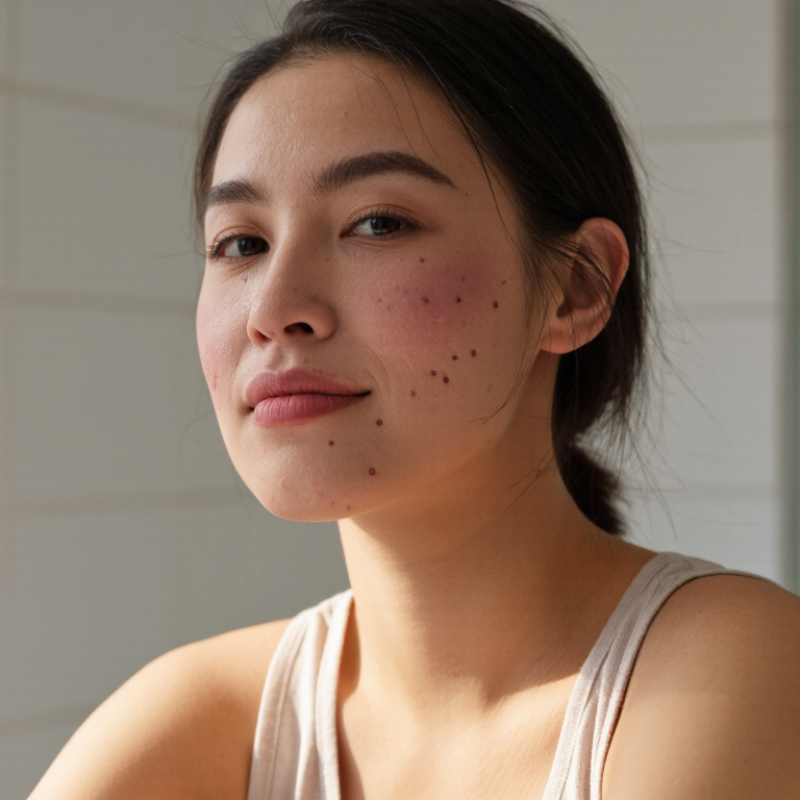
How to Fix Uneven Skin Texture What Causes It?

Define Uneven Skin Texture and Identify Its Common Surface Changes

Uneven skin texture describes a surface that looks or feels less smooth than the surrounding skin. It is a description, not a medical diagnosis. You might notice tiny bumps along the forehead, rough or flaky patches near the nose, visible pores, or shallow dents left after acne. Raised scars can create texture too. Small changes matter. Red or brown marks may look uneven, but they affect color rather than the skin’s actual surface.

Common contributors include clogged pores, inflammation, dryness, sun exposure, and the way skin heals after a breakout. The American Academy of Dermatology reports that acne affects up to 50 million people in the United States each year; acne-related inflammation can leave scars or persistent unevenness. Texture can also vary with age and skin type. It is tempting to blame every rough patch on acne, but that explanation is not always right. A new, painful, itchy, or rapidly changing area deserves assessment by a qualified health professional, since several skin conditions can look alike.

Trace Common Causes: Acne Affects Up to 50 Million Americans Yearly (AAD)

Acne is a major cause of uneven skin texture in the United States. The American Academy of Dermatology estimates that acne affects up to 50 million Americans each year. That number is striking. Blocked pores may appear as small bumps, while inflamed breakouts can leave tender spots or shallow scars. Picking or squeezing lesions can increase irritation and the risk of lasting marks. Texture can linger. Even after active acne settles, skin may not feel smooth right away.

Not every rough patch comes from acne. Dryness, irritation, sun exposure, and normal changes in skin can also affect its surface. It is easy to blame every bump on one cause, but that assumption can delay helpful care. Notice when changes began, where they appear, and whether products or habits seem to aggravate them. A dermatologist can assess persistent, painful, or scarring acne and suggest options suited to your skin. Avoid harsh scrubbing; it may worsen irritation rather than smooth the surface. One detail matters: progress is often gradual, and a routine that helps one person may not suit another.

Check for Sun Damage, Dryness, and Keratosis Pilaris Before Treating

Uneven skin can feel like fine sandpaper across the cheeks, or appear as scattered rough bumps on the upper arms. Check the cause before reaching for exfoliating acids. Sun damage may show up as persistent rough patches, uneven color, or spots on exposed areas. The World Health Organization’s Global Solar UV Index guide recommends sun protection when the UV index reaches 3 or higher. Daily broad-spectrum sunscreen and shade help limit further exposure. A changing, bleeding, or persistently scaly spot deserves a clinician’s assessment, not guesswork.

Dryness often makes skin look dull and feel tight, with tiny flakes around the nose or hairline. A plain, fragrance-free moisturizer may help; scrubbing can make irritation worse. Keratosis pilaris usually feels like small, firm bumps, often on the upper arms or thighs. The American Academy of Dermatology reports that it affects up to 40% of adults and 50–80% of adolescents. That detail matters. Similar-looking bumps can have different causes, and even familiar skin needs a second look when it changes. Start gently, note where the texture appears, and seek professional advice if it persists, hurts, or worsens.

How to Fix Uneven Skin Texture: What Causes It? Check for Sun Damage, Dryness, and Keratosis Pilaris Before Treating

Possible cause Common clues Helpful first steps When to get medical advice
Dry or dehydrated skin Roughness, tightness, flaking, or fine cracks; often more noticeable after bathing, in cold weather, or in dry indoor air. Use a fragrance-free moisturizer, especially after a short lukewarm shower. Choose a gentle cleanser and avoid very hot water and abrasive scrubs. Seek advice if the skin is painful, deeply cracked, bleeding, persistently itchy, or not improving with gentle care.
Keratosis pilaris Small, firm, rough bumps around hair follicles, commonly on the upper arms, thighs, cheeks, or buttocks. It is common and harmless. Moisturize regularly. A product containing urea, lactic acid, or salicylic acid may smooth bumps over time; introduce it gradually and stop if it causes significant irritation. Ask a clinician if the diagnosis is uncertain, the area becomes painful or very inflamed, or over-the-counter care causes persistent irritation.
Sun damage Uneven pigmentation, fine lines, or rough, sun-exposed areas. Persistent rough or scaly patches can sometimes be actinic keratoses, which need clinical assessment. Protect exposed skin with broad-spectrum SPF 30 or higher, reapply as directed, and use shade and protective clothing. Avoid trying to remove persistent scaly spots at home. Arrange an assessment for a rough or scaly spot that persists, or for any spot that changes, grows, bleeds, or does not heal.
Acne or leftover acne marks Unevenness may come from active clogged pores and bumps, or from indented or raised scars left after inflammation has settled. Use a gentle cleanser and non-comedogenic moisturizer; avoid picking or squeezing. Introduce acne products one at a time to reduce irritation. See a clinician for painful or deep acne, scarring, or acne that does not improve with consistent basic care.
Eczema or irritation Rough patches with itch, redness, dryness, or recurring flares; new skincare products, fragrances, or detergents may contribute to irritation. Pause recently added or fragranced products, use a bland moisturizer, and keep bathing gentle. Avoid strong exfoliants on irritated skin. Get medical advice if the rash is widespread, recurrent, very itchy, painful, weeping, or not settling with gentle care.

Note: Uneven texture can have more than one cause. Start with gentle skincare and sun protection; a healthcare professional can assess persistent, changing, painful, or uncertain skin findings.

Build a Dermatologist-Backed Routine: AAD Recommends Broad-Spectrum SPF 30+

Uneven skin texture may come from clogged pores, acne scars, dry patches, or cumulative sun damage. The cause matters: a rough patch from dryness needs different care than indented acne scars. If texture changes suddenly, becomes painful, or does not improve, a dermatologist can help identify what is happening.

Keep the routine simple. Use a gentle cleanser and moisturizer, then protect exposed skin with a broad-spectrum sunscreen labeled SPF 30 or higher. The American Academy of Dermatology recommends this level of protection. Apply it evenly to your face, ears, and neck each morning; use water-resistant sunscreen when swimming or sweating. Outdoors, reapply about every two hours, and sooner after swimming or heavy sweating.

Sunscreen will not erase existing texture, but it helps limit further UV damage that can make uneven tone and roughness more noticeable. Add exfoliating products cautiously, one at a time, since too much can leave skin irritated and rougher. Small changes are easy to misread. Give a routine time, and pause any product that causes persistent burning or redness.

How to Fix Uneven Skin Texture: What Causes It?

Daily sun protection can help prevent further sun-related skin changes. The American Academy of Dermatology recommends broad-spectrum sunscreen with SPF 30 or higher. These estimates use the SPF test ratio to show the approximate share of UVB rays blocked under test conditions; real-world protection depends on applying enough sunscreen and reapplying as directed. Sunscreen is one part of a routine and does not treat every cause of uneven texture.

Ask a Dermatologist About Persistent Scars and In-Office Treatment Options

Uneven skin texture may reflect enlarged pores, active acne, old scars, or changes in skin tone. Persistent scars deserve a dermatologist’s assessment, especially when they are raised, indented, itchy, or changing. Bring a list of treatments you have tried and note what irritates your skin. A clinician can examine the scar pattern and discuss whether acne is still active before recommending procedures. That distinction matters.

In-office options may include microneedling, chemical peels, laser treatments, or procedures that release tethered indented scars. Each works differently, and none guarantees perfectly smooth skin. Your dermatologist should explain likely benefits, recovery time, costs, and risks such as irritation or pigment changes. Skin tone and medical history can affect the plan. Ask how many sessions may be needed and what aftercare involves. Healing takes time. I find it helpful to take clear photos in the same light, though even careful photos can make progress hard to judge. Protecting skin from the sun during recovery is important, and a clinician should guide product use around treatment.

FAQS

What does uneven skin texture mean?

It describes skin that looks or feels less smooth than nearby areas. It is not a medical diagnosis.

What surface changes can make skin look uneven?

Tiny forehead bumps, flaky patches near the nose, visible pores, shallow acne dents, and raised scars can affect texture. Red or brown marks change color, not the skin’s surface.

What can contribute to uneven texture?

Clogged pores, inflammation, dryness, sun exposure, and how skin heals after a breakout may play a role. Age and skin type can also matter. The cause is not always obvious.

When should I seek professional advice?

Ask a qualified health professional about an area that is new, painful, itchy, or changing quickly. Several skin conditions can look alike.

When should persistent scars be assessed?

A dermatologist can assess scars that are raised, indented, itchy, or changing. Bring a list of treatments you have tried and note any irritation.

What in-office options might a dermatologist discuss?

Options may include microneedling, chemical peels, laser treatments, or procedures for indented scars. Each works differently, and none promises perfectly smooth skin.

What should I ask before a procedure?

Ask about likely benefits, recovery time, costs, risks, and possible pigment changes. Skin tone and medical history can affect the plan. Ask how many sessions may be needed.

How can I track progress and care for skin after treatment?

Take clear photos in the same light, but remember that photos can be misleading. Healing takes time. Follow clinical guidance on sun protection and product use during recovery.

Conclusion

Uneven skin texture refers to a surface that feels or looks rough, bumpy, flaky, or marked by visible pores and shallow depressions. Understanding what causes uneven skin texture is the first step toward choosing an appropriate approach. Acne can leave raised bumps or lingering scars, and the American Academy of Dermatology reports that acne affects up to 50 million Americans each year. Sun damage, dryness, and keratosis pilaris can also contribute to roughness or uneven-looking skin, so it helps to consider these possibilities before starting treatment.

A gentle, consistent routine can support smoother-looking skin. Keep the skin moisturized, avoid harsh scrubbing, and use broad-spectrum sunscreen with SPF 30 or higher, as recommended by the AAD. Introduce new products gradually and stop if irritation develops. If texture changes persist, worsen, or include noticeable acne scars, consult a dermatologist. They can help identify the cause and discuss suitable options, including professional in-office treatments when appropriate.

Charlotte

Charlotte

Charlotte is a seasoned marketing professional with a deep understanding of the company's portfolio and a passion for elevating its presence in the market. With a keen eye for detail and a commitment to excellence, she ensures that our professional blog is regularly updated with insightful articles......