China Top 10 Hair Brands Why Hair Texture Changes Over Time?

Time:2026-09-06 Author:Mason
0%

Why does hair texture change over time? This question sits behind every product claim, salon consultation, and changing bathroom shelf. The answer is rarely simple. Genetics, hormones, aging, climate, chemical processing, scalp health, and daily friction can all reshape how hair feels and behaves.

Dermatologist and hair-science researcher Dr. Zoe Diana Draelos explains, “Hair ages just as skin does.” The comparison is useful, though incomplete. Aging hair may become finer, drier, less elastic, or more difficult to style. A study published in the International Journal of Cosmetic Science linked hair aging with changes in fiber diameter, tensile strength, surface lipids, and weathering. These changes can appear as rough ends, weaker curls, or increased frizz around the crown.

Industry research adds a market perspective. Mintel’s China haircare reports show growing consumer interest in scalp care, repair products, customized formulas, and science-based claims. L’Oréal Research and Innovation has also reported that hair fiber properties vary with age, environment, ethnicity, and cosmetic treatment. However, marketing language can move faster than evidence. “Repair” may improve feel without rebuilding permanently damaged keratin.

That distinction matters when evaluating the China Top 10 Hair Brands. A lightweight serum may soften dry cuticles, while a bond-building formula may support damaged fibers. Neither can reverse every biological change. Hair does not follow one script. Straight strands can become wavier. A familiar curl pattern may loosen. Even expert explanations need reflection, because research samples often represent limited populations. This guide examines the evidence, product design, and practical experiences behind changing hair texture.
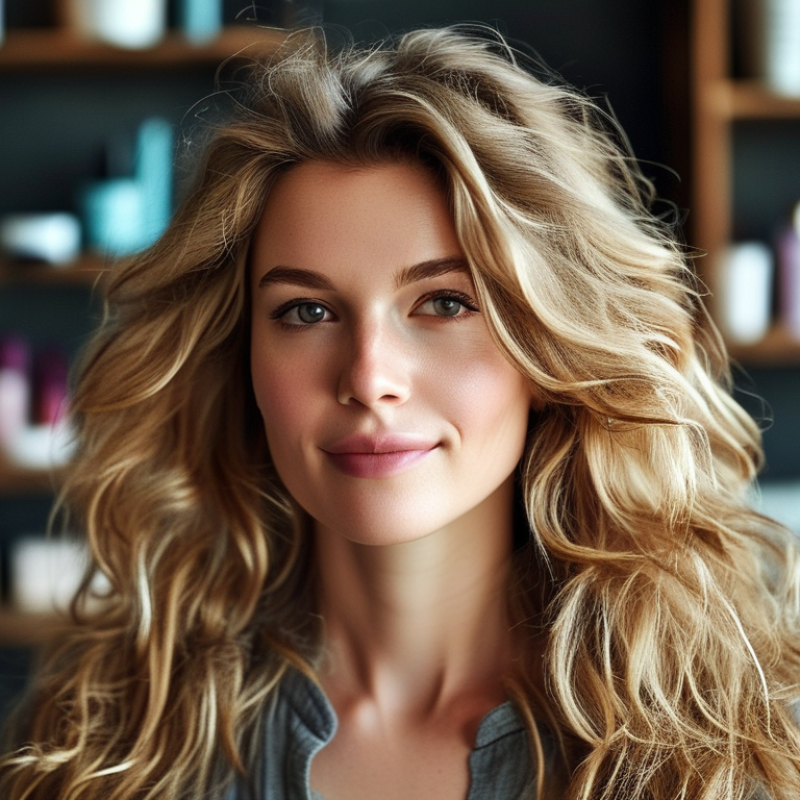
China Top 10 Hair Brands Why Hair Texture Changes Over Time?

What Defines Hair Texture and Why It Changes Over Time

China Top 10 Hair Brands: Why Hair Texture Changes Over Time?

What Defines Hair Texture and Why It Changes Over Time

Hair texture describes strand diameter, curl pattern, surface smoothness, and moisture behavior. It is not simply “straight” or “curly.” A strand can feel coarse yet remain fragile. Another may look fine but resist moisture.

The International Journal of Cosmetic Science reports that hair diameter and mechanical strength can change with age. A 2023 review in the International Journal of Trichology also links texture changes with reduced sebum, slower growth, and follicle changes. As oil production decreases, older hair may feel drier and rougher. Sun exposure, heat styling, chemical processing, and mineral-rich water can lift the cuticle. The result is visible: more frizz, uneven shine, and curls that lose definition.

Daily observation helps. Compare new growth near the scalp with older ends under the same light. Check whether the ends snap, feel rough, or absorb water quickly. The Cosmetic Ingredient Review notes that repeated chemical and thermal exposure can affect hair’s physical properties, although individual responses differ. Genetics, hormones, nutrition, medication, and climate also matter.

Texture is changeable.

The industry sometimes presents texture as fixed. That is an oversimplification. Product tests often use controlled conditions, while real hair meets humidity, friction, sweat, and hard water. Even professional measurements cannot predict every person’s result. A careful assessment should consider time, treatment history, scalp condition, and the strand’s current behavior—not a label alone.

China’s Top 10 Hair Brands and Their Product Categories

China’s ten leading hair brands cover a surprisingly broad product landscape. Their ranges commonly include cleansing shampoos, daily conditioners, repair masks, scalp treatments, leave-in sprays, styling creams, hair oils, coloring products, and professional salon formulas. Some focus on herbal-inspired care, while others develop lightweight products for oily roots and dry ends. This category variety reflects China’s diverse climate, water quality, and consumer habits.

In practical use, texture can change with age, stress, heat styling, and chemical processing. A once-smooth strand may feel rough after repeated coloring. Humidity can also make fine hair appear heavier or more tangled. Strong formulas are not always better. A rich mask may help bleached ends, but it can flatten untreated hair. Product selection should match porosity, scalp condition, and washing frequency. A strand test remains useful.

Market reviews show that leading Chinese brands increasingly combine laboratory testing with traditional botanical ingredients. However, “natural” does not automatically mean gentle or effective. Ingredient concentration, preservation, and testing methods still matter. I have found that results often depend on consistent use, not impressive packaging. Some products may need more transparent testing data. That is worth questioning. Consumers should compare ingredient lists, usage directions, and independent feedback before changing their routine.

China Top 10 Hair Brands: Why Hair Texture Changes Over Time?

China’s Top 10 Hair Brands and Their Product Categories — Anonymized category-level overview

Product Category Primary Function Common Texture Concern Why Texture May Change Over Time Relevant Product Features Evidence-Based Ingredient Examples
Daily Shampoo Removes sebum, sweat, pollution particles and styling residue from the scalp and hair. Oily roots, dry lengths, dullness or increased roughness. Sebum production, washing frequency, water quality, climate and scalp condition can change with age and lifestyle. Gentle cleansing Balanced pH Scalp-focused Mild surfactants, glycerin, panthenol and conditioning polymers.
Conditioner Improves wet combability, reduces friction and helps smooth the cuticle surface. Tangling, frizz, static and a coarse or dry feel. Repeated washing, ultraviolet exposure, heat and chemical treatments can increase cuticle wear and porosity. Slip-enhancing Anti-static Moisturizing Fatty alcohols, cationic conditioners, silicones and plant oils.
Hair Mask Provides a richer conditioning treatment for damaged, porous or very dry hair. Severe dryness, breakage, brittle ends and loss of softness. Long-term bleaching, perming, coloring and heat styling can reduce mechanical strength and moisture retention. Rich conditioning Damage care Weekly use Hydrolyzed proteins, amino acids, ceramides, fatty alcohols and emollient oils.
Leave-In Conditioner Provides lightweight conditioning and protection between washes. Flyaways, rough ends, frizz and poor manageability. Hair may become more porous over time, allowing moisture to enter and leave more rapidly in humid or dry conditions. Lightweight Detangling Humidity control Panthenol, cationic polymers, silicones and lightweight esters.
Scalp Treatment Supports scalp comfort and helps address dryness, excess oil or visible flaking. Itchiness, oil imbalance, flakes and changes in hair-root feel. Hormonal changes, stress, seasonal conditions and scalp disorders can affect oil production and hair growth cycles. Scalp care Non-greasy Soothing Niacinamide, panthenol, zinc salts and soothing botanical extracts.
Anti-Dandruff Care Helps control dandruff symptoms associated with scalp flaking and irritation. Visible flakes, scalp discomfort and oily or irritated roots. Dandruff can fluctuate with sebum levels, stress, weather and the activity of scalp microorganisms. Medicated option Flake control Scalp cleansing Regulated anti-dandruff actives may include ketoconazole, piroctone olamine or selenium sulfide, depending on local regulations.
Hair-Loss Support Targets the appearance and care needs of thinning or shedding hair. Reduced density, finer strands and less fullness at the roots. Age, genetics, hormonal shifts, illness, nutritional deficiencies and stress may influence the hair-growth cycle. Light texture Root care Volume support Caffeine and niacinamide are common cosmetic ingredients; persistent shedding requires professional evaluation.
Hair Oil and Serum Coats the fiber, improves shine and helps reduce the sensation of dryness and friction. Frizz, split-looking ends, lack of shine and rough texture. Damaged cuticles scatter light and create more friction, while humidity can cause the fiber to swell and become frizzy. Smoothing Shine-enhancing Anti-frizz Silicones, argan oil, coconut oil, jojoba oil and lightweight emollients.
Color-Protect Care Helps maintain cosmetic color appearance and supports softness after coloring services. Fading, dryness, porosity and weakened hair after chemical processing. Oxidative coloring can lift the cuticle and alter the internal structure of the fiber; sunlight and washing can accelerate fading. Low-stripping UV-conscious Repair-focused Acidic conditioning systems, antioxidants, film-formers and UV-protective ingredients.
Styling and Heat Protection Shapes hair while reducing the impact of blow-drying, straightening or curling. Loss of shape, heat damage, brittleness and increased frizz. Repeated high-temperature styling can remove moisture and weaken keratin structures, making hair feel rougher over time. Heat protection Flexible hold Frizz control Heat-protective polymers, silicones, hydrolyzed proteins and film-forming agents.

Note: Hair texture is influenced by genetics, age, hormones, scalp health, climate, water quality, chemical processing and heat exposure. This table presents general product categories and cosmetic-use information without identifying individual companies or brands.

Biological, Environmental, and Lifestyle Causes of Texture Changes

China Top 10 Hair Brands: Why Does Hair Texture Change Over Time?

Hair texture rarely changes for one reason. In salon consultations, I often see straight hair become wavier after puberty, pregnancy, or menopause. Hormonal shifts can alter follicle shape and oil production. Aging may also reduce moisture, making strands feel thinner, drier, or rougher. Gray hair often seems coarser because its surface can hold less natural oil. The change begins at the follicle, not inside the already-grown shaft.

Environment adds another layer. Humid air can expand the hair fiber and increase frizz. Strong sunlight may weaken the outer cuticle, especially on exposed partings. Hard water can leave mineral deposits that make hair feel stiff. Frequent coloring, bleaching, tight hairstyles, and high heat may create split ends and uneven texture. Lifestyle matters too. Prolonged stress, poor sleep, restrictive diets, and some health conditions can affect growth quality. These signs deserve professional assessment, not guesswork.

I once blamed dryness on shampoo alone. That was too simple. A better evaluation considers recent illness, medication, diet, water quality, and styling habits. Gentle cleansing, conditioner on the lengths, heat protection, and regular trims can reduce surface damage. Still, they cannot change the follicle’s biology. Sudden shedding, bald patches, or a rapid texture shift should be discussed with a dermatologist. Small details matter, including when the change began and whether the scalp also feels itchy, tender, or unusually oily.

How Hair Products and Treatments Influence Texture Over Time

Hair texture can change gradually as products and treatments alter the fiber’s surface. Frequent heat styling may lift the cuticle, leaving straight hair rougher or curls less defined. Chemical coloring, relaxing, or perming can also weaken internal bonds. The result may be dryness, frizz, reduced elasticity, or a different curl pattern. I have seen this after repeated blow-drying: the ends feel crisp, while new growth feels softer. Yet not every change comes from products. Hormones, age, climate, medication, and scalp health can influence texture too.

Tips: Use a gentle cleanser and apply conditioner from mid-length to ends. Limit high heat, and use a heat protectant every time. Detangle wet hair with a wide-tooth comb. Take monthly photos under similar lighting. A simple texture diary can reveal patterns that memory misses. Patch-test new products, and change one product at a time. If breakage, sudden shedding, or scalp irritation appears, consult a qualified dermatologist or hair professional.

Not every “repair” claim is permanent. Some formulas coat the surface and make hair feel smoother, but they cannot fully rebuild severely damaged fibers. Protein treatments may help porous hair, though too much can make it stiff. I have sometimes used rich masks too often and mistaken temporary softness for real recovery. Hair needs observation, not product overload. Evaluate texture after several washes, not just after one glossy result.

Comparing Brand Formulas for Different Hair Texture Needs

Hair texture can change with age, weather, hormones, heat styling, and chemical services. A straight strand may feel rough after repeated coloring, while curls can lose definition under heavy buildup. Hair is not static.

When comparing formulas from leading hair lines, focus on ingredient behavior rather than marketing claims. Lightweight formulas with humectants and water-based conditioners often suit fine, straight, or low-porosity hair. They can reduce static without flattening the roots. Wavy hair may need flexible polymers, aloe, and moderate oils for soft hold and movement. For curly and coily textures, richer creams, fatty alcohols, plant oils, and conditioning agents can improve slip and reduce friction. However, too much richness may leave low-porosity curls dull and coated. That happened to me once.

Read the label carefully. Protein-rich formulas may support weakened, over-processed strands, but frequent use can make some hair feel stiff. Silicone-based conditioners can improve shine and combability, especially after heat exposure, although buildup may require occasional cleansing. A professional stylist can assess porosity, elasticity, scalp condition, and recent treatments before recommending a routine. My own hair responded differently during winter, so one formula was not enough year-round. Patch testing and gradual product changes also make results easier to judge. Texture needs can shift before the bottle is empty.

Why Hair Texture Changes Over Time: Fiber Diameter and Formula Needs

Hair-fiber diameter is a major physical factor behind perceived texture. Fine fibers generally need lightweight cleansing and conditioning to reduce buildup, while coarse fibers often benefit from richer conditioning and film-forming ingredients. Aging, chemical processing, heat, weathering, and reduced sebum distribution can make the same hair feel drier, rougher, or more porous over time. The diameter bands shown are commonly used educational ranges rather than universal limits.

FAQS

: Why can hair texture change over time?

: Hormones, aging, illness, weather, and styling habits can change how hair feels and behaves. The follicle matters.

Can puberty, pregnancy, or menopause change hair texture?

Yes. Hormonal shifts may alter follicle shape, oil production, curl pattern, and dryness. Changes vary between people.

Why does gray hair often feel coarser?

Gray strands may hold less natural oil on their surface. They can feel dry, rough, or wiry.

How does the environment affect hair texture?

Humid air can increase frizz and expand the hair fiber. Hard water may leave mineral deposits, causing stiffness. Sun exposure can weaken exposed cuticles.

Can heat, coloring, or tight hairstyles create rough hair?

Yes. Frequent bleaching, coloring, high heat, and tight styles can cause breakage and split ends. The damage is visible.

Which formulas may suit fine or straight hair?

Lightweight, water-based conditioners and humectants may reduce static without flattening the roots. Use small amounts.

What ingredients may help curly or coily hair?

Rich creams, fatty alcohols, plant oils, and conditioning agents may improve slip and reduce friction. Too much richness can cause dull buildup.

Can protein or silicone-based formulas change hair texture?

Protein may support weakened strands, but frequent use can make some hair feel stiff. Silicone-based conditioners may improve shine and combing. Buildup remains possible.

When should a texture change receive professional attention?

Discuss sudden shedding, bald patches, or rapid texture changes with a dermatologist. Mention itching, tenderness, unusual oiliness, recent illness, medication, and diet.

Can one routine work throughout the year?

Not always. Winter dryness and summer humidity may require different products or amounts. I once blamed shampoo alone. That was incomplete.

Conclusion

Hair texture is shaped by the structure of the hair fiber, including its curl pattern, thickness, porosity, and moisture balance. The question “why does hair texture change over time” can be explained by a combination of biological, environmental, and lifestyle factors. Aging, hormonal changes, stress, diet, climate, pollution, heat styling, coloring, and chemical treatments may gradually affect how hair feels and behaves. Scalp health and daily care habits also influence softness, elasticity, shine, and manageability.

China’s top 10 hair brands represent a wide range of product categories, such as shampoos, conditioners, hair masks, scalp treatments, oils, and styling products. Their formulas are commonly developed for different needs, including dry, oily, damaged, fine, thick, straight, wavy, and curly hair. Moisturizing ingredients may help improve dryness, while strengthening and smoothing formulas can support damaged strands. However, frequent product buildup or aggressive treatments may change the hair’s appearance and texture over time, making balanced product selection and consistent care essential.

Mason

Mason

Mason is a seasoned marketing professional with a deep expertise in the company's offerings and a passion for driving brand awareness. With a strong background in digital marketing strategies, he has an innate ability to connect with diverse audiences and effectively communicate product benefits.......