Healthy-looking skin does not require a complicated shelf of products. It often depends on consistent, gentle habits that protect the skin barrier from morning to night. This guide explores how to keep skin glowing all day through practical care, sensible product choices, and realistic expectations.
A fresh appearance usually begins with a mild cleanser, followed by a moisturizer suited to your skin type. Broad-spectrum sunscreen is essential, even on cloudy days or during short outdoor trips. Reapply it when you spend extended time outside, sweat, or swim. Keep water nearby, but remember that drinking more water alone cannot replace effective skincare. Sleep, stress, climate, and nutrition can also influence how skin looks and feels.
Small details matter. Apply moisturizer while your skin is still slightly damp. Keep a clean towel near the sink. Avoid scrubbing when your face feels rough, because irritation can make dullness more noticeable. A dermatologist can help when persistent redness, itching, acne, or uneven pigmentation continues. Patch-test new products first, especially if your skin reacts easily.
Results take time. Usually.
Not every popular tip will suit every face, and that is worth admitting. Even a careful routine may need adjustment during dry winters, humid summers, or stressful weeks. Track what changes, rather than adding several products at once. With professional guidance and steady habits, a natural glow can become more achievable, comfortable, and reliable throughout the day.
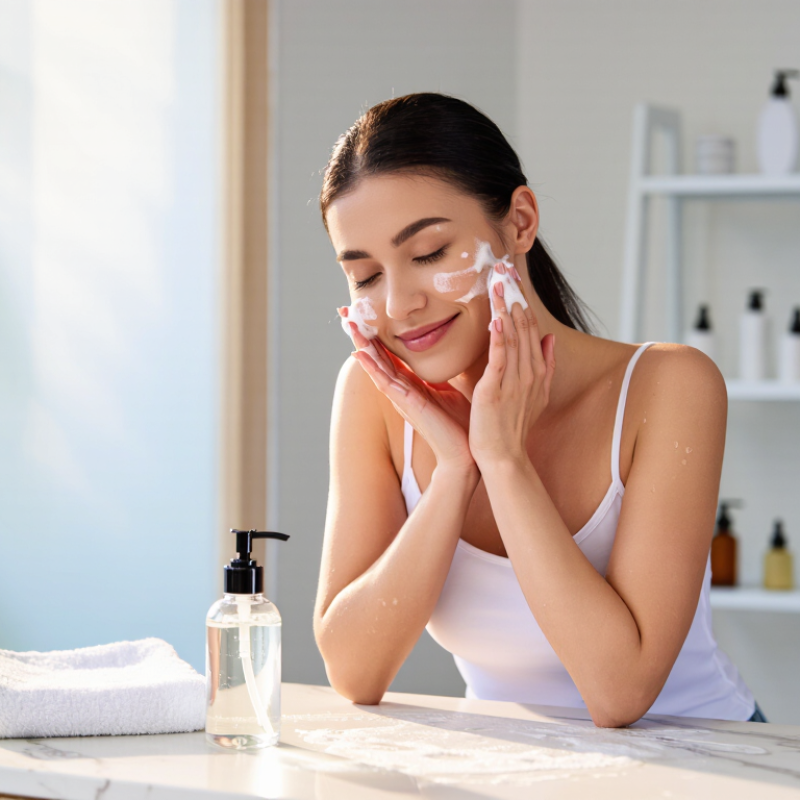
Top Tips for Keeping Skin Glowing All Day?
Understanding What Keeps Skin Glowing Throughout the Day
Skin that stays luminous is usually well-hydrated, protected, and gently cared for. The glow comes from light reflecting off a smooth surface, not from heavy oils. After washing, my skin feels tight when water is too hot. A lukewarm rinse works better. Clinical dermatology guidance supports gentle cleansing and regular moisturizing for the skin barrier. This barrier slows water loss and helps skin handle daily exposure.
Apply moisturizer while skin is slightly damp, ideally within a few minutes of cleansing. Look for humectants, emollients, and barrier-supporting ingredients, but patch-test unfamiliar formulas. In the morning, use broad-spectrum sunscreen and reapply after sweating or prolonged outdoor time. Clouds do not remove ultraviolet exposure. A hat and shade add practical protection. I used to chase instant brightness and exfoliate too often. The result was redness, not radiance. That mistake is worth remembering.
Sleep, water, and a balanced diet can support skin, though none creates overnight changes. Not an overnight trick. Persistent dullness, burning, or sudden changes deserve advice from a licensed dermatologist. Personal experience can suggest a routine, but it cannot diagnose a condition. Keep a simple log for two weeks. Note cleansing, products, sun exposure, and irritation. Then adjust one habit at a time. Skin often improves quietly.
Consistent sun protection, adequate sleep, and a balanced diet can help support healthy-looking skin throughout the day. The chart shows widely used daily or routine targets; the values use different units, which are displayed in each category label.
General guidance: use broad-spectrum sunscreen rated SPF 30 or higher, reapply approximately every 2 hours when outdoors, aim for at least 7 hours of sleep for adults, and consume about 400 g of fruits and vegetables daily.
Top Tips for Keeping Skin Glowing All Day?
Building a Simple Morning Skincare Routine
A simple morning routine can keep skin comfortable and fresh. Start by washing your face with lukewarm water and a gentle cleanser. Avoid scrubbing, especially if your skin feels tight or sensitive. Pat your face dry with a clean, soft towel. I used to wash too aggressively, thinking it removed more oil. It only left my skin feeling irritated.
Tips: Apply a light moisturizer while your skin is slightly damp. This helps reduce moisture loss during the day. Choose a broad-spectrum sunscreen with SPF 30 or higher. Use enough to cover your face, ears, and neck. Reapply when spending several hours outdoors, sweating, or wiping your face. Keep it gentle. Less can work.
Introduce one new product at a time. This makes it easier to notice redness, itching, or breakouts. Patch testing is sensible, although it cannot predict every reaction. Avoid piling on strong exfoliants and active ingredients each morning. Skin often needs consistency more than complexity. I still occasionally skip sunscreen on cloudy days, which is a habit I need to correct. If irritation continues, stop the product and consult a qualified dermatologist.
| Step | Product Category | How to Use | Suggested Timing | Main Benefit | Practical Tip |
|---|---|---|---|---|---|
| 1 | Gentle cleanser | Use lukewarm water and massage gently for about 20–30 seconds, then pat dry. | Immediately after waking | Removes overnight oil, sweat, and residue without excessive friction. | Dry or sensitive skin may need only water in the morning if a cleanser causes tightness. |
| 2 | Antioxidant serum, optional | Apply a thin layer to clean, dry skin and allow it to absorb before the next step. | After cleansing | Can help support protection against environmental oxidative stress. | Introduce one active product at a time and stop if persistent irritation develops. |
| 3 | Hydrating serum or essence, optional | Apply to slightly damp skin if the product instructions allow, using a light pressing motion. | Before moisturizer | Adds water-based hydration and may improve the temporary appearance of plumpness. | This step is not essential if a moisturizer already feels comfortable and hydrating. |
| 4 | Moisturizer | Smooth a comfortable, even layer over the face and neck. | After serums | Helps reduce water loss and supports the skin barrier. | Choose a lighter lotion or gel for oily skin and a richer cream for dry skin. |
| 5 | Broad-spectrum sunscreen | Apply generously to the face, ears, neck, and other exposed areas as the final skincare step. | Every morning | Helps protect against ultraviolet A and ultraviolet B radiation, which can contribute to premature skin aging and sunburn. | Use broad-spectrum SPF 30 or higher and follow the product’s application directions. |
| 6 | Sunscreen reapplication | Reapply after swimming, sweating, towel drying, or prolonged outdoor exposure. | At least every 2 hours outdoors | Maintains more consistent sun protection during extended exposure. | Use shade, protective clothing, and sunglasses in addition to sunscreen. |
| 7 | Daily habits | Avoid harsh scrubbing, keep hands clean before applying products, and maintain regular sleep and balanced nutrition. | Throughout the day | Reduces avoidable irritation and supports overall skin comfort. | Patch-test new products and seek professional advice for persistent redness, itching, pain, or severe breakouts. |
Routine order: cleanse → optional treatment → moisturize → sunscreen. Individual skin needs vary, so introduce new products gradually.
Choosing products that support long-lasting radiance starts with the skin barrier, not instant shine. A gentle cleanser should remove sweat and sunscreen without leaving the face tight. Look for humectants such as glycerin, which help attract water, then seal that comfort with barrier-supporting ingredients like ceramides. The American Academy of Dermatology recommends broad-spectrum, water-resistant sunscreen with SPF 30 or higher. Apply it generously every morning, including on cloudy days. Reapply every two hours outdoors, or after sweating and swimming. This step matters because the World Health Organization reported about 1.5 million non-melanoma skin cancer cases globally in 2020.
For visible brightness, consider a stable vitamin C product or a mild exfoliant containing lactic acid. Use one active at a time. A 2024 report from the International Dermal Institute emphasizes gradual introduction and barrier protection when using exfoliating ingredients. Start twice weekly, then observe redness, stinging, or unusual dryness. Stop if discomfort continues. Less can be more.
In real routines, skin rarely glows perfectly all day. Indoor heating, pollution, and frequent face touching can dull the surface by afternoon. A lightweight moisturizer under sunscreen may help, while blotting excess oil prevents repeated powder buildup. Patch-test new products on the jawline for several days. Even careful routines can fail when sleep, stress, or weather changes. That is worth noticing before adding another product.
Dryness often begins after a hot shower or a strong cleansing routine. Use lukewarm water and a gentle, fragrance-free cleanser. Pat your skin softly instead of rubbing it with a rough towel. Apply moisturizer while your skin remains slightly damp.
Ingredients such as glycerin, ceramides, and hyaluronic acid can support the skin barrier. Indoor heating may worsen tightness, so a clean humidifier can help.
I still forget this step on rushed mornings.
Daily stress can affect sleep, habits, and skin-picking behavior. Try a short walk, slower breathing, or five quiet minutes without a screen. Adequate sleep supports normal skin repair, although it cannot erase every concern.
Drink regularly, but do not expect extra water to solve persistent dryness.
If redness, itching, painful breakouts, or sudden changes continue, consult a qualified dermatologist. Personal routines need adjustment; what works during humid summer weather may fail in a cold, stressful week.
Top Tips for Keeping Skin Glowing All Day?
Maintaining Your Glow with Healthy Daily Habits
Healthy skin usually reflects consistent care, not a complicated routine. Wash gently in the morning and evening, using lukewarm water. Apply moisturizer while your skin is slightly damp. The American Academy of Dermatology recommends broad-spectrum, water-resistant sunscreen with SPF 30 or higher. Reapply outdoors, especially after sweating or swimming. Sun protection matters even on cloudy days.
Tips: Keep a small sunscreen tube near your keys. Add fruit, vegetables, and protein to regular meals. Drink water throughout the day, but do not expect water alone to transform dry skin. The CDC’s 2022 Behavioral Risk Factor Surveillance System reported that about 35% of U.S. adults slept under seven hours. Poor sleep can leave the face looking tired and may weaken healthy routines. Aim for a steady sleep schedule.
Avoid harsh scrubs and frequent product changes. A calm routine is easier to evaluate. I still forget sunscreen sometimes, especially during short errands. That habit needs correcting. Notice redness, persistent dryness, or new irritation, and stop any product that worsens it. A dermatologist can assess ongoing concerns more reliably than online advice. Be patient. Skin often needs several weeks to respond to steady habits.
Use lukewarm water and a gentle cleanser. Avoid scrubbing, especially when your skin feels tight or sensitive. Pat dry with a clean, soft towel. I once washed too aggressively and caused irritation.
Apply a lightweight moisturizer while your skin remains slightly damp. This can help reduce moisture loss during the day. Choose ingredients such as glycerin or ceramides. Too much product may feel heavy.
Use broad-spectrum, water-resistant sunscreen with SPF 30 or higher. Cover your face, ears, and neck generously. Reapply every two hours outdoors, or after sweating and swimming. Cloudy skies still allow damaging ultraviolet rays through.
It is better not to skip it. Clouds do not block all ultraviolet exposure. I still forget during short errands sometimes. That habit needs correcting.
Introduce one new product at a time. Patch-test it along your jawline for several days. Watch for redness, itching, stinging, or breakouts. Patch testing helps, but it cannot predict every reaction.
Start with a mild exfoliant twice weekly. Avoid combining several strong active ingredients in one morning. Reduce use if your skin becomes dry or uncomfortable. Sometimes, less really works better.
Keep a steady sleep schedule and drink water throughout the day. Include fruit, vegetables, and protein in regular meals. Keep a small sunscreen tube near your keys. Water alone will not transform dry skin.
Stop using the product if discomfort continues or worsens. Notice persistent redness, dryness, itching, or new breakouts. Do not add another product immediately. A qualified dermatologist can assess ongoing concerns more reliably.
Keeping your skin radiant from morning to evening begins with understanding what it needs: steady hydration, gentle care, and protection from everyday environmental stress. A simple morning routine can include cleansing without stripping the skin, applying a lightweight moisturizer, and finishing with broad-spectrum sun protection. Learning how to keep skin glowing all day also means choosing products that support the skin barrier, maintain moisture, and provide a comfortable, healthy-looking finish without overwhelming the skin.
Daily habits are just as important as skincare products. Drink enough water, eat a balanced variety of nutrient-rich foods, get sufficient sleep, and avoid constantly touching your face. Reapply sun protection when needed, especially during extended outdoor activities, and use soothing hydration when dry air makes skin feel tight. By combining consistent skincare with healthy lifestyle choices, you can help maintain a fresh, smooth, and natural glow throughout the day.

Aura Beauty