China Best Skincare How To Improve Skin Hydration Naturally?

Time:2026-09-21 Author:Sienna
0%

How to improve skin hydration naturally begins with a simple truth: hydrated skin needs water and protection. It is not created by drinking endless glasses of water alone. The outer skin barrier must also reduce moisture loss.

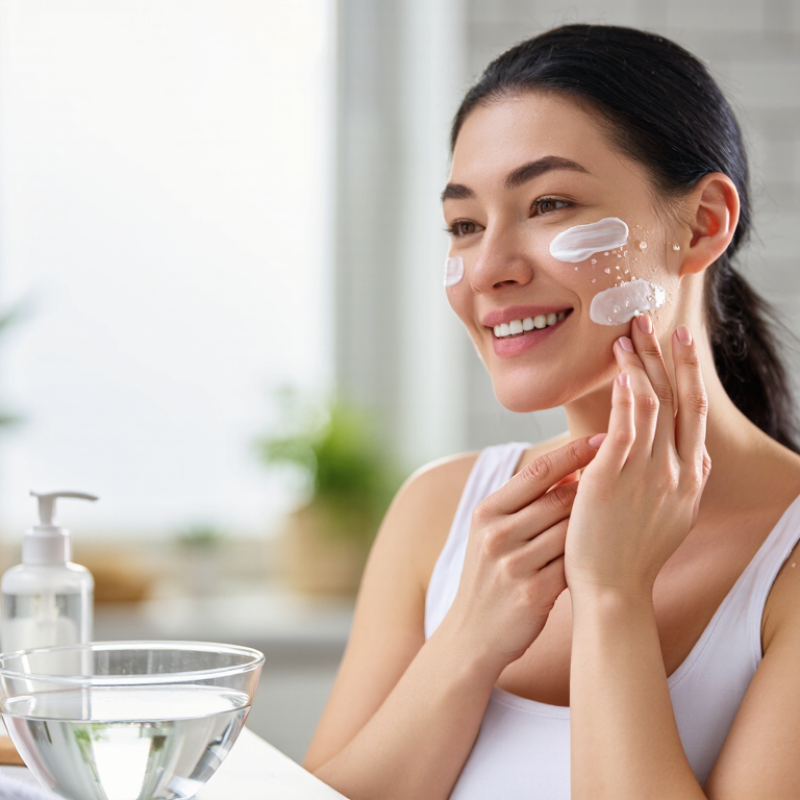
The American Academy of Dermatology recommends short, warm showers and applying moisturizer while skin remains damp. This small habit can matter. Think of three drops resting on the cheek after cleansing, instead of tightness appearing minutes later. Ceramides, glycerin, hyaluronic acid, and petrolatum are widely recognized ingredients for supporting moisture retention. However, natural does not always mean safer or more effective. Fragrance and essential oils may irritate sensitive skin.

Euromonitor International’s 2024 beauty and personal care research highlights continued consumer interest in wellness-led and ingredient-conscious skincare. Grand View Research also reports sustained growth in the global skincare market, reflecting stronger demand for barrier-supporting products. These reports describe market behavior, not medical proof. That distinction matters.

Dermatologist Dr. Hadley King explains, “Hydration is about increasing water content, while moisturization is about reducing water loss.” Her statement offers a practical framework for choosing products and habits. Use a gentle cleanser, moisturize damp skin, and protect exposed areas from harsh weather. A humidifier may help during dry winter nights, but results vary.

Some advice remains imperfect. Drinking more water may not transform visibly dry skin without barrier care. Persistent itching, cracking, or redness deserves professional evaluation. This guide explores how to improve skin hydration naturally through realistic routines, evidence-informed ingredients, and careful self-observation.
China Best Skincare How To Improve Skin Hydration Naturally?

Understanding Skin Hydration and Its Importance

Healthy skin hydration is more than drinking extra water. It describes how well the outer skin layer holds water and protects against moisture loss. This layer contains natural oils, lipids, and humectants. Together, they support a flexible and comfortable surface. When the barrier weakens, skin may feel tight, rough, itchy, or unusually sensitive. Cold wind, hot showers, harsh cleansers, and dry indoor air can increase water loss.

A simple routine often works better than complicated layering. Cleanse with lukewarm water and a gentle, fragrance-free formula. Apply moisturizer while the skin is still slightly damp. Ingredients such as glycerin and hyaluronic acid attract water. Ceramides and plant oils help support the barrier. Occlusive ingredients can reduce evaporation, especially overnight. Small changes matter.

I have noticed that people often blame dehydration for every dry patch. That assumption is not always correct. Persistent redness, scaling, or burning may suggest eczema, allergy, or another condition. A qualified dermatologist can assess these symptoms. Drinking adequate fluids supports general health, but it cannot replace topical care. Skin also responds differently across seasons and ages. Patch testing is sensible, even with familiar ingredients. My own routine became gentler after I realized that “squeaky clean” skin was actually uncomfortable skin. Hydration should feel calm, not heavy.

Natural Factors That Affect Skin Moisture Levels

China Best Skincare: How to Improve Skin Hydration Naturally?

Natural moisture depends on more than skincare products. The outer skin layer usually contains about 10–20% water, according to professional dermatology resource DermNet NZ. Cold air, wind, indoor heating, hot showers, and low humidity can reduce this level. The U.S. Environmental Protection Agency recommends indoor humidity between 30% and 50%. This range may help limit excessive dryness and irritation. I once blamed every dry patch on my cleanser. That was too simple.

Age, hormones, sleep, stress, and diet also influence the skin barrier. Drinking enough water supports normal body function, but extra water does not automatically create dewy skin. A balanced diet with vegetables, fruit, protein, and essential fats is more practical. Skin may feel tight after a long shower because hot water removes surface lipids. Scrubbing harder often makes the problem worse. My own routine improved after shorter showers, although results were not immediate.

Tips: Keep showers warm, not hot, and limit them to five or ten minutes. Apply a fragrance-free moisturizer while skin remains slightly damp. Use a humidifier during dry seasons, but clean it regularly. Wear soft, breathable fabrics in windy weather. If redness, cracking, or itching persists, consult a qualified dermatologist. Natural care is useful, but it is not a perfect formula.

Natural Factors That Affect Skin Moisture Levels

Estimated relative change in transepidermal water loss (TEWL) compared with a moderate indoor environment. Positive values indicate greater moisture loss; negative values indicate lower moisture loss.

Low humidity, hot water, wind, ultraviolet exposure, and aging can weaken the skin barrier or increase water evaporation. Maintaining moderate humidity, using lukewarm water, protecting skin from the sun, and applying a moisturizer after bathing may help support hydration.

Daily Habits to Improve Skin Hydration Naturally

China Best Skincare: How To Improve Skin Hydration Naturally?

Daily habits can support hydrated, comfortable skin without complicated routines. Start with lukewarm water, not hot water, when washing your face. Hot water can remove surface oils and leave tightness behind. Use a gentle cleanser only when needed, especially in the morning. Keep it simple.

Drink regularly throughout the day. Water supports normal body function, but drinking extra water does not instantly plump dry skin. A balanced diet also matters. Soups, fruit, vegetables, eggs, and healthy fats can support overall nutrition. I keep water near my desk because I often forget it. Small changes help.

Moisturize while your skin is slightly damp. Look for simple formulas with glycerin, ceramides, or hyaluronic acid. Apply sunscreen during daylight, since repeated sun exposure can weaken the skin barrier. Keep indoor air from becoming extremely dry, especially during colder months. A clean humidifier may help, but it needs regular maintenance.

Sleep and stress deserve attention too. Skin does not always improve on a perfect schedule. Mine can still feel dry after careful care. That is worth noticing, not hiding. If flaking, burning, or persistent redness continues, consult a qualified dermatologist. They can check for conditions that daily hydration habits cannot solve.

Choosing the Best Skincare Ingredients for Hydrated Skin

China Best Skincare: How to Improve Skin Hydration Naturally?

Choosing effective ingredients matters more than chasing a glossy finish. I once equated shine with hydration. That was a mistake. Real hydration depends on water-binding humectants, barrier-supporting lipids, and reduced water loss. Glycerin, hyaluronic acid, panthenol, and low-level urea can attract water into the outer skin layer. Ceramides and fatty acids help reinforce the barrier. Niacinamide may also support barrier function, but sensitive skin can react to higher concentrations.

Natural does not always mean gentler. Aloe, oat extracts, and plant-derived sugars may feel soothing, yet fragrance-rich botanicals can irritate compromised skin. Patch-test anyway. Apply a simple hydrating product to slightly damp skin, then seal it with a suitable cream.

A 2023 review in the Journal of Cosmetic Dermatology linked humectants and barrier lipids with improved skin moisture and reduced transepidermal water loss. However, results vary with climate, cleansing habits, and skin condition.

The market reflects strong consumer interest in this area. Grand View Research estimated the global skincare market at about USD 155.7 billion in 2023. Cosmetics Europe reported European cosmetics sales of approximately €88 billion in 2023. These figures show demand, not proof of product quality. Ingredient lists still require careful reading. Avoid assuming a higher price means better hydration. Less can work. Oversized claims deserve skepticism, especially when a product offers “instant” moisture without explaining its barrier support.

Building a China-Inspired Hydration Skincare Routine

Building a China-Inspired Hydration Skincare Routine

A China-inspired routine can focus on balance, gentle layers, and consistent care. Traditional habits often value moderation, while modern skin science adds useful structure. Start with lukewarm water and a mild cleanser at night. In the morning, rinsing may be enough for dry or sensitive skin. Pat your face gently until it feels slightly damp. Apply a simple humectant serum containing glycerin or hyaluronic acid. These ingredients attract water, but they cannot repair a weakened barrier alone. Follow with a fragrance-free moisturizer to reduce water loss. Use broad-spectrum sunscreen during daylight.

Tips: Keep the routine small. Patch-test new products first. Drink water regularly, but do not expect drinking alone to hydrate dry skin. A humidifier may help during dry winters, especially beside a heated bed. Avoid very hot water, harsh scrubs, and frequent facial steaming. They can leave skin tight and irritated. Green tea compresses may feel soothing, yet natural does not always mean suitable. Stop if burning, swelling, or persistent redness appears. My own routine is not perfect. Some evenings, I cleanse quickly and forget the second layer. That is a useful reminder: consistency matters more than collecting many products. If flaking continues, seek advice from a qualified dermatologist, since eczema or other conditions may need professional care.

FAQS

What environmental conditions can reduce skin moisture?

Cold air, wind, indoor heating, and low humidity can increase dryness. Indoor humidity between 30% and 50% may feel more comfortable. Not always.

Can hot showers make dry skin worse?

Yes, very hot water may remove surface lipids and leave skin feeling tight. Keep showers warm and limit them to five or ten minutes. Shorter showers helped me, but not immediately.

Should moisturizer be applied to completely dry skin?

Apply a fragrance-free moisturizer while skin remains slightly damp. This can help reduce water loss after washing. Pat gently first.

Does drinking more water automatically create dewy skin?

No, drinking water supports normal body function but does not guarantee visibly hydrated skin. Regular hydration and balanced meals are more realistic. Water alone is not magic.

Which foods may support normal skin function?

Include vegetables, fruit, protein, and essential fats in regular meals. A balanced diet is more practical than relying on one food. Results may vary.

What could a simple hydration routine include?

Use lukewarm water and a mild cleanser at night. A morning rinse may suit dry or sensitive skin. Apply a humectant serum, then a fragrance-free moisturizer. Use broad-spectrum sunscreen during daylight.

Can natural methods always soothe irritated skin?

No, natural ingredients may still cause burning, swelling, or redness. Stop using them if irritation appears. Natural does not mean suitable.

When should someone seek professional skin advice?

Consult a qualified dermatologist if redness, cracking, itching, or flaking persists. These signs may involve conditions needing professional care. Do not keep experimenting endlessly.

Conclusion

Healthy, hydrated skin depends on a strong moisture barrier that helps retain water, maintain softness, and protect against environmental stress. Factors such as dry weather, hot showers, excessive cleansing, poor sleep, stress, and insufficient fluid intake can reduce skin moisture levels. Learning how to improve skin hydration naturally begins with simple daily habits: drink water regularly, eat water-rich foods, use gentle cleansing methods, avoid very hot water, and apply moisturizer while the skin is still slightly damp.

A balanced skincare routine can include soothing and moisture-supporting ingredients such as glycerin, hyaluronic acid, ceramides, aloe vera, and plant-based oils suited to your skin type. A China-inspired approach may emphasize consistency, simplicity, mindful self-care, and gentle techniques rather than using too many products. Cleanse softly, hydrate in layers, moisturize, and protect the skin from sun and harsh weather. With patience and regular care, these habits can help improve comfort, suppleness, and a healthy-looking glow naturally.

Sienna

Sienna

Sienna is a skilled marketing professional with a deep expertise in our company’s core products and services. With a passion for innovation and detail, she plays a pivotal role in crafting insightful blog posts that not only highlight the unique features of our offerings but also provide valuable......